
Nigeria’s Most Trusted
Agricultural Commodity Intelligence Platform
Real-time verified agricultural commodity prices, weather intelligence, climate insights, and market trends across Nigeria — helping farmers, traders, processors, exporters, and investors make smarter decisions daily.
📈 Market Highlights
Updated Today29°C
⛅ Partly CloudyNigeria Commodity Price Index
Real-time transparency between farmer prices and market prices across Nigeria’s geo-political zones.
Geo-Political Zones
Compare commodity spreads across Nigeria
Average Margin
₦0
Highest Spread
-
Most Fair Pricing
-
Market Status
Live Updates
All Regions
Farmer vs retail market comparison
🌾 Commodity Price Insights
Real-time market pricing across Nigerian states
📈 Nigeria Inflation Trend (2026)
Monthly inflation movement and economic pressure indicator
Latest Inflation
-
Average (YTD)
-
Trend
-
Live Spot-Prices
Serves live-spot, accurate and timely data
Big Data Analysis
Performs big data analysis to help shape the policies of the sector
De-risking Agriculture
De-risking agriculture for a suitable career in the sector
Multi-Crop Simulation Dashboard
🌾 Farm Portfolio Simulator
| Crop | Land (Ha) | Yield/Ha | Price/Ton | Production Cost | Revenue | Profit |
|---|---|---|---|---|---|---|
| ₦0 | ₦0 |
📊 Commodity Price Intelligence (2026)
Regional price trends across key staple commodities
Learn Modern Agriculture With Practical Guides & Real Insights
Explore high-quality agricultural guides created to help farmers, agribusiness owners, traders and investors make smarter decisions, improve productivity and grow sustainable agricultural businesses.
Nigeria’s Top Grain Market Prices
Monitor commodity price movements, wholesale grain costs and agricultural market intelligence across Nigeria.
| Commodity | Current Price | Previous Price | Market Change | 50kg Bag Price |
|---|
Powering Nigeria’s Economy Through Agriculture — Over 30 Million Hectares Cultivated Annually, Supporting Millions of Livelihoods
Agriculture remains the backbone of Nigeria’s economy, contributing billions annually while providing employment for over 70% of the population. At Commodity.ng, we leverage technology, data, and market intelligence to transform how agriculture works across the country.
Learn More →Live Spot Pricing
Real-time commodity prices across major Nigerian markets.
Historical Data
Track trends and make informed decisions using data insights.
Agro Commodity Coverage
Access pricing for 50+ agricultural commodities nationwide.
Nationwide Reach
Data and insights covering all 36 states in Nigeria.
Advanced Analytics
Smart tools for forecasting, pricing, and decision-making.
Developer API
Integrate commodity data directly into your platforms.
Nigeria Cost of Living Intelligence
Monitor food prices, fuel costs, salaries, and inflation trends across Nigeria from 2015–2026 with regional insights and economic intelligence.
Our Services
We provide accurate, historic, and real-time agricultural commodity data across all 36 states and the FCT of Nigeria, helping farmers, traders, consumers and investors make better decisions.
Collect Data
Precision-driven agricultural data gathering across markets and regions.
Analyze Data
Turning raw commodity data into actionable insights and trends.
Share Data
Delivering reliable agricultural intelligence to farmers and stakeholders.
How can I improve maize yield during dry season farming in Northern Nigeria?
Use drought-resistant seed varieties, apply balanced NPK fertilizer, maintain proper plant spacing, implement early weed control, and adopt climate-smart irrigation techniques.
📊 Nigeria Commodity Intelligence Dashboard
Commodity prices vs inflation trends (2015–2026) — powered by live economic modeling
We began as a group of farmers coming together to voice out our problems with the farming sector in Nigeria and extortion by middlemen. This movement gave birth to commodity.ng.
Since 2017, we have built a system that delivers transparent commodity pricing, market intelligence, and agricultural insights across Nigeria and beyond — empowering farmers, traders, and investors.
Read More →
Quick Farming Answers
For Modern Nigerian Agriculture
Nigeria’s agricultural system is highly diverse, and crop performance depends on ecological zones. Cassava production alone exceeds 60 million metric tons annually, making it the most dominant staple crop in the country.
Maize production stands at about 10–12 million metric tons per year, while rice production exceeds 8 million metric tons. Despite this, demand still surpasses supply, creating strong investment opportunities.
Northern Nigeria receives between 500–1200mm rainfall, favoring millet and sorghum, while southern Nigeria receives 1500–3000mm rainfall, supporting cassava, rice, and oil palm.
The best crop is therefore not universal but location-based. Farmers who align crops with climate conditions and market demand achieve higher yields and income stability.
Yes. Over 70% of Nigeria’s food production comes from smallholder farmers, proving that agriculture is accessible even with limited capital.
Vegetables like spinach, pepper, and tomatoes mature in 3–8 weeks, while broiler poultry reaches market size in 6–8 weeks, making them ideal for beginners.
Agriculture contributes about 23–25% of Nigeria’s GDP, meaning even small-scale farmers operate within a very large and active economy.
In southern Nigeria, planting begins between March–April due to early rainfall. In northern Nigeria, planting begins between May–June due to delayed rainfall patterns.
Proper timing can increase yields by up to 30–40%, especially for maize and rice crops.
Climate variability is increasing, so farmers are advised to follow weather forecasts and adopt climate-smart farming practices.
Nigeria has a population of over 220 million people, creating one of the largest food markets in Africa.
Agriculture contributes about 24% of GDP, making it one of the most important sectors in the economy.
Value addition increases profits significantly. Cassava processing can improve value by 200–300% compared to raw sales.
Latest News
Stay updated with insights, trends, and innovations shaping agriculture and commodity markets in Nigeria.

How to Start Grasscutter Farming in Nigeria
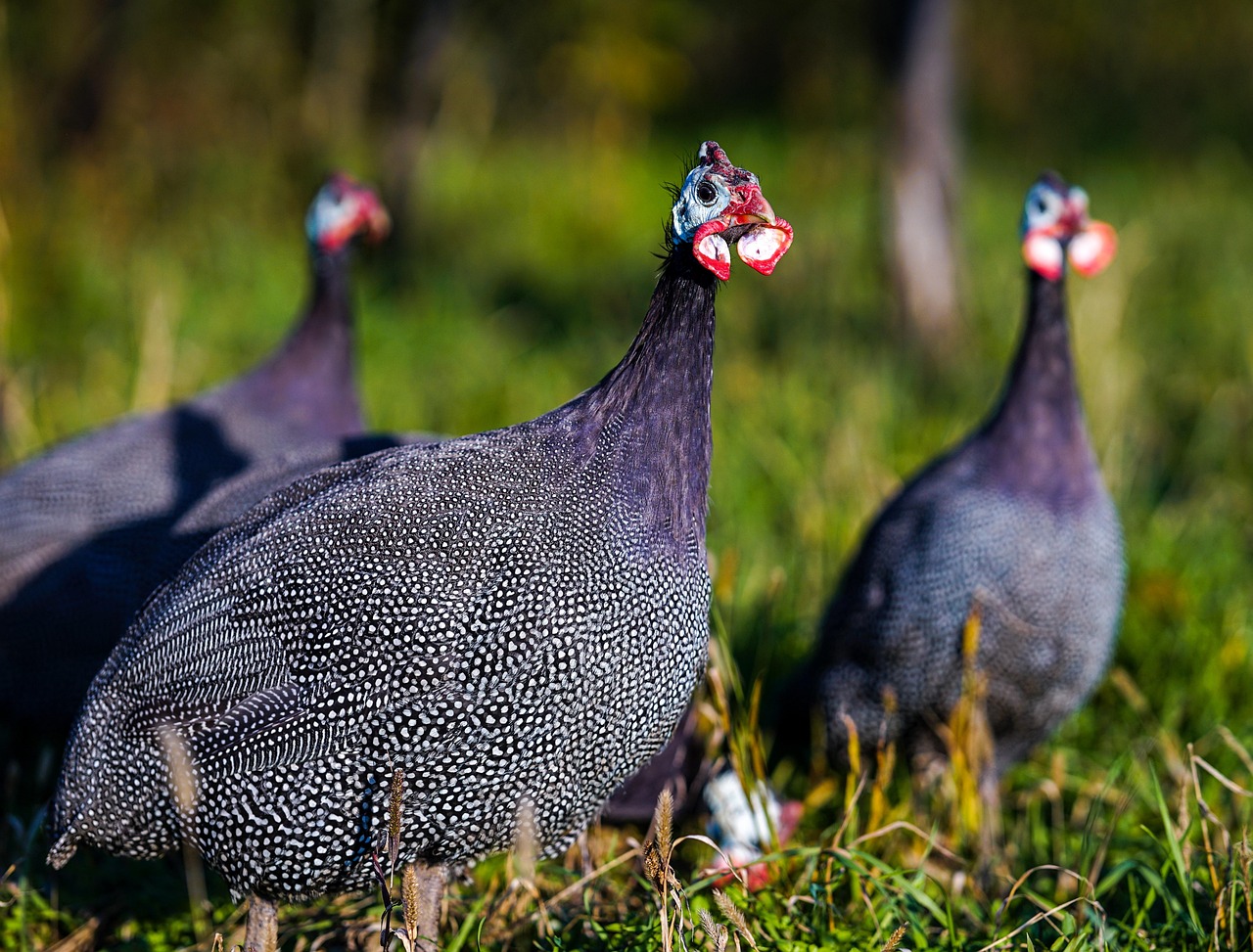
How to Start Guinea Fowl Farming in Nigeria
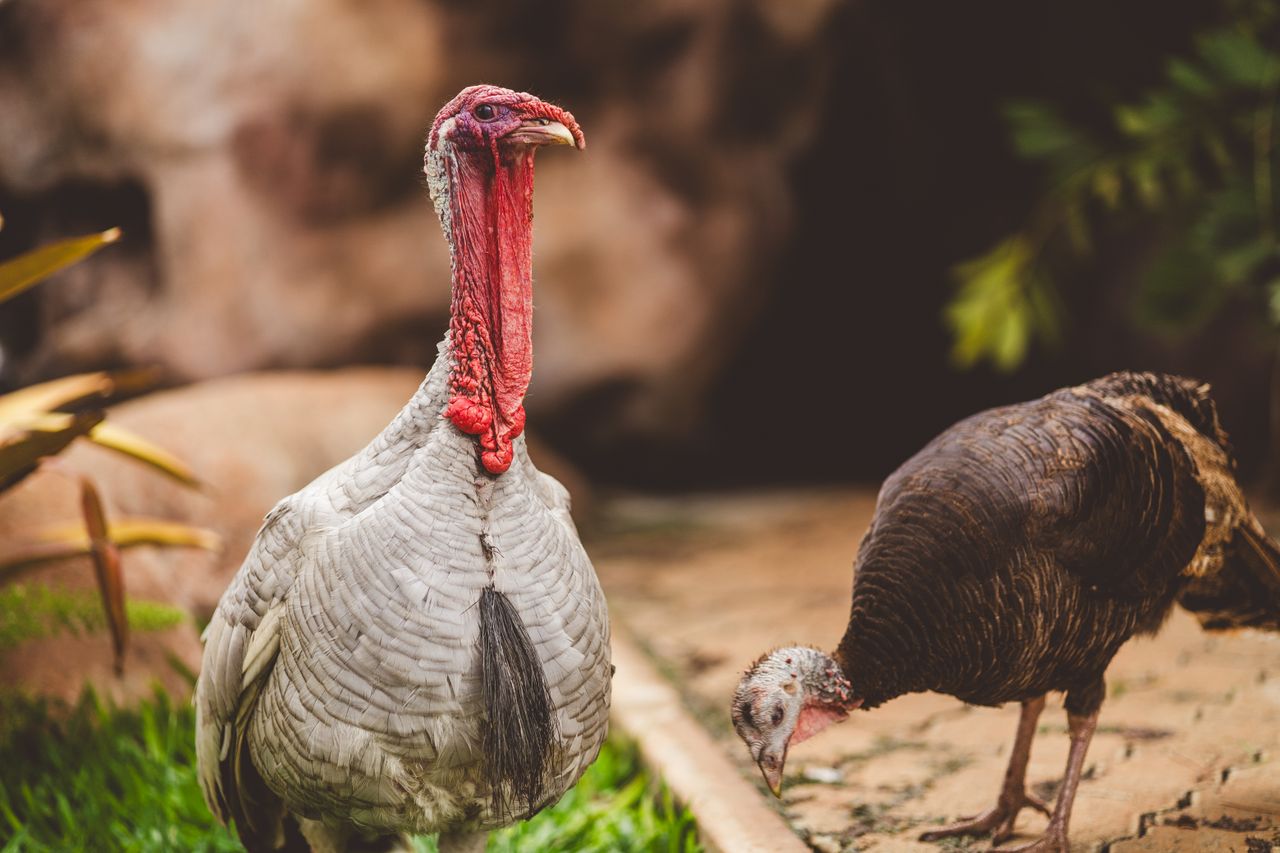
How to Start Turkey Farming in Nigeria
Commodity.ng's Global Reach
Connecting investors, traders, exporters, policymakers and agribusiness leaders across Africa and global markets.
1,247
Visitors Today42
Countries Reached127
Cities Active4m 23s
Avg. EngagementReading Commodity Market Intelligence
Viewing Export Opportunities
Tracking Commodity Prices
Reading Rice Market Outlook
