
Top 10 Grains in Nigeria.
An expert‑level guide covering production, nutrition, markets, export contexts, and economic opportunities for Nigeria’s principal grains.
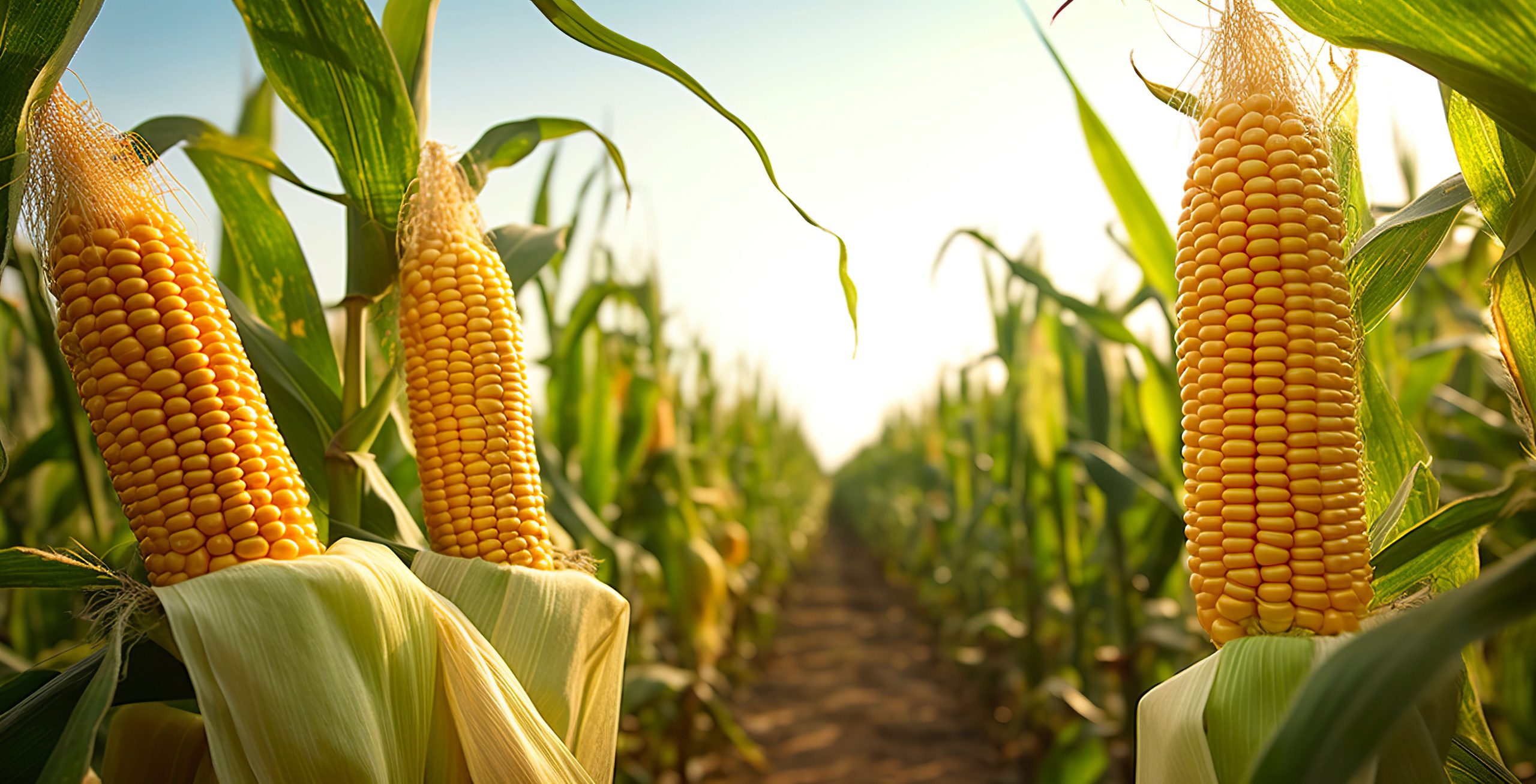 1. Maize (Corn)
Main Uses: Food & livestock feed
Harvest: Sep – Nov
Nutrition: Carbohydrates and energy
Major Regions: Kaduna, Kano
Overview: Maize is Nigeria’s most widely cultivated cereal grain, supporting both food systems and commercial livestock feed. Its adaptability to multiple agroecological zones makes it indispensable in smallholder and commercial agriculture.
Nigeria uses maize for a wide range of food products including porridges, dough dishes, snacks, and processed forms like grits and corn flour. Its industrial applications span starch production, sweeteners, and even bioethanol, making maize a strategic crop for bioindustrial growth.
Its role in the poultry and livestock feed sectors underscores its economic importance. Demand for maize grain is sustained by poultry feed manufacturers, food processors, and urban markets.
Production & Regions
Kaduna, Kano, Benue, Nasarawa, Kwara, Taraba, and Niger states are leading producers. However, productivity gaps persist due to irregular rainfall, limited access to quality inputs, and fragmented markets.
Uses & Processing
Aside from traditional consumption, maize is processed into flours, industrial grits, and ingredients for baked and snack products. Mechanized milling has expanded in urban centres.
Market & Economics
Maize prices reflect seasonal harvests, transport costs, feed sector demand, and currency shifts. Poor storage increases post‑harvest losses, affecting profitability for smallholders.
Export & Opportunities
Regional demand from neighbouring West African countries presents export potential. Investments in storage and processing could increase export revenues.
Market Prices (per 50 kg bag)
| Grain | Price Range (₦) |
|---|---|
| Maize (50 kg bag) | ₦20,000 – ₦30,000 |
 2. Rice
Main Uses: Staple food
Harvest: Oct – Feb
Nutrition: High energy and satiety
Major Regions: Kebbi, Ebonyi
Overview: Rice is a dietary staple for millions of Nigerians and features in national cuisine across regions. Consumption has risen with urbanisation, making rice one of the most demanded grains economically.
Rice categories include upland, lowland, and irrigated rice. Each category suits specific ecological conditions. Improving irrigation and adopting high‑yield varieties have boosted output in many states.
Local parboiled rice has strong domestic demand due to taste preference and longer shelf life. The milling and distribution sector plays a key role in ensuring quality and availability in urban markets.
Production & Regions
Major producing states are Kebbi, Ebonyi, Kano, Jigawa, Niger, and Lagos. Irrigation schemes and government extension services support production expansion.
Uses & Cuisine
Rice is used in everyday meals such as boiled rice, jollof rice, fried rice, and snacks made from rice flour. Value‑added rice foods support vibrant food markets.
Market & Economics
Rice prices are influenced by harvest yields, processing capacities, and import policies. Milling infrastructure impacts both price and quality.
Export & Opportunities
Regional exports are growing, particularly to West African neighbours. Quality branding could raise Nigeria’s profile in global markets.
Market Prices (per 50 kg bag)
| Grain | Price Range (₦) |
|---|---|
| Rice (50 kg bag) | ₦35,000 – ₦50,000 |
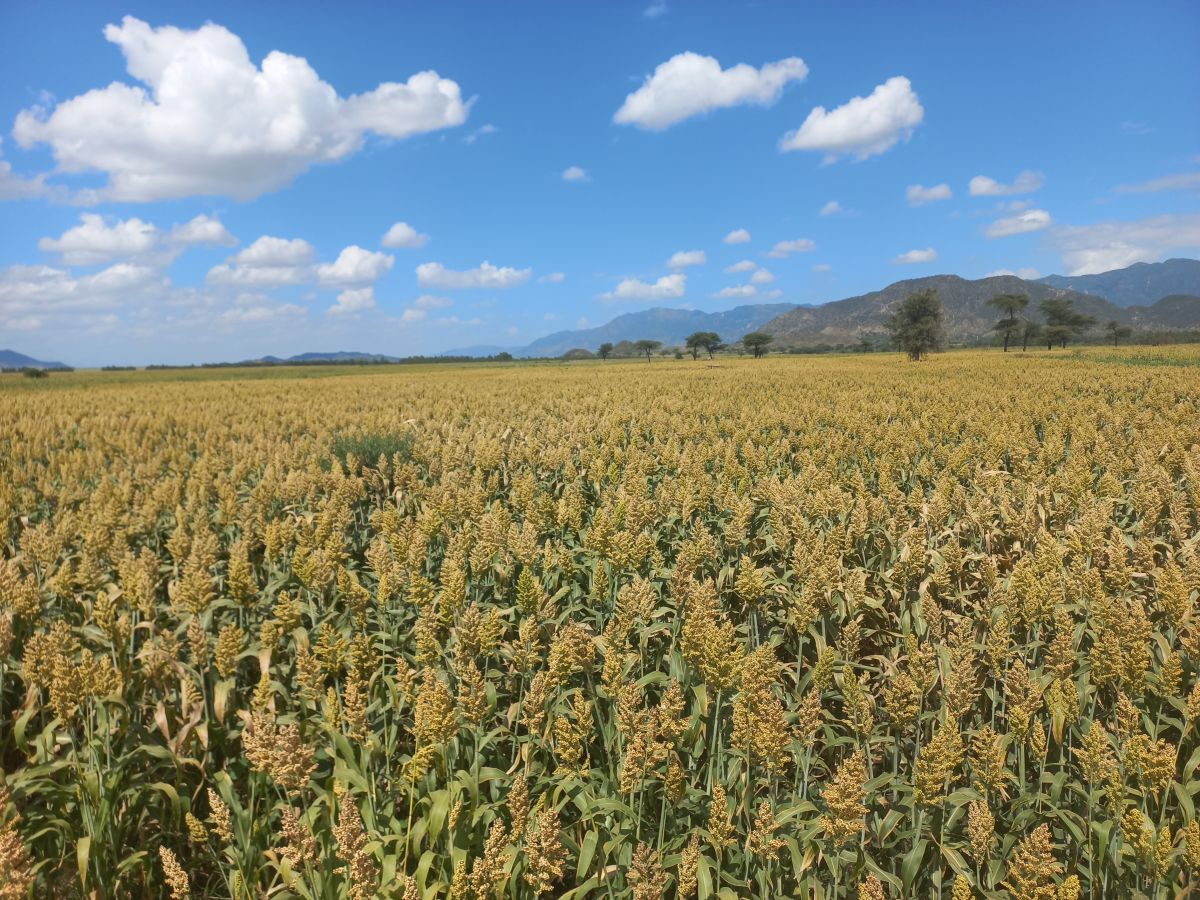
 3. Sorghum
Main Uses: Food, animal feed, brewing
Harvest: Sep – Dec
Nutrition: Energy and dietary fiber
Major Regions: Kano, Katsina
Overview: Sorghum is a drought‑resistant cereal vital in semi-arid northern Nigeria. It is versatile for human consumption, livestock feed, and local brewing. Its resilience to erratic rainfall makes it a strategic crop for food security.
Sorghum is processed into porridge, flatbreads, and fermented beverages. Local breweries use sorghum as a base for traditional beers, contributing to rural economies. Its nutritional profile supports both human health and livestock growth.
Production & Regions
Kano, Katsina, Bauchi, Borno, and Yobe lead production. Improved seed varieties and mechanized farming remain limited but show promise.
Market & Economics
Demand comes from brewing, livestock feed, and traditional foods. Price stability is influenced by rainfall, storage, and processing infrastructure.
Export & Opportunities
Potential exists in gluten-free, health-conscious markets abroad. Sorghum-based snacks and beverages can open export channels.
Market Prices (per 50 kg bag)
| Grain | Price Range (₦) |
|---|---|
| Sorghum (50 kg bag) | ₦25,000 – ₦35,000 |
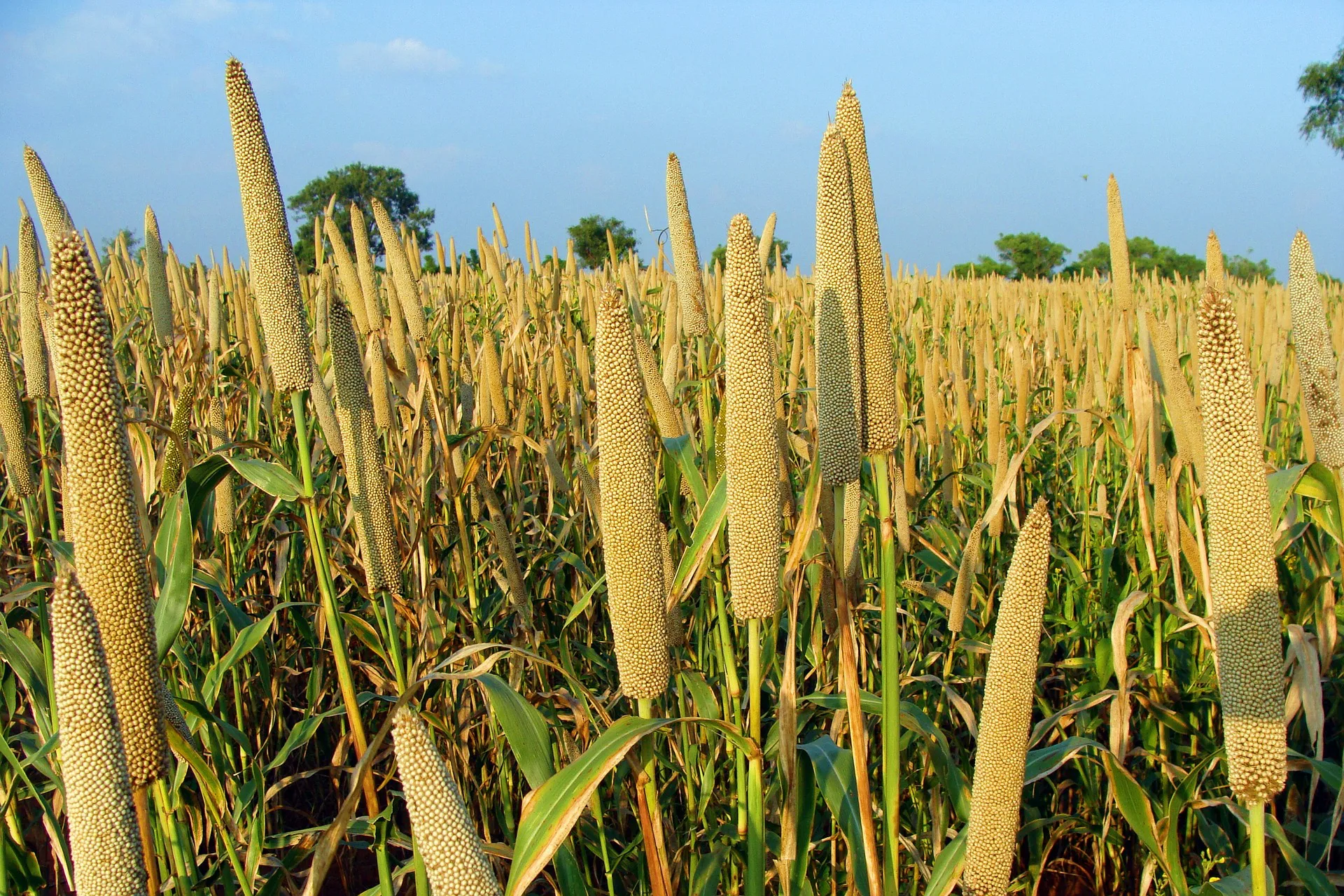
 4. Millet
Main Uses: Traditional foods & beverages
Harvest: Sep – Nov
Nutrition: Iron, magnesium, fiber
Major Regions: Kano, Jigawa
Overview: Millet is a highly drought-tolerant cereal central to northern Nigeria's diet. It is used in porridge, couscous, flatbreads, and fermented beverages.
Millet is crucial for food security in dry zones where other cereals fail. Its cultivation supports smallholders and maintains soil health with low input requirements.
Production & Regions
Kano, Jigawa, Sokoto, and Bauchi dominate production. Traditional methods prevail, although mechanization is slowly increasing.
Market & Economics
Prices are stable locally, fluctuating with seasonal yields. Millet is largely consumed domestically but has growing potential in health-food sectors.
Export & Opportunities
Export opportunities are emerging for organic and gluten-free products, particularly in Europe and North America.
Market Prices (per 50 kg bag)
| Grain | Price Range (₦) |
|---|---|
| Millet (50 kg bag) | ₦22,000 – ₦30,000 |
 5. Wheat
Main Uses: Bread, pastries, pasta
Harvest: Apr – Jun
Nutrition: Carbs & protein
Major Regions: Kaduna, Plateau
Overview: Wheat is cultivated primarily in northern highlands but domestic production is insufficient. Nigeria imports most wheat to meet urban demand for bread, pasta, and pastries.
High-quality wheat is critical for bakeries and confectioneries. Crop rotation with legumes like soy and cowpea can improve soil fertility for sustainable wheat production.
Production & Regions
Key areas include Kaduna, Plateau, Kano, and Bauchi. Altitude, soil type, and temperature suitability define production zones.
Market & Economics
Prices track global wheat markets and exchange rates. Local milling relies heavily on imported wheat, affecting cost and supply stability.
Export & Opportunities
Domestic focus is on import substitution; opportunities exist for value-added flour and bakery products.
Market Prices (per 50 kg bag)
| Grain | Price Range (₦) |
|---|---|
| Wheat (50 kg bag) | ₦40,000 – ₦55,000 |
 6. Soybeans
Main Uses: Oil, protein, animal feed
Harvest: Oct – Dec
Nutrition: Protein, healthy fats
Major Regions: Benue, Taraba
Overview: Soybeans are high-protein legumes, crucial for oil extraction, livestock feed, and plant-based protein products. They enrich soil with nitrogen, improving subsequent crops.
Soy is processed into cooking oil, soy milk, tofu, soy flour, and animal feed. Demand is increasing with urban consumption and poultry expansion.
Production & Regions
Benue, Kaduna, Taraba, Plateau, and Niger are main producers. Adoption of improved varieties boosts yield.
Market & Economics
Prices are influenced by global oilseed markets, local processing, and demand from food processors.
Export & Opportunities
Processed soy products have export potential to West African markets. Value addition in oil and protein products could increase farmer income.
Market Prices (per 50 kg bag)
| Grain | Price Range (₦) |
|---|---|
| Soybeans (50 kg bag) | ₦30,000 – ₦45,000 |
 7. Groundnut (Peanut)
Main Uses: Oil, snacks, confectionery
Harvest: Oct – Dec
Nutrition: Protein, healthy fats
Major Regions: Kano, Kaduna
Overview: Groundnuts are an essential cash crop in northern Nigeria, widely used for cooking oil, peanut butter, snacks, and animal feed. Their cultivation provides livelihoods for smallholder farmers.
Groundnuts contribute to soil fertility through nitrogen fixation. Value-added processing includes oil extraction, roasted peanuts, and confectionery products for urban and export markets.
Production & Regions
Kano, Kaduna, Jigawa, Katsina, Bauchi, and Sokoto are major producing states. Mechanized harvesting is limited but growing.
Market & Economics
Prices vary seasonally; processed groundnut products stabilize revenue streams. International demand supports exports.
Export & Opportunities
Quality grading and processing for oil, butter, and snacks can increase Nigeria’s global share.
Market Prices (per 50 kg bag)
| Grain | Price Range (₦) |
|---|---|
| Groundnut (50 kg bag) | ₦35,000 – ₦50,000 |
 8. Beans
Main Uses: Food staple
Harvest: Oct – Feb
Nutrition: Protein, fiber
Major Regions: Kano, Benue
Overview: Beans are a primary protein source, consumed in soups, pastes, snacks, and complementary dishes. They play a critical role in nutrition and food security.
Beans are also used in crop rotation to enhance soil fertility. Traditional dishes like moin-moin and akara depend heavily on beans, reflecting cultural significance.
Production & Regions
Kano, Kaduna, Benue, Taraba, Plateau, and Kwara dominate production. Smallholder farmers use mixed cropping methods.
Market & Economics
Stable domestic demand keeps prices consistent; storage facilities are essential to prevent post-harvest losses.
Export & Opportunities
Regional exports exist; organic and high-protein varieties can access niche international markets.
Market Prices (per 50 kg bag)
| Grain | Price Range (₦) |
|---|---|
| Beans (50 kg bag) | ₦35,000 – ₦55,000 |
 9. Cowpea
Main Uses: Food, soil improvement
Harvest: Sep – Nov
Nutrition: Protein, fiber
Major Regions: Kano, Katsina
Overview: Cowpea is a drought-tolerant legume essential for protein intake and nitrogen fixation. Smallholder farmers widely cultivate it for food and soil enrichment.
Consumed as boiled beans, soups, or snacks, cowpea also serves as fodder. Integration into farming systems improves crop rotation and sustainability.
Production & Regions
Kano, Katsina, Jigawa, Bauchi, and Borno are key producers. Seed quality and improved varieties can boost yield.
Market & Economics
Domestic demand is stable; prices fluctuate during the off-season due to scarcity.
Export & Opportunities
West African neighbors import cowpea; processing into flour or snacks could expand markets.
Market Prices (per 50 kg bag)
| Grain | Price Range (₦) |
|---|---|
| Cowpea (50 kg bag) | ₦40,000 – ₦55,000 |
 10. Fonio
Main Uses: Gluten-free staple
Harvest: Sep – Dec
Nutrition: Carbs, protein, fiber, iron
Major Regions: Sokoto, Katsina
Overview: Fonio is an ancient West African cereal, highly drought-resistant and gluten-free. Its small grain size makes it versatile in traditional and modern cuisine.
Used in porridges, couscous, gluten-free flour, and contemporary health-food recipes, fonio supports nutritional security. Labor-intensive harvesting limits large-scale production but retains artisanal value.
Production & Regions
Smallholder farmers in Sokoto, Katsina, Niger, and Bauchi primarily cultivate fonio. Yields are modest but sufficient for local consumption.
Market & Economics
Limited production and niche demand drive higher prices. Awareness campaigns promote fonio as a superfood, increasing domestic and international interest.
Export & Opportunities
Fonio appeals to global gluten-free and health-conscious markets. Mechanization and value-added processing could expand Nigeria’s presence in international markets.
Market Prices (per 50 kg bag)
| Grain | Price Range (₦) |
|---|---|
| Fonio (50 kg bag) | ₦45,000 – ₦70,000 |
