
Abuja (FCT) Agriculture & Commodity Market Intelligence
Production insights, farming opportunities, and commodity pricing across Nigeria’s Federal Capital Territory.
Overview of Agriculture in Abuja (FCT)
The Federal Capital Territory (FCT) is a growing agricultural hub supporting food supply to Nigeria’s central region. Rural communities depend heavily on crop and livestock farming.
The territory includes six Area Councils and provides fertile soil and favourable climate for both rain-fed and irrigated agriculture. The Agriculture and Rural Development Secretariat (ARDS) leads initiatives to expand agricultural productivity, support farmers with extension services, and improve access to markets and agro‑processing. ARDS works through local structures to train farmers, provide agricultural inputs, and enhance farming techniques to ensure sustainable food production.
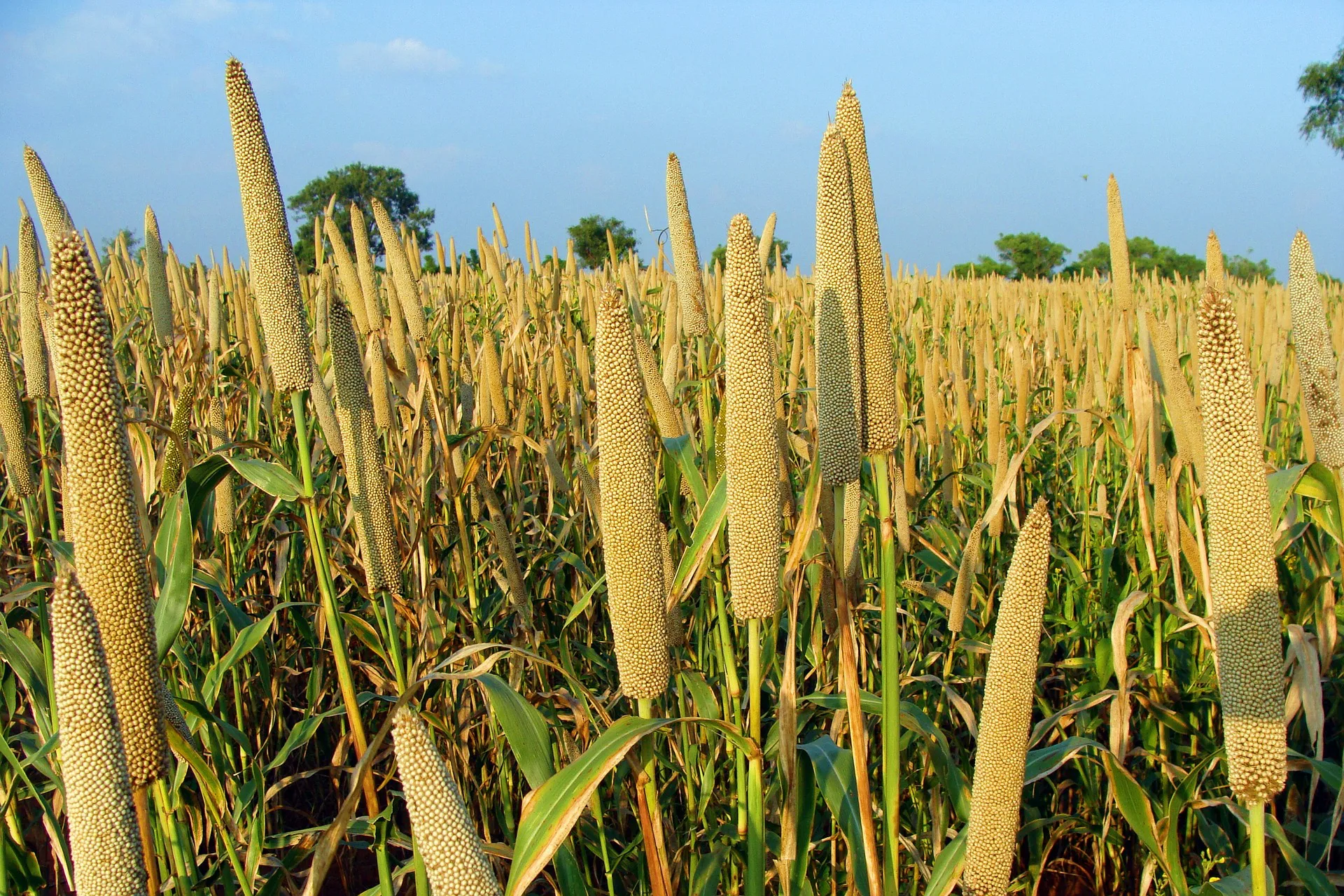
Major crops grown in the FCT include yam, cassava, maize (corn), rice, sorghum, millet, groundnuts, cowpeas, and vegetables such as tomatoes and peppers. These crops benefit from Abuja’s varied climates and are cultivated both for local consumption and commercial sale in urban markets across the territory.
Government interventions, such as fertilizer subsidies and agro‑input distributions, aim to strengthen agricultural output, reduce food costs, and enhance food security for FCT residents. These programs reflect ongoing efforts to revitalize rural farming and broaden economic opportunities in Abuja’s hinterland
Abuja Agriculture Snapshot
8,000 km²
Total Land Area
65%
Rural Farming Population
Rain-fed + Irrigation
Main Farming Systems
Major Food Hub
Central Nigeria Supply
Major Crops Produced
Farmers in FCT cultivate yam, cassava, maize, rice, sorghum, millet, groundnuts, cowpeas, tomatoes, and peppers for both subsistence and commercial markets.
Livestock Production
Livestock production in Abuja includes poultry, cattle, goats, and sheep. Rising urban demand for protein products continues to attract agricultural investments.
Agricultural Value Chain Opportunities
Processing
Cassava & Rice Processing
Storage
Cold Chain & Warehousing
Export
Vegetables & Grains
Agro Investment
Commercial Farming
Major Commodity Prices in Abuja
| Commodity | Average Price | Market Trend |
|---|---|---|
| Maize | ₦45,000 / 50kg | Stable |
| Rice | ₦45,000 / 50kg | Increasing |
| Cassava | ₦35,000 / Bag | Stable |
| Tomatoes | ₦32,000 / Basket | Seasonal |
