
Digital Commodities (Cryptocurrency)
Cryptocurrencies have emerged as a powerful new class of digital commodities, transforming how value is stored, transferred, and invested. In Nigeria, crypto adoption has grown rapidly, positioning the country as one of the global leaders in digital asset usage.
Introduction: The Rise of Digital Commodities
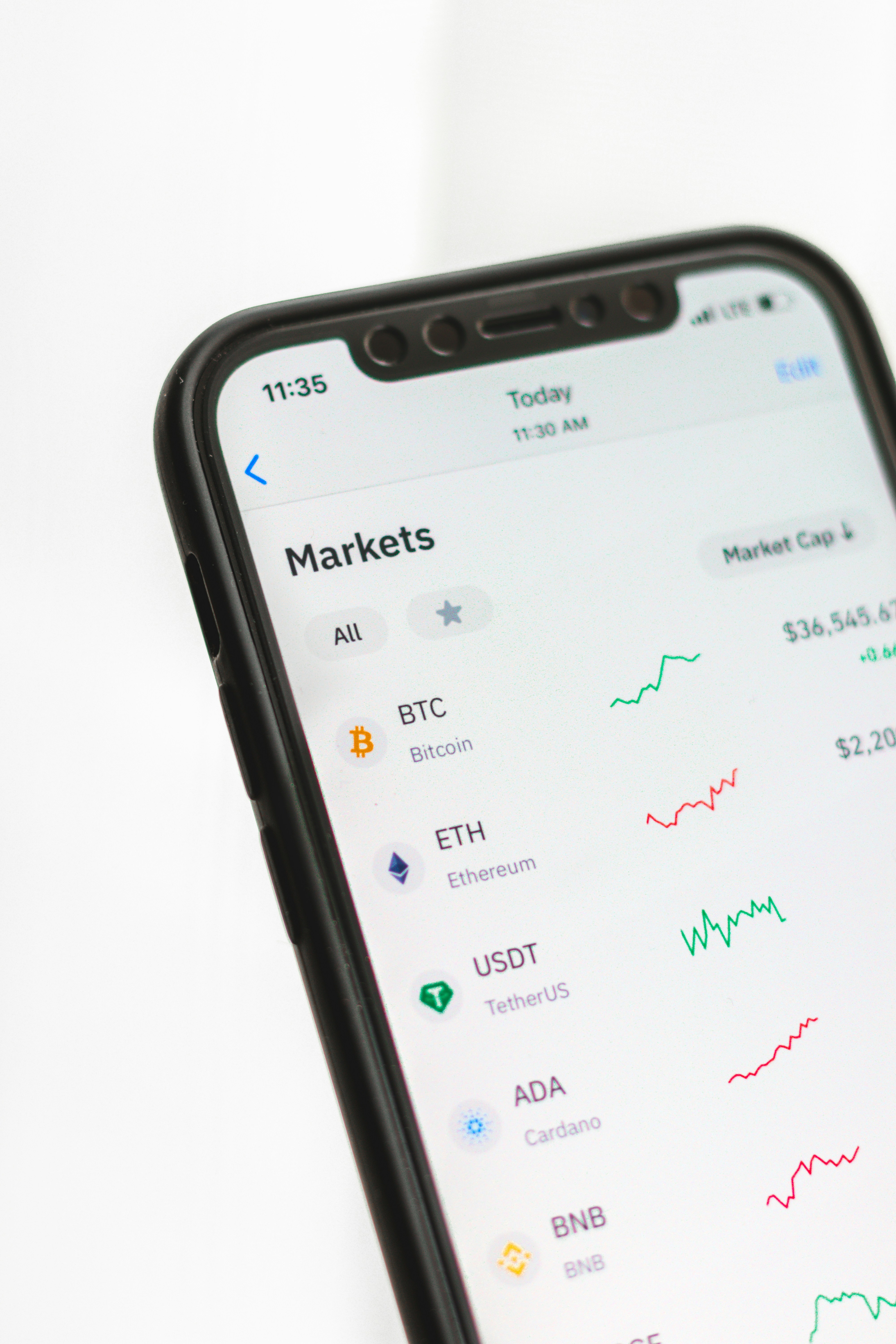
The evolution of money has moved from physical barter systems to digital transactions, and now to decentralized digital currencies. Cryptocurrencies represent the latest phase in this evolution, offering a new way to exchange value without relying on traditional financial institutions.
In Nigeria, the rise of cryptocurrencies has been driven by economic realities such as inflation, currency depreciation, and limited access to banking services. For many individuals and businesses, crypto provides a more efficient and accessible alternative to traditional financial systems.
Globally, digital commodities are reshaping financial markets, introducing new forms of investment, and challenging established economic structures. Understanding this transformation is essential for navigating the future of finance.
What Are Cryptocurrencies?

Cryptocurrencies are digital or virtual currencies that use cryptographic technology to secure transactions and control the creation of new units. Unlike traditional currencies, they operate on decentralized networks based on blockchain technology.
Blockchain is a distributed ledger that records transactions across multiple computers, ensuring transparency and security. This decentralized nature eliminates the need for intermediaries such as banks, making transactions faster and more efficient.
Cryptocurrencies can be used for a variety of purposes, including payments, investment, and value storage. Their flexibility and accessibility have contributed to their rapid adoption worldwide.
Types of Cryptocurrencies
Bitcoin (BTC)
Bitcoin is the first and most well-known cryptocurrency. It is often referred to as “digital gold” due to its limited supply and strong store-of-value properties. Bitcoin is widely used as an investment asset and a hedge against inflation.
Ethereum (ETH)
Ethereum is a blockchain platform that enables smart contracts and decentralized applications. Its native currency, Ether, is used to power transactions within the network.
Stablecoins
Stablecoins are cryptocurrencies that are pegged to stable assets such as the US dollar. They are widely used for transactions and as a way to reduce volatility in the crypto market.
Altcoins
Altcoins refer to all cryptocurrencies other than Bitcoin. These include a wide range of projects with different use cases, from payment systems to decentralized finance platforms.
The Global Cryptocurrency Market

The global cryptocurrency market has grown into a multi-trillion-dollar ecosystem, attracting investors, institutions, and governments. It operates 24/7, unlike traditional financial markets, and is accessible to anyone with an internet connection.
Prices in the crypto market are highly volatile, driven by factors such as market sentiment, technological developments, and regulatory changes. Despite this volatility, the market continues to expand, driven by increasing adoption and innovation.
Cryptocurrency in Nigeria

Nigeria has emerged as one of the leading countries in cryptocurrency adoption. The widespread use of digital assets is driven by factors such as inflation, currency instability, and the need for efficient cross-border transactions.
Young people, in particular, have embraced cryptocurrencies as a means of financial empowerment. The growth of fintech platforms has further facilitated access to digital assets, making it easier for individuals to participate in the crypto economy.
Despite regulatory challenges, the adoption of cryptocurrencies in Nigeria continues to grow, reflecting a strong demand for alternative financial solutions.
Use Cases of Cryptocurrencies
Cryptocurrencies serve multiple purposes, including payments, investment, and financial inclusion. They enable fast and low-cost cross-border transactions, making them particularly useful in countries with limited banking infrastructure.
In addition to payments, cryptocurrencies are used in decentralized finance (DeFi), where users can lend, borrow, and earn interest without intermediaries. This innovation is transforming the financial landscape and creating new opportunities for economic participation.
Factors Influencing Crypto Prices
Crypto prices are influenced by supply and demand, market sentiment, technological developments, and regulatory policies. News events, social media trends, and macroeconomic conditions can also have a significant impact.
Unlike traditional markets, the crypto market is highly sensitive to investor sentiment, making it more volatile but also offering significant opportunities for profit.
Investment and Trading in Crypto
Cryptocurrencies are widely traded as investment assets, offering opportunities for both short-term trading and long-term investment. Investors can buy and hold digital assets or trade them on exchanges to profit from price movements.
Risk management is crucial in crypto investing due to the high level of volatility. Diversification and proper research are essential for making informed decisions.
Challenges in the Crypto Sector
The crypto industry faces challenges such as regulatory uncertainty, security risks, and market volatility. Governments around the world are working to establish frameworks that balance innovation with consumer protection.
Security is another major concern, as cyberattacks and fraud can result in significant losses. Users must take precautions to protect their digital assets.
The Future of Digital Commodities
The future of cryptocurrencies is closely tied to technological innovation and regulatory developments. As blockchain technology continues to evolve, digital commodities are expected to become more integrated into the global financial system.
In Nigeria, the continued growth of crypto adoption could play a key role in financial inclusion and economic development.
Conclusion
Cryptocurrencies represent a transformative force in the global economy, offering new ways to store and transfer value. Their rapid adoption in Nigeria highlights their potential to address economic challenges and create new opportunities.
Understanding digital commodities is essential for navigating the future of finance and participating in the evolving global economy.
