
Lead in Nigeria
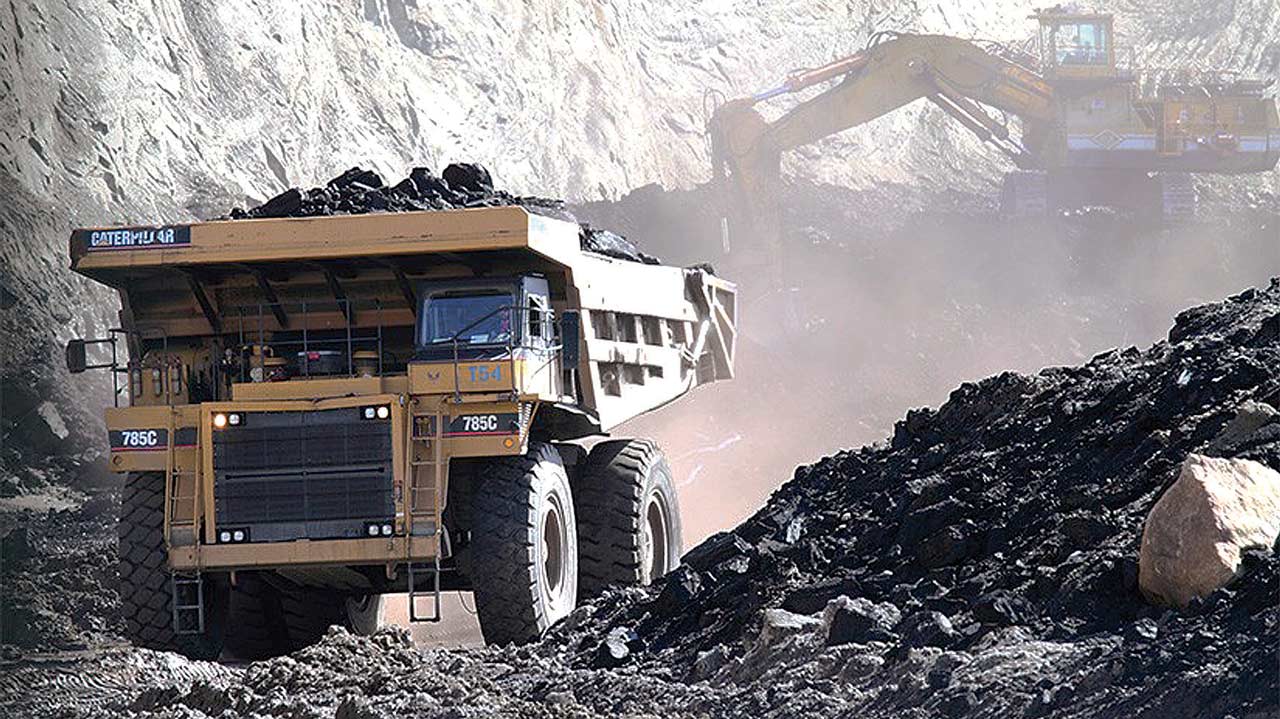
Lead is an important industrial metal in Nigeria, primarily used in battery production, radiation shielding, and industrial alloys. Lead deposits are found predominantly in the northern regions, particularly in Zamfara, Kaduna, and Niger States. Mining of lead often occurs together with zinc, forming complex ore bodies.
The metal is critical for lead-acid batteries, which power vehicles, telecom infrastructures, and energy storage solutions. Despite global concerns about environmental and health impacts, lead remains strategically important for Nigeria’s industrial growth and electrification needs.
Major Producing States
- Zamfara – Artisanal and small-scale mining of lead-zinc ore.
- Kaduna – Industrial deposits supporting local processing.
- Niger – Secondary lead deposits in northern Nigeria.
- Kogi – Emerging zones associated with zinc mineralization.
Uses of Lead
Lead is mainly used in lead-acid batteries for automotive, renewable energy storage, and industrial backup systems. Other applications include radiation shielding in hospitals, cable sheathing, and alloys used in construction and machinery.
Market Demand and Investment Potential
Demand for lead is closely tied to the growth of the automobile industry, renewable energy, and power backup systems. Nigeria’s domestic lead production could reduce import dependency and support local battery manufacturing. Investment opportunities exist in mechanized mining, ore processing, smelting, and battery production facilities.
Challenges
- Environmental and health hazards from improper mining
- Illegal mining activities
- Lack of modern processing plants
- Inadequate infrastructure and logistics
Future Outlook
With proper regulation, mechanization, and processing investment, Nigeria’s lead sector can supply growing domestic demand for batteries and alloys while ensuring environmental safety and community development. The sector offers long-term industrial and export growth potential.
