Metals Commodities
Metals are among the most important commodities in the global economy, serving as the backbone of industrial development, infrastructure, and technological advancement. In Nigeria, metal resources represent a major opportunity for economic diversification beyond oil, offering long-term growth potential across mining, manufacturing, and global trade.
Introduction: The Strategic Importance of Metals
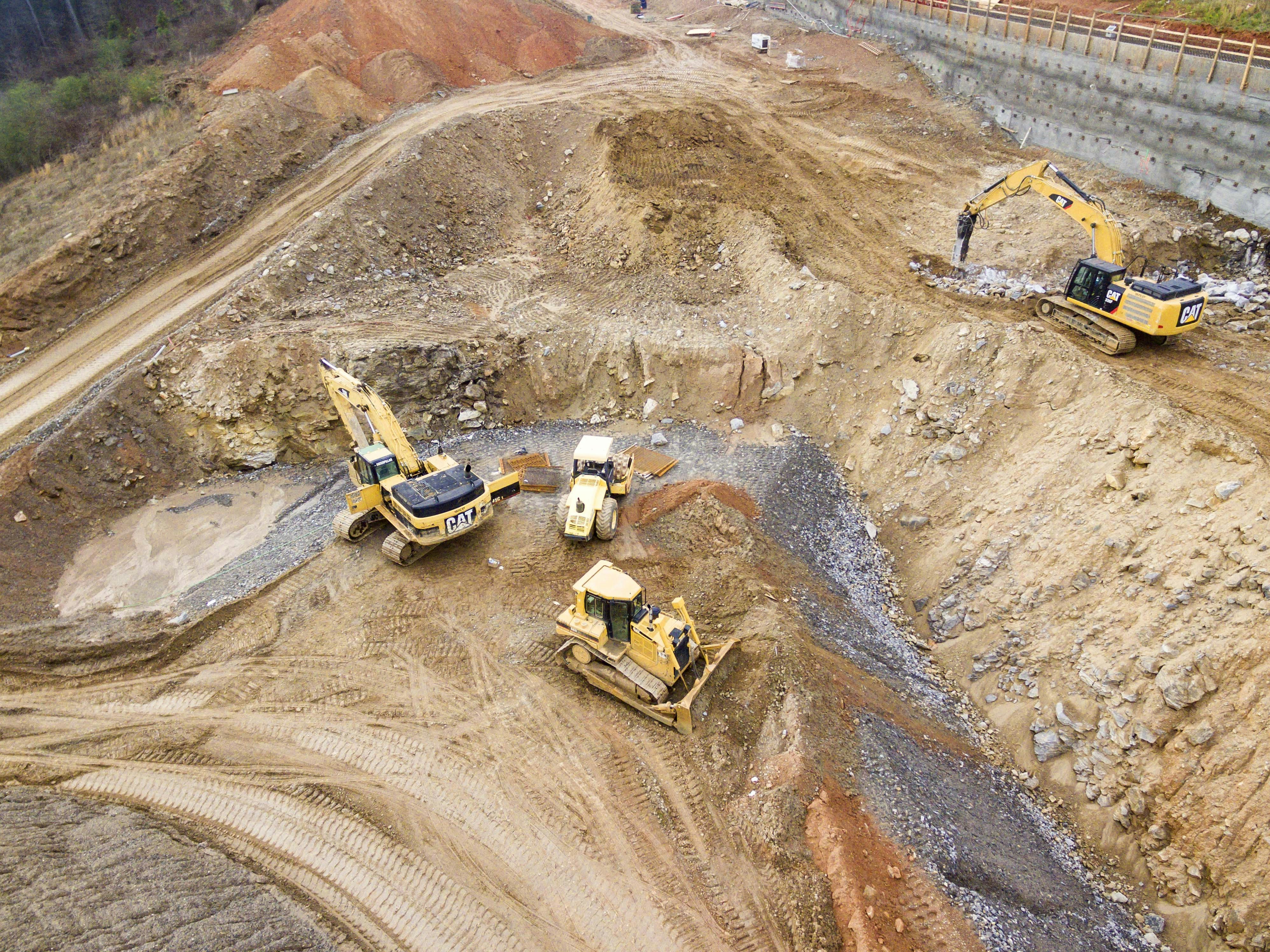
Metal commodities form the structural foundation of modern economies. From transportation systems and power generation to housing and digital infrastructure, metals are deeply embedded in nearly every sector. Their importance goes beyond physical usage, as they also play a crucial role in financial markets and investment strategies.
In Nigeria, metals represent an untapped frontier of economic opportunity. While the country is widely known for its oil reserves, it also possesses significant deposits of solid minerals that remain underdeveloped. Expanding this sector could reduce reliance on crude oil and create a more balanced and resilient economy.
What Are Metal Commodities?
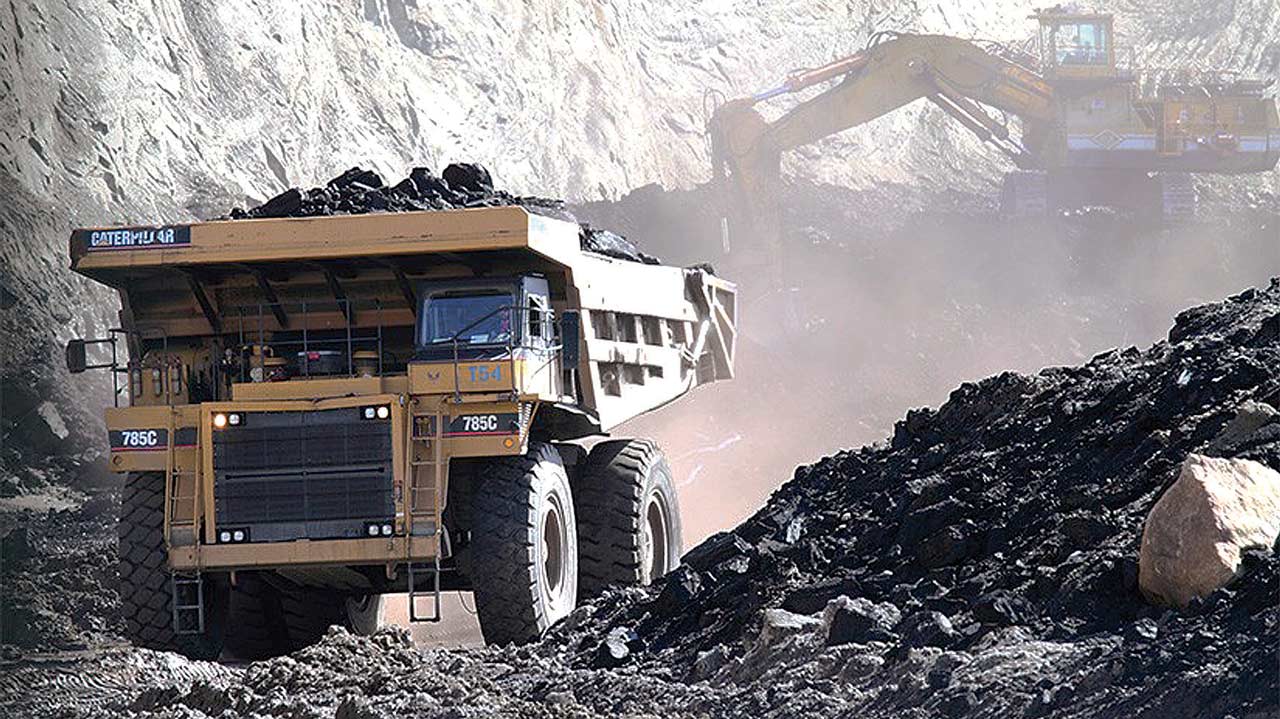
Metal commodities are naturally occurring elements that are extracted from the earth and processed into usable forms. These metals are typically mined from ores and refined through industrial processes before being traded in global markets. Their standardized nature allows them to be bought and sold easily across different regions.
Metals are essential inputs for manufacturing, construction, and technology. Their durability, conductivity, and strength make them indispensable in modern life. Because of their universal demand, metals are actively traded on global exchanges, where their prices are determined by supply and demand dynamics.
Classification of Metals
Precious Metals
Precious metals such as gold, silver, and platinum are valued for their rarity and ability to store wealth. Gold, in particular, has been used for centuries as a form of currency and remains one of the most trusted assets during periods of economic uncertainty. Investors often turn to gold as a hedge against inflation and currency depreciation.
Industrial Metals
Industrial metals, including copper, aluminum, and zinc, are essential for construction and manufacturing. Copper is widely used in electrical wiring, while aluminum is favored for its lightweight and corrosion-resistant properties. These metals are closely tied to economic growth and industrial activity.
Ferrous Metals
Ferrous metals contain iron and are primarily used in steel production. Steel is one of the most widely used materials in the world, forming the backbone of infrastructure projects such as buildings, bridges, and transportation systems.
The Global Metals Market
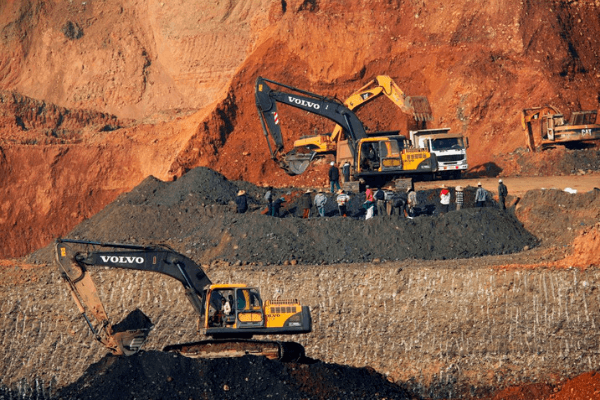
The global metals market is a complex and interconnected system involving mining companies, governments, investors, and industrial consumers. It operates through a value chain that includes exploration, extraction, refining, and distribution.
Major trading hubs such as London and New York play a key role in determining global metal prices. These markets provide liquidity and transparency, allowing participants to manage risk and make informed investment decisions.
Metals in Nigeria: Resources and Potential
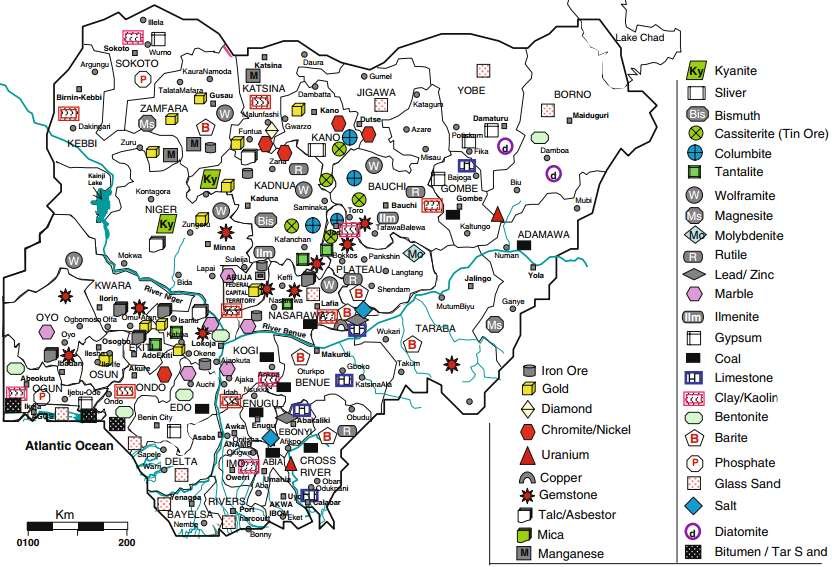
Nigeria is rich in solid mineral resources, including gold, iron ore, and limestone. These resources are distributed across various regions and have the potential to drive industrialization and economic growth.
Despite this abundance, the sector faces challenges such as inadequate infrastructure, informal mining practices, and limited investment. Addressing these issues could unlock significant value and position Nigeria as a major player in the global metals market.
Supply Chain of Metal Commodities
The journey of metal commodities begins with exploration and mining, where geological surveys identify viable mineral deposits. Once extracted, the ores are processed and refined into pure metals. These metals are then used in manufacturing or traded in global markets.
Each stage of the supply chain involves significant investment and technological expertise. Efficiency in these processes is crucial for maintaining competitiveness and ensuring sustainable production.
Factors Influencing Metal Prices
Metal prices are influenced by a wide range of factors, including supply and demand, economic growth, inflation, and geopolitical events. Industrial metals tend to rise in value during periods of economic expansion, while precious metals often perform well during times of uncertainty.
Currency fluctuations also play a role, particularly in countries like Nigeria where exchange rates can impact import and export costs.
Metals and the Energy Transition
The global shift toward renewable energy is increasing demand for certain metals, particularly those used in batteries and clean energy technologies. Copper, lithium, and nickel are essential for electric vehicles and solar panels.
This transition presents both opportunities and challenges, as increased demand must be balanced with environmental sustainability.
Investment and Trading in Metals
Metals can be traded in various forms, including physical ownership, exchange-traded funds, and futures contracts. Investors often include metals in their portfolios as a way to diversify risk and protect against inflation.
Gold remains one of the most popular investment metals due to its stability and long-term value retention.
Challenges in the Metals Sector
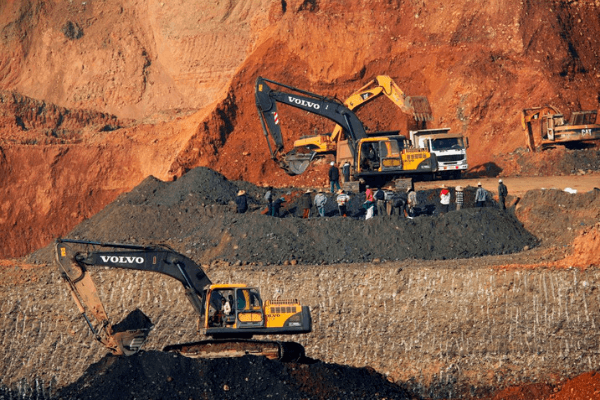
The metals industry faces several challenges, including environmental concerns, regulatory complexities, and price volatility. Mining activities can have significant ecological impacts, making sustainable practices essential for long-term viability.
The Future of Metal Commodities
The future of metals is closely tied to technological innovation and global economic trends. As demand for infrastructure and clean energy continues to grow, metals will remain a critical component of development.
For Nigeria, investing in the metals sector represents an opportunity to achieve economic diversification and reduce dependence on oil revenue.
Conclusion
Metal commodities are indispensable to modern life, underpinning industries, economies, and financial systems. Their importance extends beyond their physical properties, serving as key indicators of economic health and drivers of global development.
With strategic investment and policy support, Nigeria has the potential to transform its metals sector into a major engine of growth and innovation.
