
Rice Production in Nigeria
Rice is one of Nigeria’s most important staple foods and a strategic commodity in the country’s drive for food self-sufficiency and reduced import dependence.
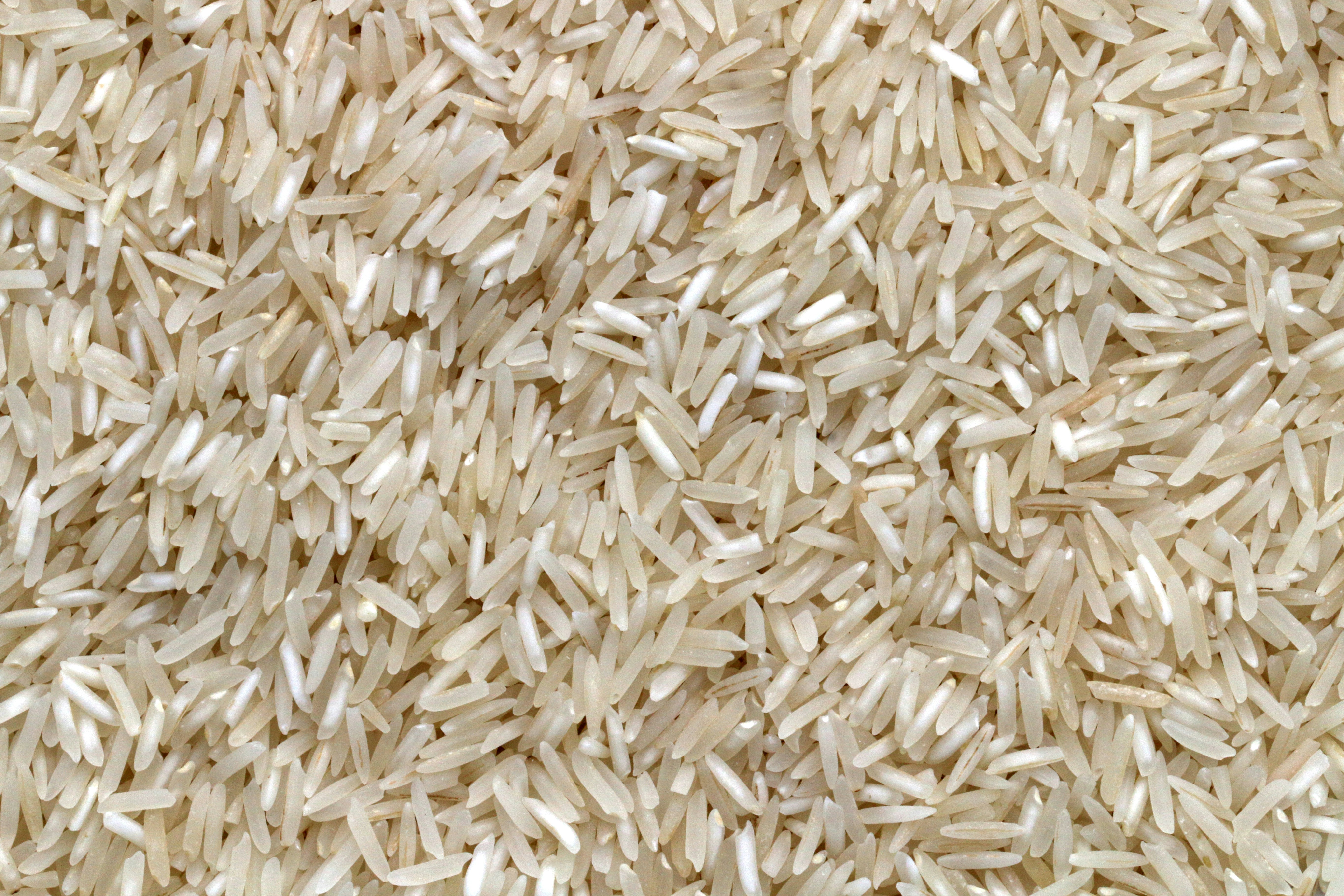
Introduction
Rice consumption in Nigeria has grown rapidly over the past three decades due to urbanization, population growth, and changing dietary preferences. It is consumed daily in millions of households across the country. Historically, Nigeria relied heavily on imported rice, but policy interventions and local production expansion have significantly increased domestic output.
Rice is cultivated in both upland and lowland systems, as well as irrigated schemes that enable dry-season farming. The value chain spans paddy production, aggregation, milling, packaging, branding, and distribution to wholesale and retail markets nationwide.
Major Producing States
Northern states dominate production due to large irrigable plains, while southern states contribute significantly through swamp and lowland rice systems.
Value Chain and Industrial Growth
Nigeria has witnessed a surge in modern integrated rice mills capable of producing high-quality milled rice that competes with imported brands. These mills have improved grain quality, reduced stone content, and enhanced packaging standards.
Government interventions such as credit support and border controls accelerated investment in rice farming and processing infrastructure, creating thousands of jobs along the value chain.
Market Demand and Pricing
Rice remains one of the most price-sensitive food commodities in Nigeria. Prices are influenced by harvest cycles, transportation costs, exchange rates, and import policies. Seasonal supply fluctuations often create price volatility.
Demand continues to rise annually, driven by population growth and increased preference for locally milled rice.
Challenges
- High production costs
- Irrigation infrastructure gaps
- Processing inefficiencies
- Competition from smuggled rice
- Climate-related flooding risks
Opportunities
Significant opportunities exist in large-scale irrigation farming, seed multiplication, modern milling facilities, packaging, export-grade rice production, and digital commodity trading platforms.
