
Energy Commodities
Energy commodities form the backbone of modern economies, powering industries, transportation systems, and households. In Nigeria, energy—particularly crude oil and natural gas—remains the most critical driver of national revenue, foreign exchange earnings, and macroeconomic stability.
Introduction: The Role of Energy in Economic Development
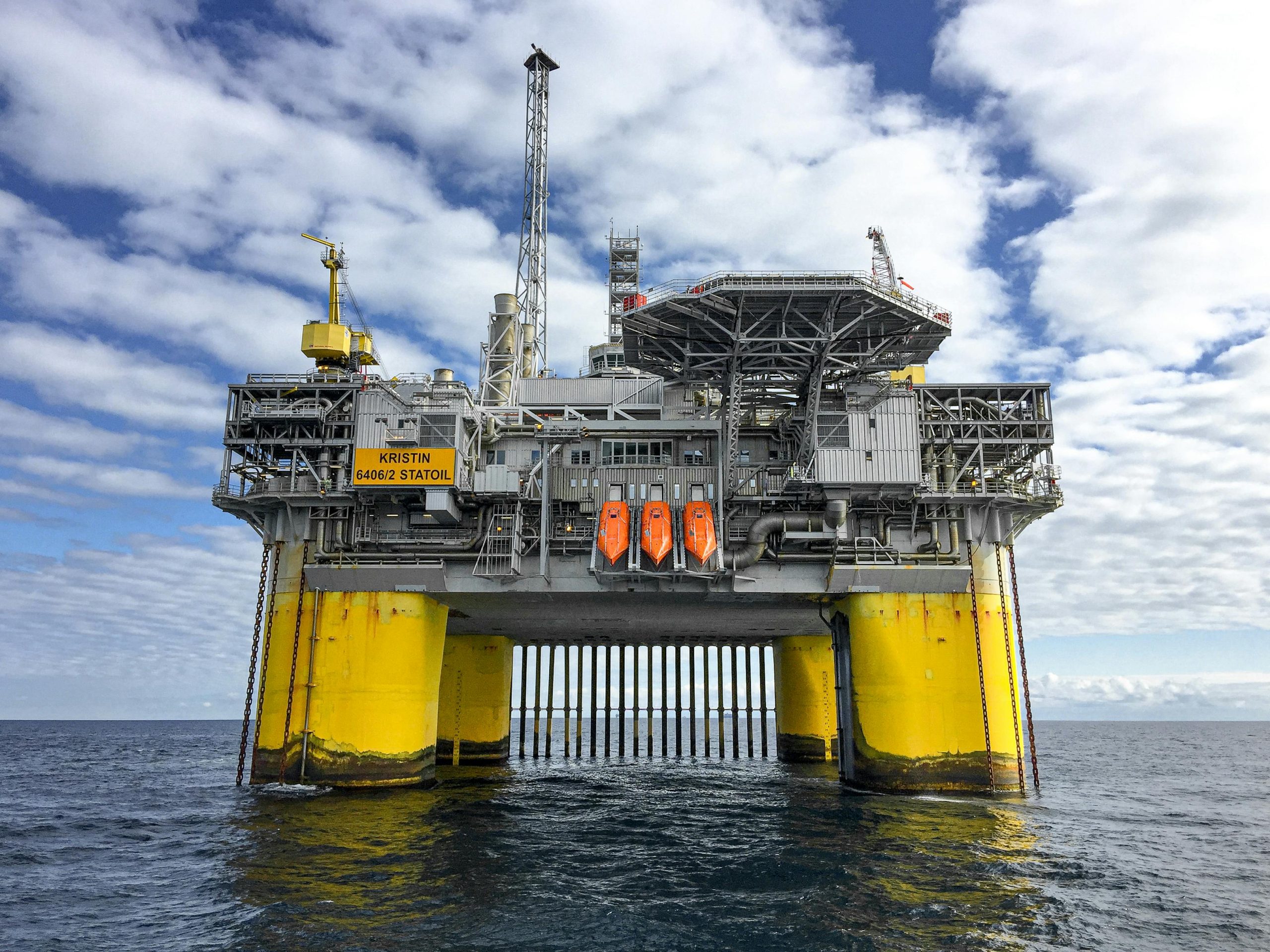
Energy is the lifeblood of modern civilization. Every sector of the economy, from agriculture and manufacturing to transportation and digital infrastructure, depends on reliable and affordable energy. Without it, economic activity would come to a halt.
In Nigeria, energy commodities play an even more significant role due to the country’s heavy reliance on oil exports. The performance of the energy sector directly influences government revenue, currency stability, and inflation levels.
Globally, energy markets are among the most dynamic and complex, shaped by geopolitical developments, technological innovation, and environmental concerns. Understanding energy commodities is therefore essential for grasping both national and global economic trends.
What Are Energy Commodities?
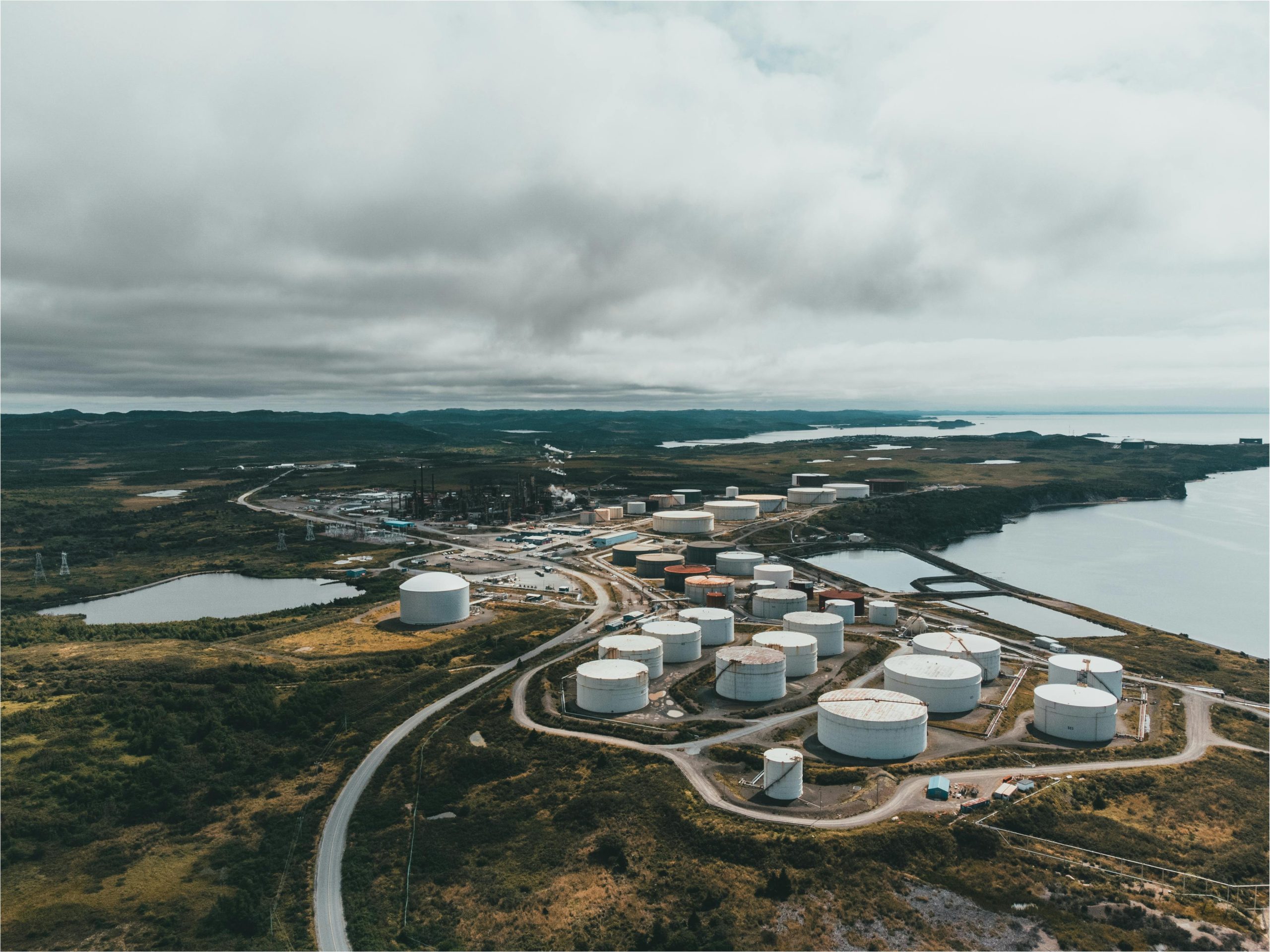
Energy commodities are natural resources that are used to produce power and fuel economic activity. These include crude oil, natural gas, coal, and refined petroleum products such as petrol and diesel. They are extracted from the earth and processed into usable forms for consumption.
Unlike other commodities, energy resources are consumed rather than stored indefinitely, making their supply and demand dynamics particularly sensitive to economic activity and seasonal changes. Their prices are influenced by a wide range of factors, including production levels, global demand, weather conditions, and geopolitical events.
Types of Energy Commodities
Crude Oil
Crude oil is the most important energy commodity in Nigeria and one of the most traded commodities globally. It is refined into various products, including petrol, diesel, and jet fuel. Nigeria is one of Africa’s largest oil producers, and oil exports account for a significant portion of the country’s revenue.
Natural Gas
Natural gas is a cleaner-burning fossil fuel that is increasingly used for power generation and industrial processes. Nigeria has one of the largest natural gas reserves in Africa, and the development of this resource is seen as a key component of the country’s energy strategy.
Refined Petroleum Products
Refined products such as petrol and diesel are essential for transportation and daily economic activities. Their prices have a direct impact on the cost of living, influencing transportation costs, food prices, and overall inflation.
Renewable Energy Resources
Renewable energy sources such as solar, wind, and hydro are becoming increasingly important as the world transitions toward sustainable energy systems. While still developing in Nigeria, these resources hold significant potential for the future.
The Global Energy Market

The global energy market is one of the largest and most influential sectors in the world economy. It involves a complex network of producers, consumers, traders, and regulators. Prices are determined through global exchanges and are influenced by supply and demand, geopolitical tensions, and economic growth.
Organizations such as OPEC play a critical role in regulating oil production and stabilizing prices. Decisions made by these organizations can have far-reaching effects on global markets and national economies.
Energy in Nigeria: Structure and Importance
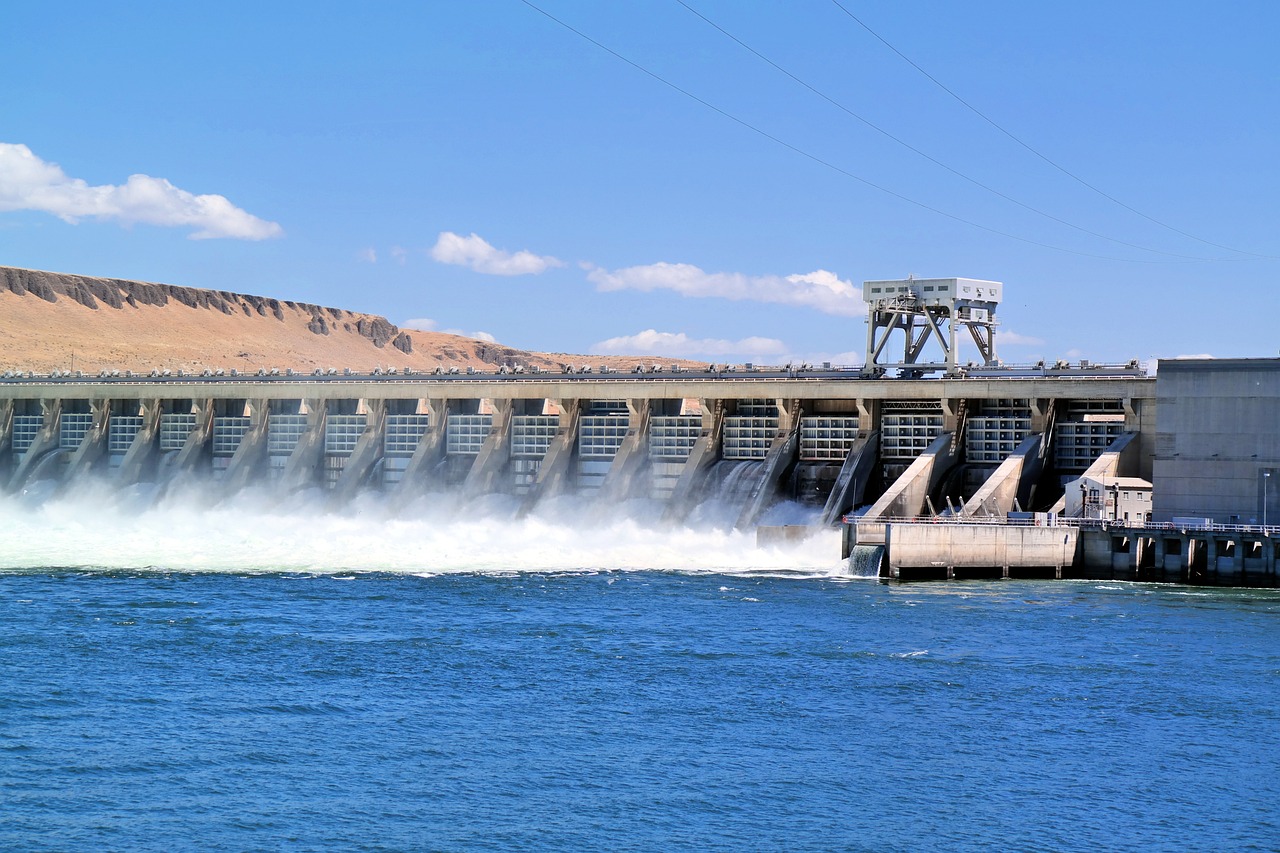
Nigeria’s energy sector is dominated by oil and gas, which account for the majority of export earnings and government revenue. The sector is a key driver of economic activity and plays a central role in shaping the country’s fiscal and monetary policies.
Despite its vast resources, Nigeria faces challenges such as inadequate refining capacity, leading to reliance on imported petroleum products. Efforts are underway to improve local refining and reduce dependence on imports.
The development of natural gas and renewable energy is also gaining attention, as the country seeks to diversify its energy mix and improve sustainability.
Energy Supply Chain
The energy supply chain begins with exploration and extraction, where oil and gas are discovered and produced. This is followed by refining, where crude oil is processed into usable products. The final stage involves distribution to consumers through pipelines, storage facilities, and retail outlets.
Each stage of the supply chain is capital-intensive and requires advanced technology and infrastructure. Efficiency in these processes is essential for ensuring stable energy supply and competitive pricing.
Factors Influencing Energy Prices
Energy prices are influenced by supply and demand, geopolitical events, currency fluctuations, and government policies. For example, conflicts in oil-producing regions can disrupt supply and lead to price spikes.
In Nigeria, exchange rate movements and subsidy policies play a significant role in determining domestic fuel prices.
Energy Transition and Sustainability
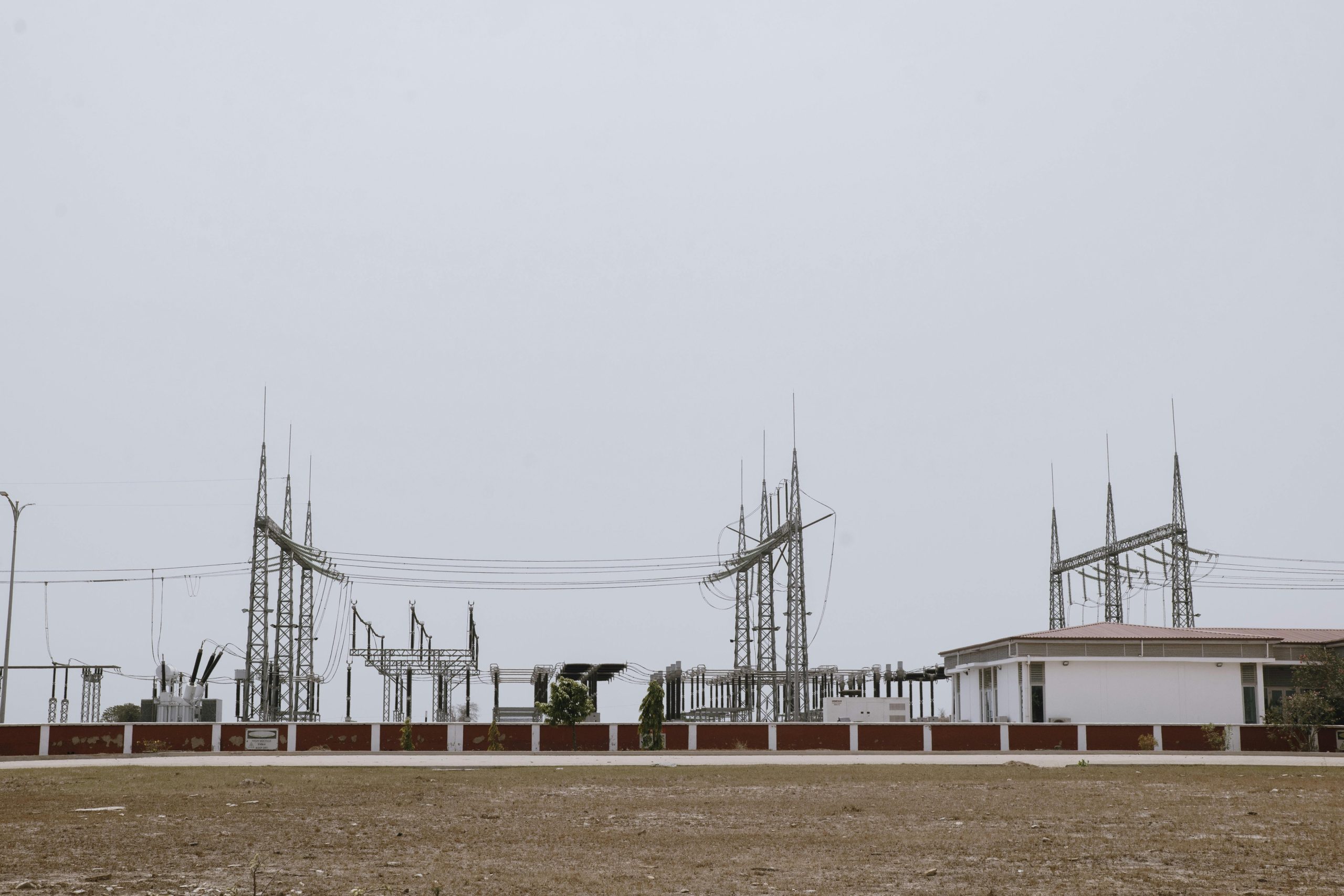
The global shift toward renewable energy is reshaping the energy landscape. Governments and companies are investing in cleaner energy sources to reduce carbon emissions and combat climate change.
For Nigeria, this transition presents both opportunities and challenges. While renewable energy offers long-term sustainability, the country must balance this with its dependence on oil revenue.
Investment and Trading in Energy Commodities
Energy commodities are widely traded in global markets, offering opportunities for investors to profit from price movements. These commodities can be traded through futures contracts, exchange-traded funds, and energy company stocks.
Oil remains one of the most actively traded commodities, with prices closely monitored by investors and policymakers worldwide.
Challenges in the Energy Sector
The energy sector faces several challenges, including environmental concerns, price volatility, and regulatory complexities. In Nigeria, issues such as pipeline vandalism, theft, and infrastructure deficits further complicate the sector.
The Future of Energy Commodities
The future of energy lies in a balanced approach that combines traditional fossil fuels with renewable sources. As technology advances and global demand evolves, the energy sector will continue to transform.
Nigeria has the potential to become a leader in both oil production and renewable energy development, provided that strategic investments and policies are implemented.
Energy commodities are essential to economic development and global stability. In Nigeria, they play a central role in shaping economic outcomes and influencing everyday life.
Understanding energy markets is therefore critical for policymakers, investors, and citizens alike, as the sector continues to evolve in response to global trends and technological innovation.
