
Jigawa State Agriculture & Commodity Market Intelligence
Insights into crop production, livestock farming, agro-processing, and investment opportunities in North-West Nigeria’s agrarian hub.
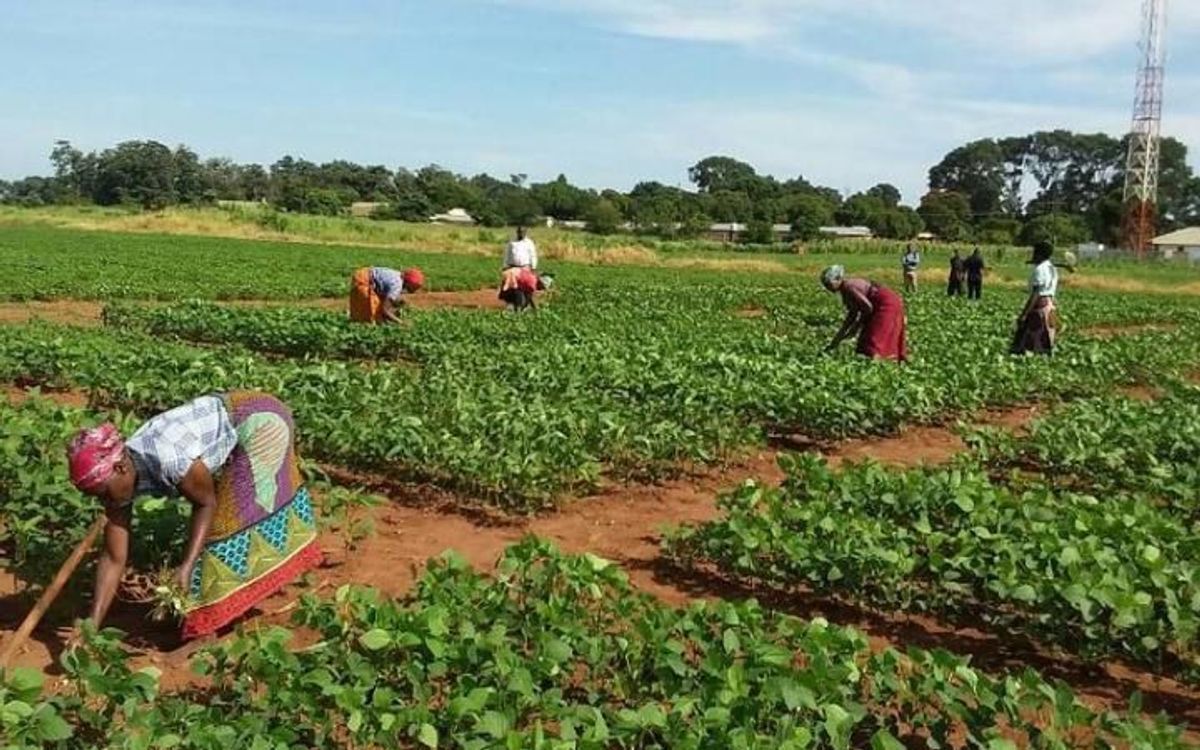
Overview of Agriculture in Jigawa State
Jigawa State, created on August 27, 1991, is a largely agrarian state in North-West Nigeria. Agriculture serves as the backbone of the economy, contributing over 60 % to GDP and employing more than 80–90 % of the population.
The state has vast arable land and a tropical savanna climate, supporting diverse crop cultivation and livestock production. Its fertile soils, combined with irrigation infrastructure and mechanization initiatives, allow farmers to produce high-yield crops year-round.
Jigawa is a key contributor to Nigeria’s food security, producing crops for both domestic consumption and export. Its strategic location facilitates access to markets across northern Nigeria and neighboring countries.
Jigawa Agriculture Snapshot
85%
Population Engaged in Agriculture
60%
Contribution to State GDP
Vast Arable Land
Over 2.8 Million Hectares
Major Market Hubs
Gumel, Dutse, Hadejia Markets
Major Crops Produced
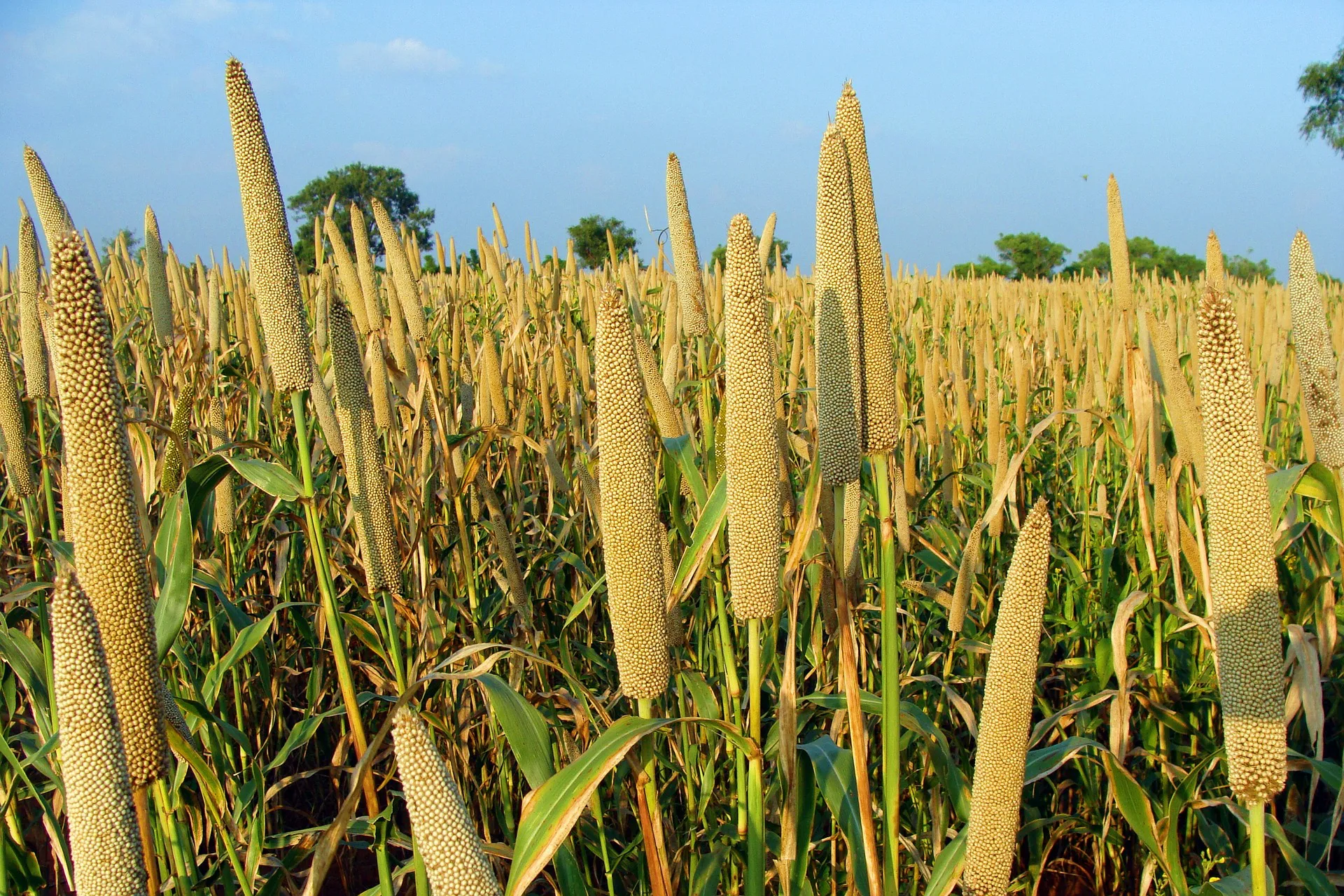
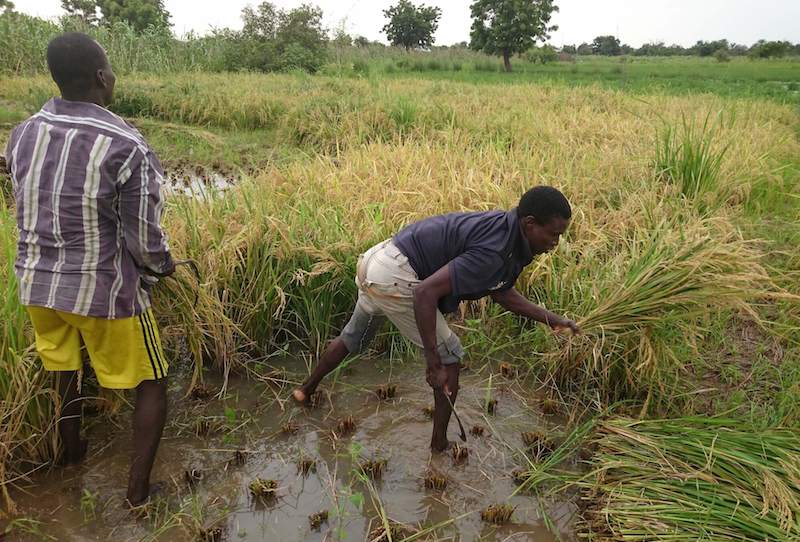
Jigawa is a major producer of rice, wheat, millet, sorghum, maize, groundnut, cowpea, sesame, and hibiscus. The state is particularly known for sesame seeds and hibiscus flowers, which are in high demand in global markets.
Other important crops include cassava, yam, cotton, and tomatoes. These crops support domestic consumption, food security, and emerging agro-processing industries, including rice milling, wheat processing, and oilseed extraction.
Government interventions, improved seed distribution, mechanization, and irrigation schemes have boosted production and expanded opportunities for agribusiness and export-oriented farming.
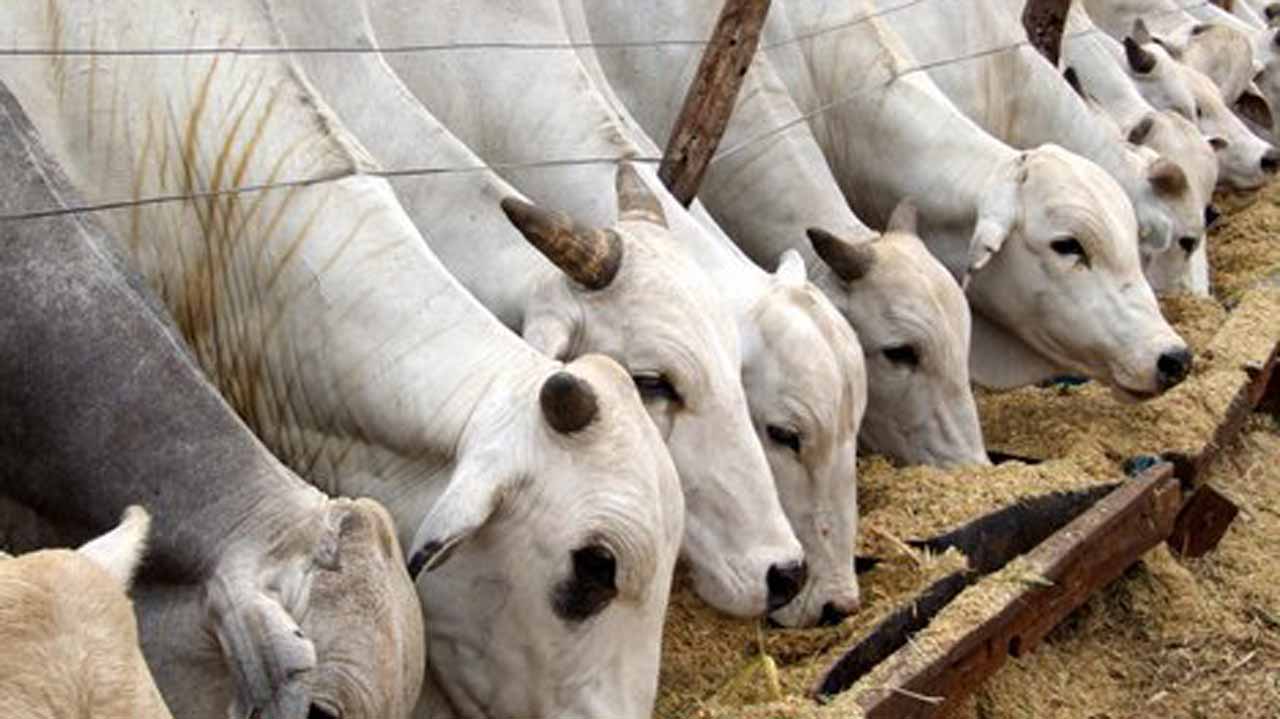
Livestock and Poultry Farming
Livestock production is a key component of Jigawa agriculture. Cattle, goats, sheep, and poultry are reared extensively across grazing lands and ranches, contributing to meat, dairy, and egg supply chains.
Ongoing investments in livestock infrastructure, feed production, and ranch development have strengthened the sector, supporting rural livelihoods and agro-processing initiatives such as meat and dairy products.
Livestock activities also provide raw materials for leather, hides, and other value-added industries, creating business opportunities for investors.
Government Initiatives & Agricultural Development
The Jigawa State Government has implemented programs to enhance agricultural productivity, including dry-season farming initiatives, mechanization, subsidized fertilizer and input distribution, and irrigation expansion.
These programs aim to increase crop yields, promote year-round farming, and boost food security. The state also targets large-scale rice production to meet national demands by 2030.
Extension services, market access improvements, and private sector partnerships are central to government strategies, encouraging investment in crop production, agro-processing, and livestock farming.
Agro-Processing and Value Chain Opportunities
Rice & Wheat Processing
Industrial & Export Potential
Sesame & Hibiscus
High-Demand Export Crops
Livestock Development
Meat, Dairy & Leather Supply
Irrigation & Mechanization
Boosts Year-Round Production
Agro-processing in Jigawa includes rice milling, wheat flour production, sesame oil extraction, and hibiscus processing. Integration of smallholder farmers into these value chains ensures a reliable supply and economic growth.
Climate, Soil & Irrigation Systems
Jigawa has a tropical savanna climate with distinct wet and dry seasons, ideal for a variety of crops. Soils are generally fertile and suitable for both crop and livestock farming.
Irrigation infrastructure, including dams and river-fed schemes, enables dry-season farming. Mechanized equipment and improved agronomic practices have increased productivity and expanded year-round cultivation.
Major Commodity Prices in Jigawa State
| Commodity | Average Price | Market Trend |
|---|---|---|
| Rice | ₦48,000 / 50kg | Increasing |
| Wheat | ₦35,000 / 50kg | Stable |
| Millet | ₦33,000 / 50kg | Stable |
| Maize | ₦35,000 / 50kg | Stable |
| Sesame | ₦40,000 / 50kg | High Demand |
| Hibiscus | ₦25,000 / 50kg | Export Oriented |
