
Katsina State Agriculture & Commodity Market Intelligence
Insights into crops, livestock, agro-processing, and investment opportunities in North-West Nigeria’s agrarian hub.
Overview of Agriculture in Katsina State
Katsina State, located in North-West Nigeria, shares borders with Kano, Jigawa, Kaduna, Zamfara, and the Republic of Niger. The state has a predominantly agrarian economy, with a large majority of its population engaged in farming, livestock rearing, and agribusiness activities.
Agriculture is a key driver of food security, employment, and economic diversification in Katsina. The state boasts approximately 2.4 million hectares of cultivable land, of which 1.6 million hectares are actively farmed.
With over 60 natural water bodies supporting irrigation, Katsina has favorable conditions for both wet- and dry-season farming, ensuring consistent crop production and livestock support across the state.
Katsina Agriculture Snapshot
80%
Population Engaged in Agriculture
55%
Contribution to State GDP
2.4M Ha
Cultivable Land
Major Market Hubs
Mai’Adua International & Dandume Markets
Major Crops Produced
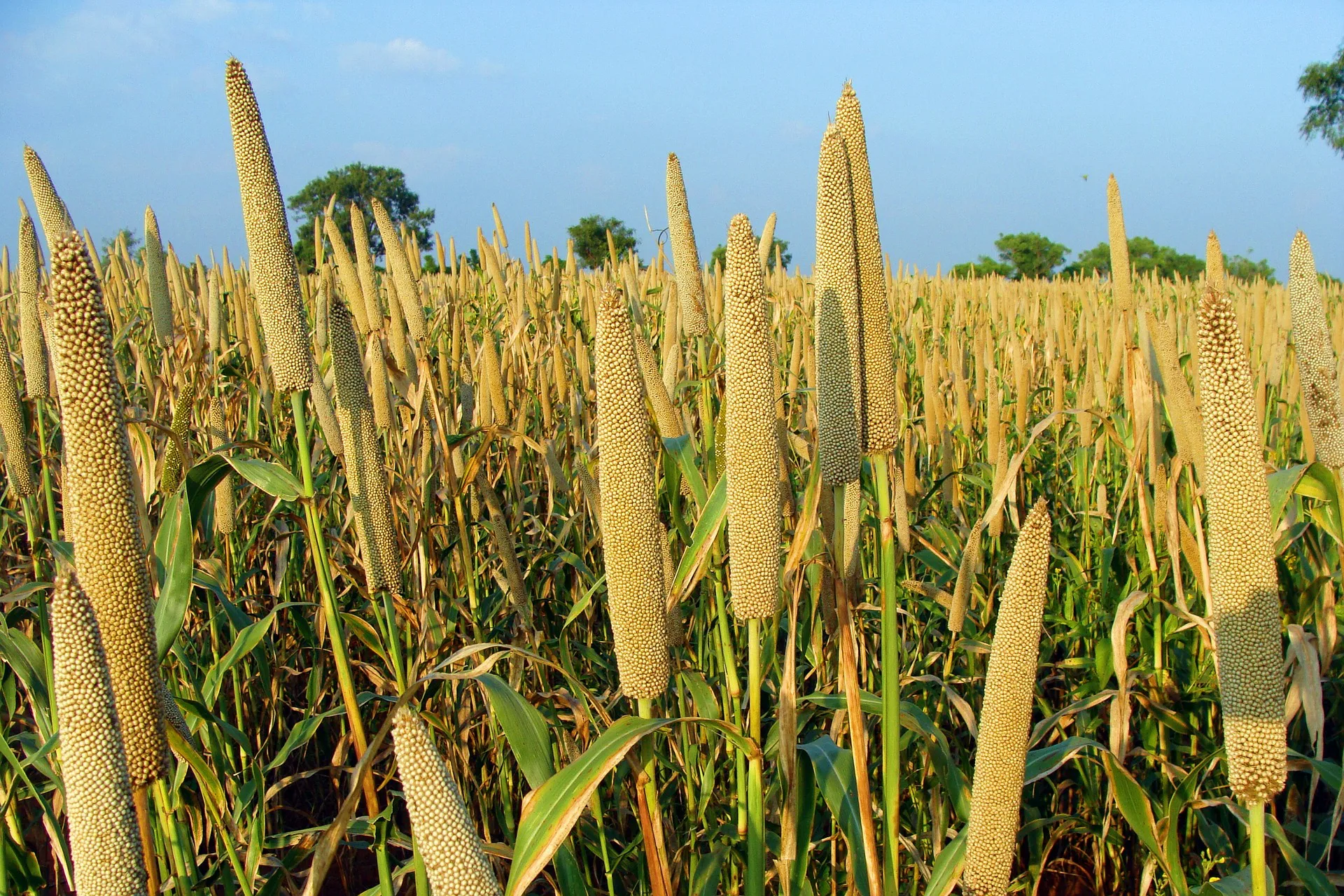
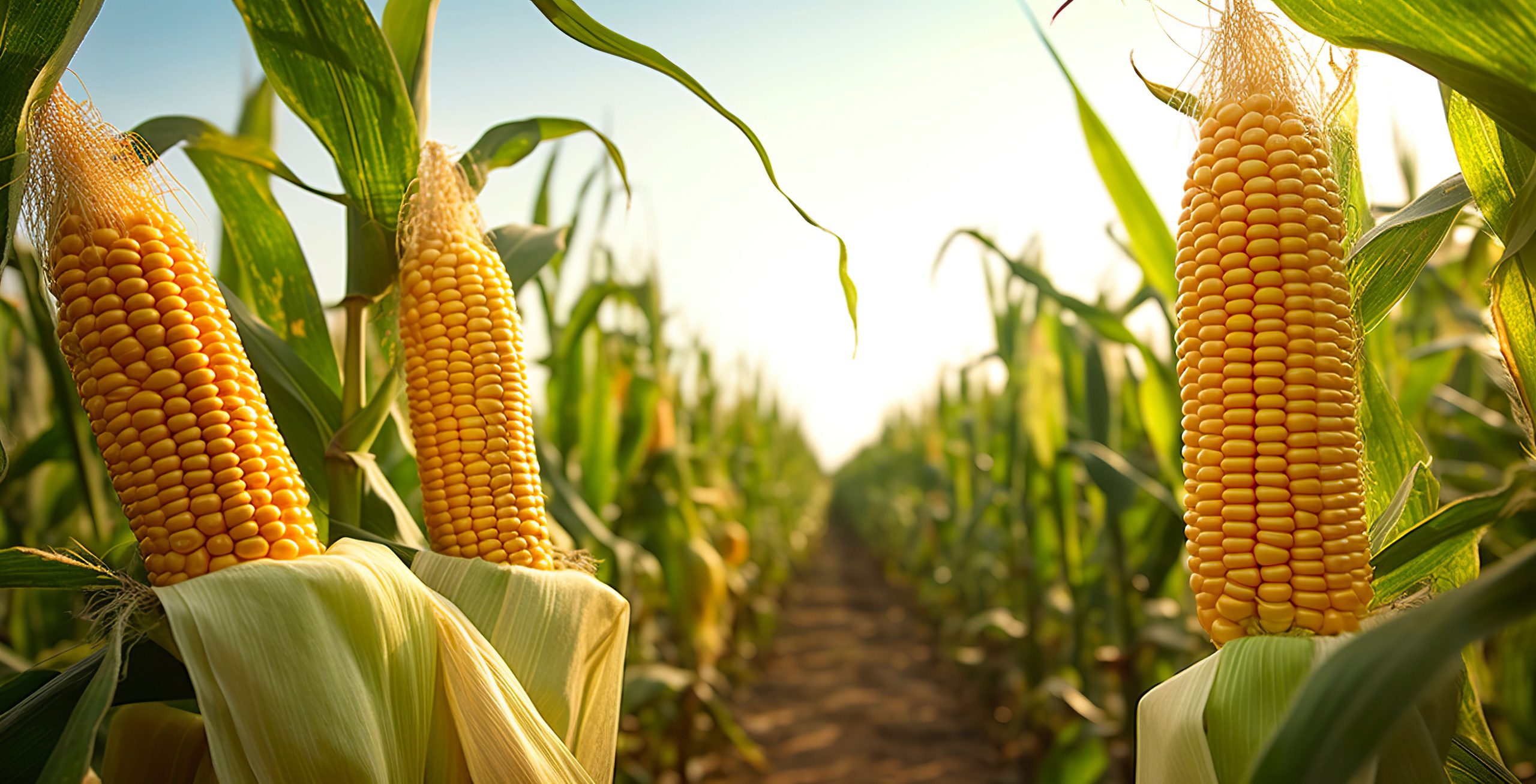
Katsina produces a wide range of food and cash crops. Staple grains include maize, sorghum, millet, rice, cowpea (beans), and groundnut. Cash crops include cotton, soybean, and sesame, with Katsina recognized as Nigeria’s largest cotton producer.
These crops support local consumption, national food security, agro-processing industries, and export markets. Government-supported irrigation and mechanization programs enhance productivity and yield quality for commercial farming.
Livestock and Poultry Farming
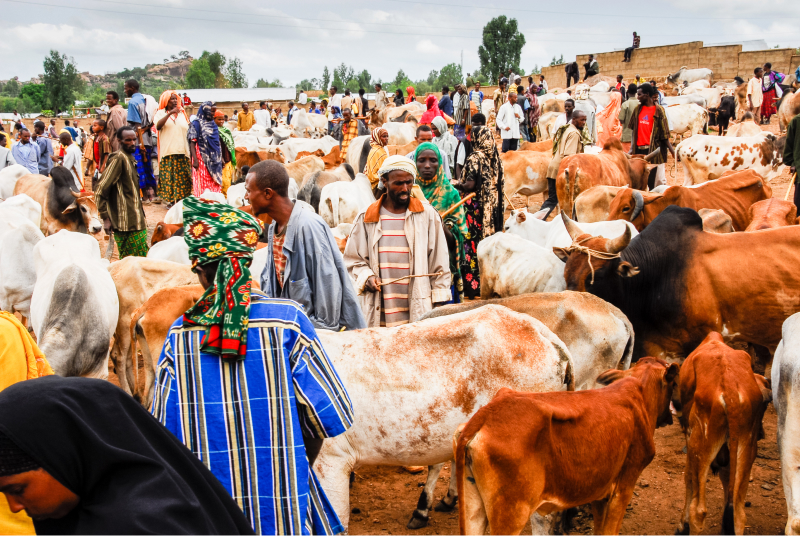
Livestock farming is a critical component of Katsina’s agriculture. Cattle, sheep, goats, and poultry are reared extensively across expansive grazing lands.
Major livestock markets such as Mai’Adua International Market and Dandume Market facilitate trading and distribution of animals and grains, while livestock activities provide inputs for agro-processing including meat, dairy, and leather production.
Government Initiatives & Agricultural Development
The Katsina State Government has implemented extensive programs to enhance agriculture, including distributing fertilizers, tractors, irrigation equipment, and farm implements. Extension services, storage facility upgrades, and digital platforms connect farmers to markets and services.
Youth empowerment initiatives, mechanization, and irrigation infrastructure improvements support both wet- and dry-season farming, strengthen staple crop production, and reduce post-harvest losses.
Agro-Processing and Value Chain Opportunities
Cotton & Groundnut Processing
Industrial & Export Potential
Maize & Rice Milling
Food Security & Commercial Use
Livestock & Leather
Meat, Dairy & Leather Supply
Irrigation & Mechanization
Enhances Year-Round Production
Agro-processing in Katsina provides opportunities for cotton ginning, groundnut oil production, rice milling, soybean processing, and leather industries. Integrating smallholder farmers into these value chains ensures sustainable supply and economic growth.
Climate, Soil & Irrigation Systems
Katsina has a predominantly savanna climate with wet and dry seasons. Fertile soils and floodplains support staple crop production and extensive livestock grazing.
Irrigation schemes, mechanization, and modern farming techniques improve crop yields and support commercial agriculture, including dry-season cultivation of rice, vegetables, and cash crops.
Major Commodity Prices in Katsina State
| Commodity | Average Price | Market Trend |
|---|---|---|
| Maize | ₦40,000 / 50kg | Stable |
| Millet | ₦38,000 / 50kg | Stable |
| Sorghum | ₦35,000 / 50kg | Stable |
| Rice | ₦50,000 / 50kg | Increasing |
| Cotton | ₦59,000 / 50kg | High Demand |
| Groundnut | ₦45,000 / 50kg | Stable |
