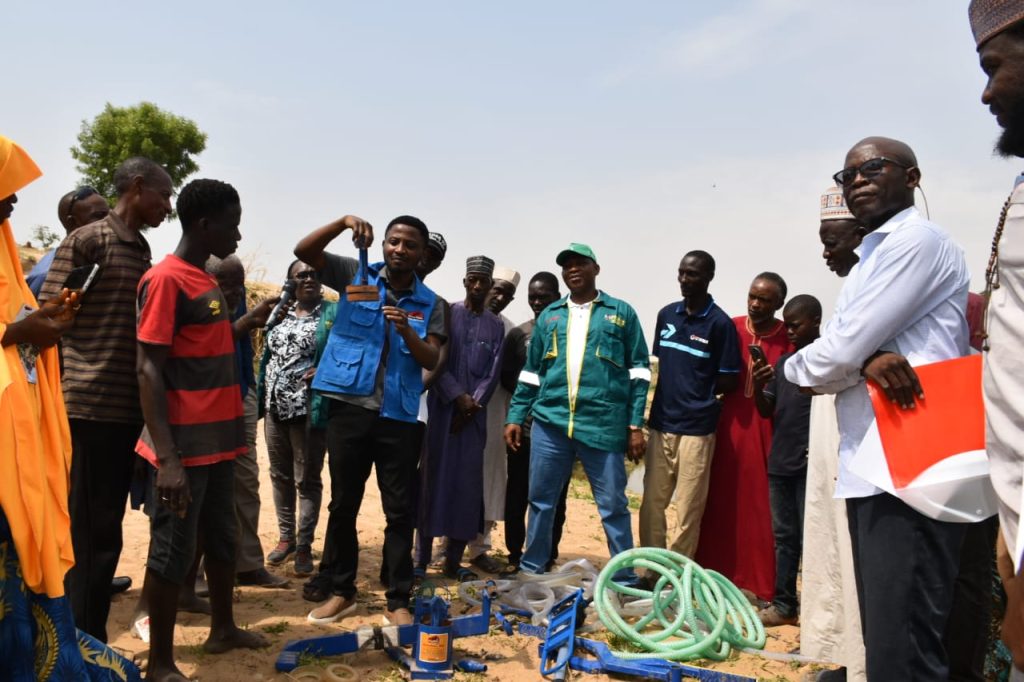
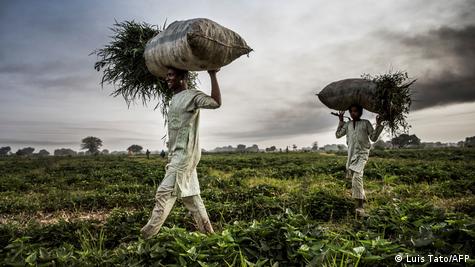
Across rural Nigeria, a subtle yet profound transformation is taking place. University graduates — trained in engineering, sociology, microbiology, political science, and other disciplines — are returning to their ancestral communities, not for ceremonial visits but to engage fully in agriculture. What was once considered a symbol of limited opportunity is now emerging as a space for innovation, reinvention, and economic survival.
For some, this shift represents a bold embrace of agri-preneurship and self-reliance. For others, it highlights a deeper systemic problem: an education-to-employment pipeline that no longer guarantees economic mobility.
A Promise That Shifted
Western education in Nigeria was institutionalized during colonial rule as a ladder to professional employment and social prestige. For decades, families invested heavily in formal education with the expectation that university degrees would secure stable government jobs, corporate roles, or international opportunities.
Framed certificates hanging in living rooms across the country remain powerful symbols of sacrifice and aspiration.
However, Nigeria’s economic landscape has changed dramatically. Public sector positions — once considered the peak of career success — have become limited and, in some cases, allegedly commodified. Reports of job seekers paying substantial sums, sometimes up to ₦4 million, to secure government employment reflect a troubling shift from merit-based recruitment to influence-driven access.
When opportunity becomes transactional, competence is sidelined. The consequences extend beyond individual frustration. Public institutions risk being staffed by individuals seeking to recover financial “investments” rather than deliver public value. This dynamic can fuel inefficiency, rent-seeking behavior, and declining public trust in governance structures.
Faced with these realities, many graduates are choosing alternative economic pathways.
Agriculture as Reinvention, Not Retreat
Returning to farming is no longer synonymous with failure. In fact, agriculture in Nigeria is undergoing transformation.
Young graduates are bringing analytical thinking, technological literacy, and business acumen into farming systems traditionally driven by inherited knowledge. They are:
-
Applying microbiology to improve soil health and crop yield
-
Using data analytics to track market prices and predict demand cycles
-
Installing mechanized irrigation and precision farming systems
-
Leveraging social media platforms for direct-to-consumer sales
-
Utilizing mobile pricing applications and commodity platforms for real-time market intelligence
This fusion of education and agriculture is reshaping rural economies. In many cases, educated farmers are earning incomes that rival or surpass entry-level salaries in the civil service.
Rather than a regression, this movement represents adaptive resilience. Education is not abandoned — it is repurposed.
Structural Misalignment at the Core
The deeper issue lies in systemic misalignment. Nigeria’s university curriculum remains heavily theoretical, while the economy demands practical, entrepreneurial, and technical skills. Graduate output far exceeds formal sector absorption capacity.
Key structural challenges include:
-
Limited industrialization and weak manufacturing capacity
-
Underdeveloped vocational and technical training systems
-
Infrastructural deficits (power, logistics, storage)
-
Policy inconsistencies affecting private sector expansion
-
Perceived lack of transparency in public recruitment
Without sufficient industry partnerships, internship pathways, or applied innovation ecosystems, many graduates enter the labor market underprepared for entrepreneurial or technical roles.
The Economic and Social Implications
This reverse migration of graduates to rural areas carries complex implications:
Positive Impacts
-
Knowledge transfer to rural communities
-
Increased agricultural productivity
-
Youth participation in agribusiness
-
Reduction in urban unemployment pressure
-
Emergence of tech-enabled farming enterprises
Persistent Risks
-
Continued underemployment among graduates
-
Brain drain if frustration persists
-
Erosion of confidence in formal education
-
Deepening inequality if job access remains monetized
Nigeria’s agricultural sector, which employs a large share of the population and contributes significantly to GDP, has long been described as undercapitalized yet high-potential. Educated youth engagement could unlock productivity gains, improve value chains, and strengthen food security — if supported by policy reforms, financing access, and infrastructure investment.
Reimagining Educational Relevance
Western education in Nigeria is not inherently obsolete. Its relevance, however, must evolve.
To bridge the gap between classroom and career, reforms should include:
-
Embedding entrepreneurship and agribusiness management into curricula
-
Expanding university-industry partnerships
-
Strengthening research commercialization pathways
-
Promoting vocational and technical excellence alongside academic degrees
-
Ensuring transparency and meritocracy in public sector recruitment
When education aligns with economic opportunity, degrees regain their promise. When competence is rewarded over financial influence, social mobility becomes attainable again.
A Defining Moment in Nigeria’s Development Story
The image of graduates returning to the farm should not be interpreted solely as decline. It reflects both systemic inefficiency and adaptive creativity. It signals a generation unwilling to remain idle, choosing productivity over prolonged unemployment.
Yet it also challenges policymakers to rethink the architecture of opportunity.
Until educational structures, labor markets, and governance systems operate in alignment, the journey from lecture hall to farmland will remain not an exception — but a defining feature of Nigeria’s evolving socio-economic landscape.