
Adamawa State Agriculture & Commodity Market Intelligence
Livestock dominance, grain production, irrigation farming, and agribusiness investment opportunities in Nigeria’s North-East.
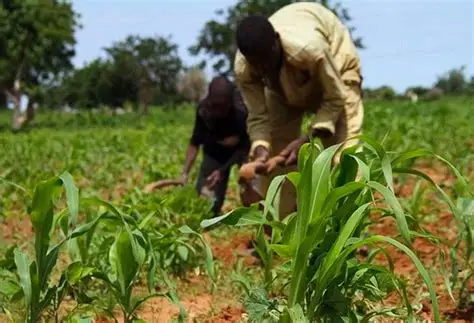
Overview of Agriculture in Adamawa State
Adamawa State is located in Nigeria’s North-East geopolitical zone and shares an international border with Cameroon, creating strong regional trade and livestock migration routes. The state features diverse topography including mountain ranges, valleys, river basins, and the Adamawa Plateau, all of which support varied agricultural activities.
Major river systems including the Benue and Gongola Rivers provide irrigation opportunities that support crop production, fishing, and livestock watering. Agriculture remains the dominant livelihood across rural communities.
Adamawa Agriculture Snapshot
Livestock Hub
Major Cattle & Dairy Producer
Grain Production
Strong Millet & Sorghum Output
River Basin Farming
Rice & Irrigation Agriculture
Cross-Border Trade
Livestock & Crop Export Routes
Major Crops Produced
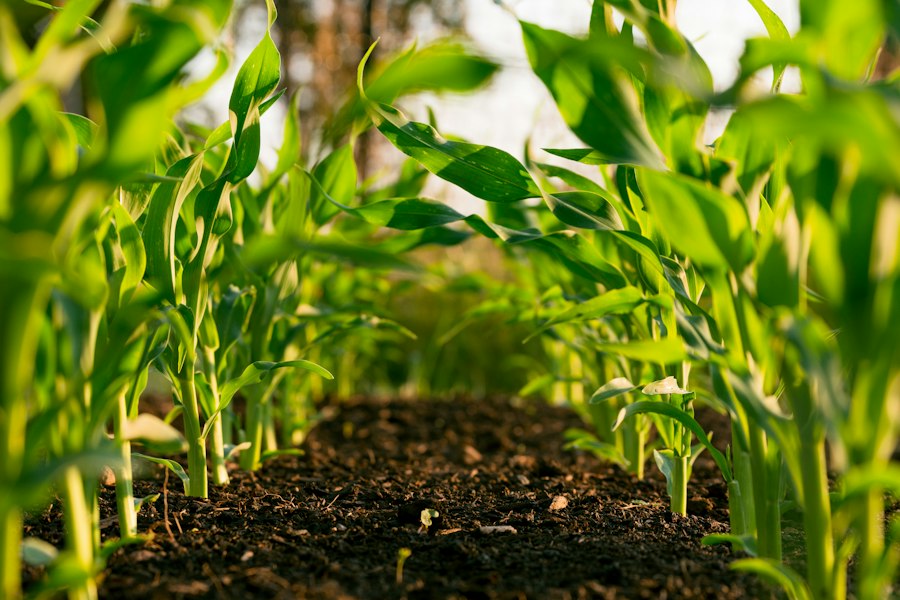
Adamawa State produces staple crops including maize, millet, sorghum, cassava, yam, and rice. These crops support food security across Northern Nigeria and regional markets.
The state is also known for commercial cultivation of cotton and groundnuts, which serve as raw materials for textile and oil processing industries. Rice production continues to expand through irrigation schemes in river basin areas.
Livestock Production & Pastoral Economy
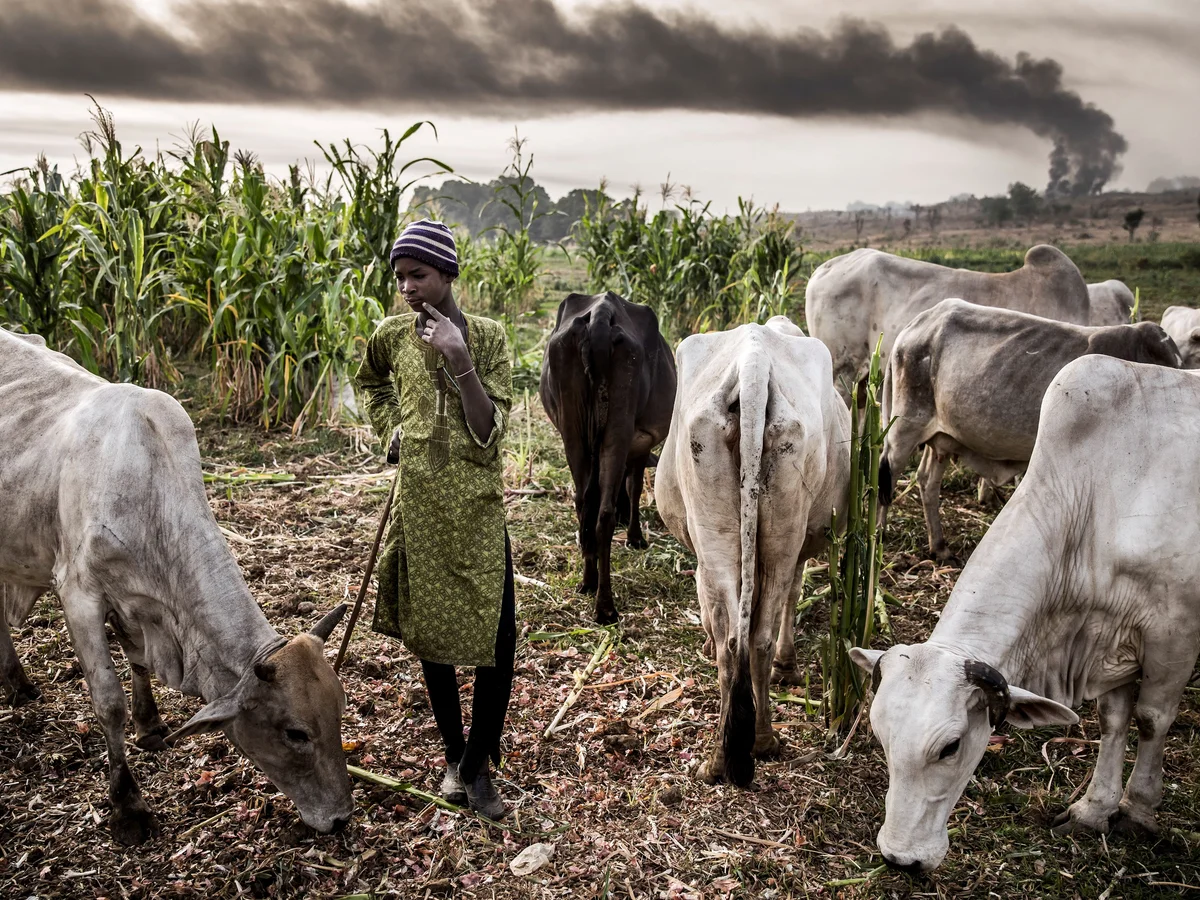
Adamawa is widely recognised as one of Nigeria’s leading livestock producing states. Large pastoral communities and grazing reserves support extensive cattle, sheep, and goat production. The livestock sector supplies meat, hides, skins, and dairy products to major Nigerian markets.
Poultry farming and small ruminant production are also expanding due to rising demand for protein across urban and rural populations.
Fishing & Aquaculture
Fishing activities thrive along major river systems. Freshwater fisheries support rural livelihoods, while aquaculture development is gradually increasing, creating opportunities for private investors and cooperative farming groups.
Agricultural Markets & Trade Networks
Adamawa benefits from strong agricultural trading activities due to its border location with Cameroon. Livestock markets serve as major supply chains connecting Nigeria with Central African markets. Grain and cotton trading hubs within the state also support agro-industrial supply chains.
The state serves as a major livestock transit corridor linking pastoral communities to urban consumption centres across Nigeria.
Agricultural Development & Investment Opportunities
Adamawa offers strong investment potential across multiple agricultural value chains, particularly in livestock processing, dairy production, irrigation farming, cotton processing, and grain storage infrastructure.
Dairy Processing
Milk Collection & Processing Facilities
Cotton Processing
Textile & Ginning Opportunities
Livestock Processing
Modern Meat Processing Facilities
Rice Irrigation
Commercial Farming Expansion
Agricultural Seasons & Production Cycle
The rainy season typically runs between May and October, supporting major grain and root crop production. Dry season irrigation farming is practiced along river basins, enabling rice and vegetable cultivation throughout the year.
Major Commodity Prices in Adamawa State
| Commodity | Average Price | Market Trend |
|---|---|---|
| Millet | ₦42,000 / 50kg | Stable |
| Sorghum | ₦38,000 / 50kg | Increasing Demand |
| Groundnut | ₦35,000 / 50kg | Processing Driven |
| Cattle | ₦550,000 / Head | High Demand |
