
Agriculture in Nigeria
Nigeria’s agriculture sector is one of the most dynamic in Africa, spanning crop production, livestock, fisheries, forestry, agro-processing, and trade. It drives food security, employment, and economic diversification.
Introduction
Agriculture has been Nigeria’s economic backbone long before crude oil. It provides livelihoods for over 50% of Nigerians and contributes about 25% to GDP. The country’s vast arable land, diverse climates, and fertile soils allow a wide range of crops and livestock production.
Smallholder farmers dominate, typically cultivating plots smaller than 2 hectares, while large-scale commercial farms are emerging, particularly in rice, maize, oil palm, and export crops. Investment in modern techniques and value chain integration is helping Nigeria move toward global competitiveness.
Key Statistics
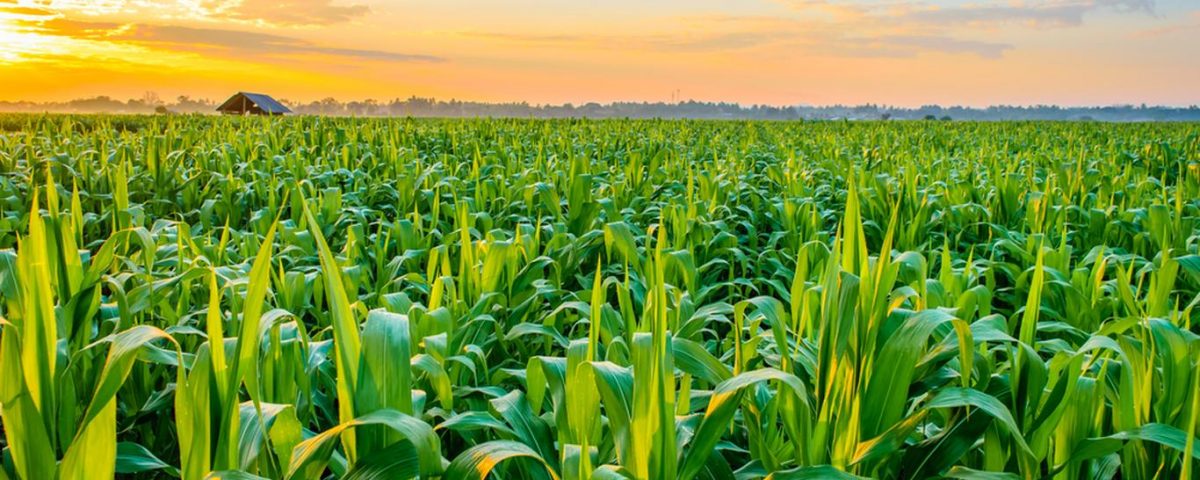
Contribution to Nigeria's GDP: Agriculture 25%, Oil & Gas 40%, Other Sectors 35%. Agriculture is the largest source of employment and supplies raw materials for industries.
Agricultural Sectors
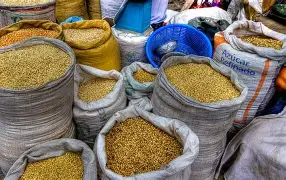
Crop Production
Cereals (rice, maize, millet), roots & tubers (cassava, yam), legumes (beans, cowpea), oilseeds, vegetables, fruits, and industrial crops like cocoa and oil palm.
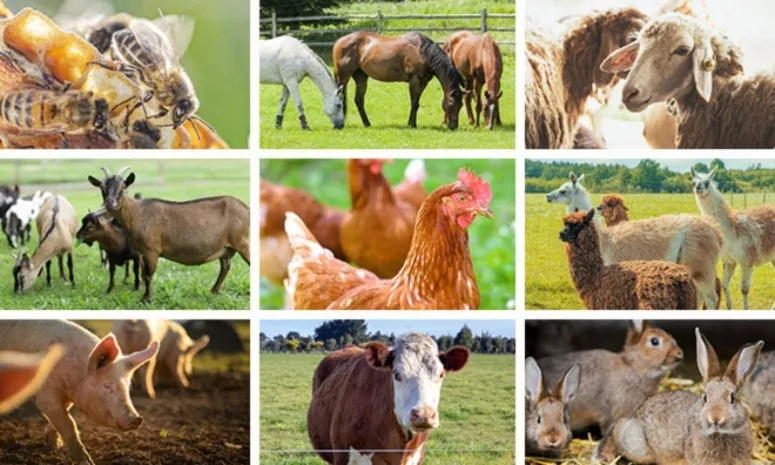
Livestock
Cattle, goats, sheep, poultry, pigs, and camels. Nigeria is a leading producer of poultry meat and eggs in West Africa.
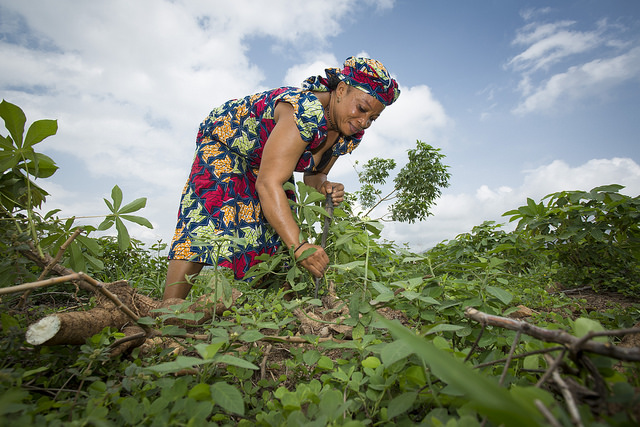
Forestry
Timber, fuelwood, medicinal plants, and non-timber forest products. Forests support biodiversity, environmental protection, and climate regulation.
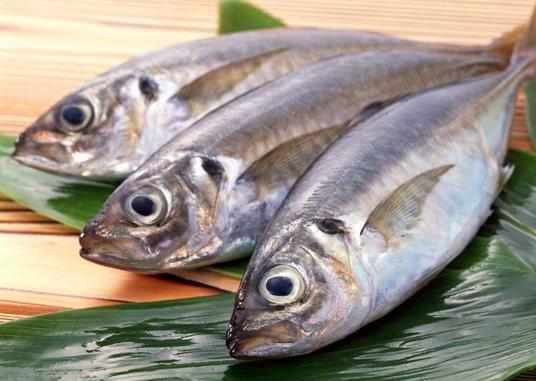
Fisheries & Aquaculture
Inland and coastal fisheries, artisanal and industrial fishing, and aquaculture (tilapia, catfish). Fisheries provide protein and jobs for millions.
Agro-Ecological Zones
- Sahel Savanna: Millet, sorghum, cowpea, livestock.
- Sudan Savanna: Groundnut, cotton, sesame, maize.
- Guinea Savanna: Yam, cassava, maize, rice, soybean.
- Derived Savanna: Cassava, maize, oil palm.
- Rainforest Zone: Cocoa, rubber, oil palm, fruits.
- Mangrove & Coastal: Fishing, rice, cassava, coconut.
Major Agricultural Commodities
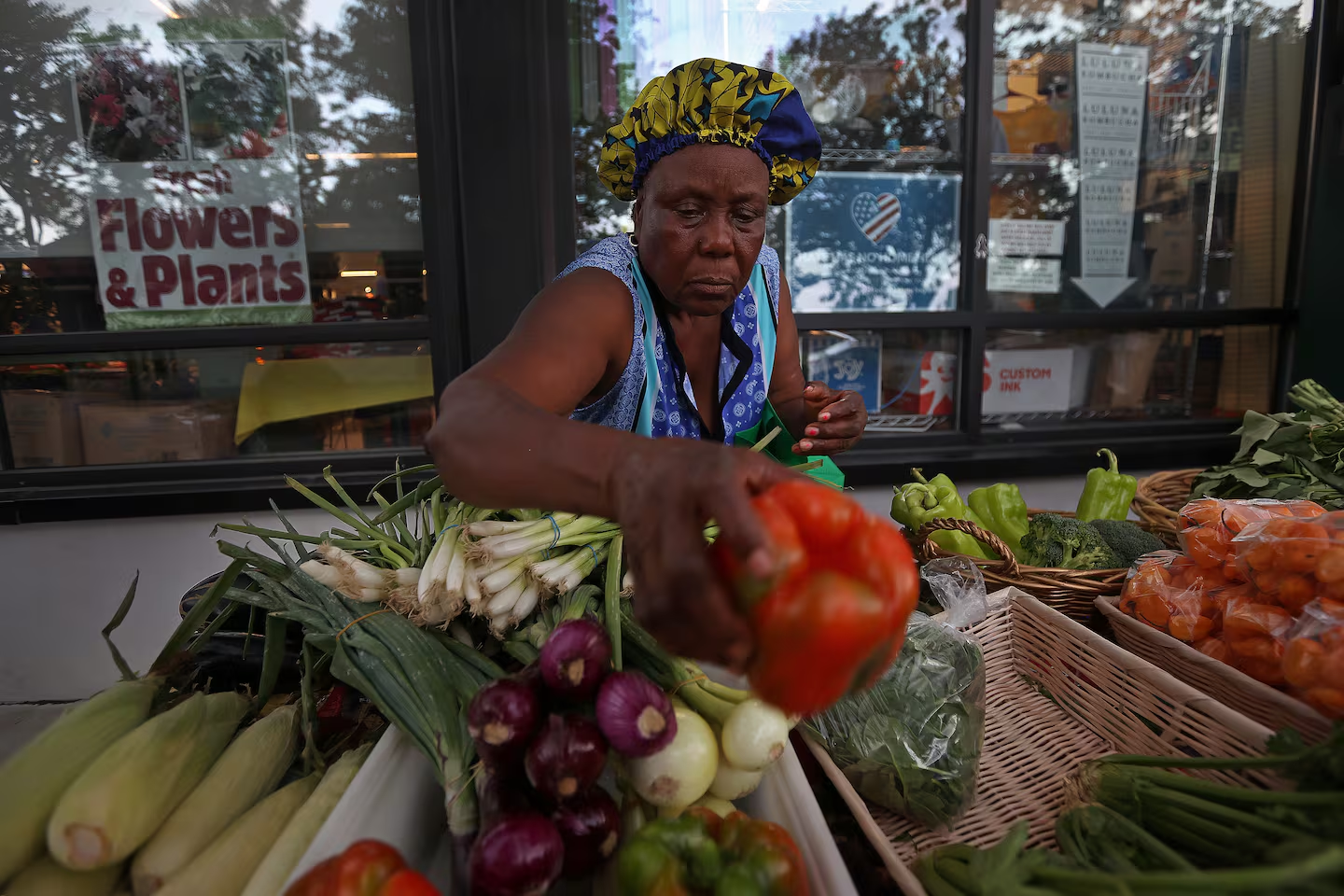
Nigeria leads globally in cassava production, and is a major producer of yam, maize, and sorghum. Cash and export crops include cocoa, cashew, sesame, ginger, oil palm, and rubber.
Government Policies & Programmes
Government initiatives such as the Anchor Borrowers’ Programme, Commercial Agriculture Credit Scheme, Fertilizer Initiative, and Green Alternative Policy boost production, access to finance, and value chain development. Investments in irrigation, mechanization, and AgTech modernization are encouraged.
Opportunities & Investment Potential
Nigeria offers opportunities in agribusiness, agro-processing, commodity trading, export farming, and digital agriculture (AgTech). Growing demand exists for halal, organic, and traceable products, cold storage, logistics, and value addition services.
Challenges
- Low mechanization and outdated practices
- Limited access to credit and financial services
- Post-harvest losses due to poor storage and transport
- Climate change: floods, droughts, desertification
- Insecurity and farmer-herder conflicts
- Poor input quality (seeds, fertilizers, agrochemicals)
The Future of Agriculture
Mechanization, smart farming, climate-resilient techniques, digital marketplaces, stronger agro-industrial zones, and accurate market data will drive growth. Integration across value chains is key to productivity and investment.
