
Borno State Agriculture & Commodity Market Intelligence
Grain production, livestock resources, fisheries development, and agribusiness investment opportunities in Nigeria’s North-East.
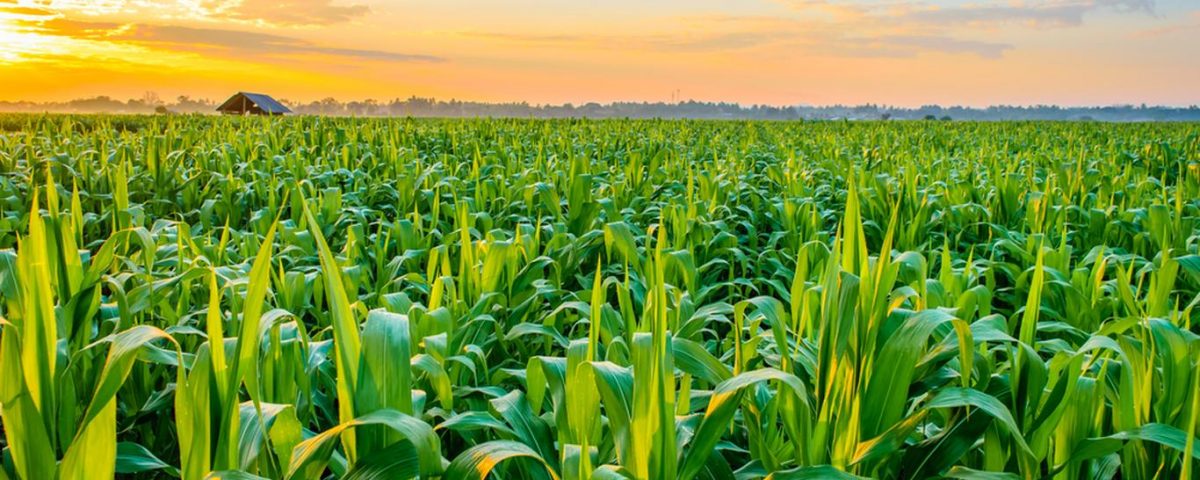
Overview of Agriculture in Borno State
Borno State is located in Nigeria’s North-Eastern region and shares international borders with Niger, Chad, and Cameroon, creating strong cross-border agricultural trade opportunities. The state features extensive savanna lands, semi-arid zones, and fertile floodplains that support diverse agricultural activities.
Major water bodies including Lake Chad and river systems such as Yobe and Ngadda rivers provide vital irrigation, fisheries, and livestock watering resources. Agriculture remains the primary economic activity and source of livelihood for the majority of residents.
Borno Agriculture Snapshot
Grain Hub
Major Millet & Sorghum Production
Lake Chad Fisheries
Large Inland Fish Supply
Livestock Resources
Cattle, Camel & Small Ruminants
Cross-Border Trade
Regional Food Supply Routes
Major Crops Produced
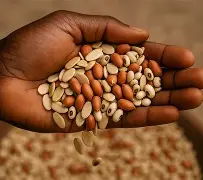
Borno State produces staple crops including millet, sorghum, maize, rice, cowpea, groundnut, sesame, and sweet potatoes. These crops contribute significantly to food supply across Northern Nigeria and neighbouring countries.
Vegetable farming is widely practiced during the dry season using irrigation along river floodplains, enabling cultivation of tomatoes, onions, peppers, and other horticultural crops.
Livestock Production & Pastoral Economy
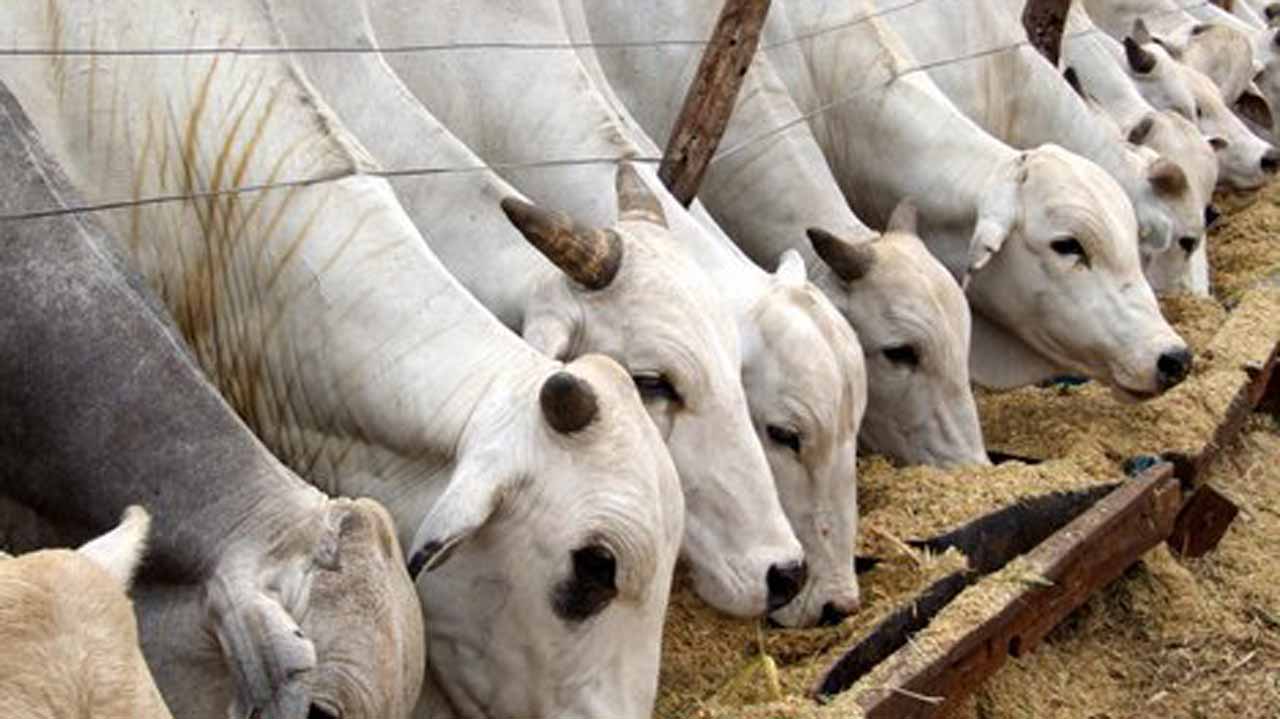
Borno State has extensive livestock populations including cattle, goats, sheep, and camels. Pastoral communities play a major role in meat and dairy supply chains serving domestic and cross-border markets.
Livestock trading remains a major commercial activity and supports rural income generation throughout the state.
Fisheries & Aquaculture Development
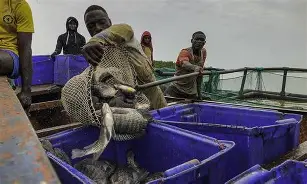
Lake Chad and associated river systems support one of Nigeria’s most important inland fisheries. Fishing provides employment, protein supply, and trade opportunities across regional markets.
Aquaculture is gradually expanding through government and private sector investments, creating new opportunities for fish farming enterprises.
Agricultural Markets & Trade Networks
Borno serves as a key agricultural trade corridor linking Nigeria with Central and West African markets. Grain, livestock, fish, and legumes are traded across border markets connecting farmers with regional supply chains.
Maiduguri serves as a major aggregation and distribution centre for agricultural commodities moving across Northern Nigeria.
Agricultural Development & Investment Opportunities
Borno offers strong agribusiness investment opportunities in irrigation farming, fisheries development, livestock processing, grain storage infrastructure, and agro-processing industries.
Rice Processing
Modern Milling Facilities
Fish Processing
Cold Chain & Preservation
Groundnut Processing
Oil & Food Processing
Irrigation Expansion
Dry Season Crop Production
Agricultural Seasons & Production Cycle
The rainy season typically runs from June to September, supporting grain and legume production. Dry season irrigation farming occurs around Lake Chad and river basins, enabling year-round vegetable and rice cultivation.
Major Commodity Prices in Borno State
| Commodity | Average Price | Market Trend |
|---|---|---|
| Millet | ₦40,000 / 50kg | Stable |
| Cowpea | ₦40,000 / 50kg | High Demand |
| Groundnut | ₦60,000 / 50kg | Processing Driven |
| Dried Fish | ₦30,000 / Carton | Export Demand |
