
Cattle Farming in Nigeria
Cattle production is one of the most economically and socially significant livestock sectors in Nigeria. It supports national beef supply, dairy production, leather processing, employment generation, rural livelihoods, and cross-border livestock trade across West Africa.
Introduction
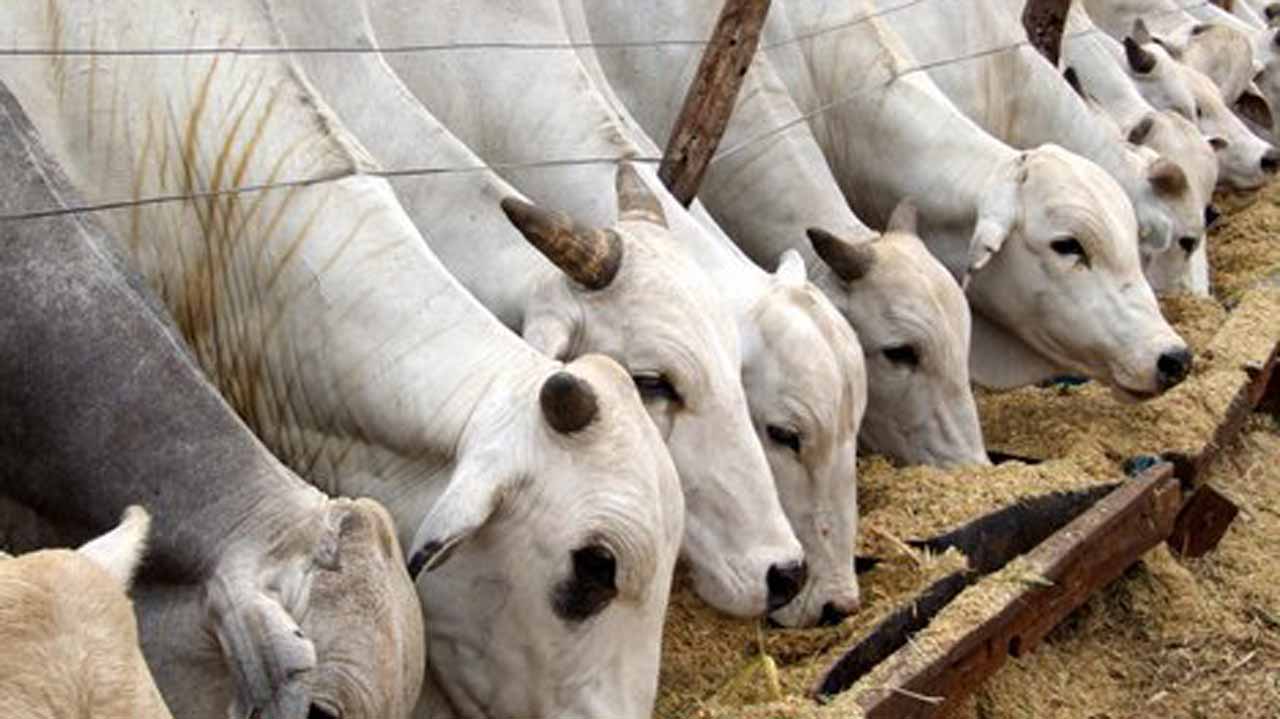
Nigeria possesses one of the largest cattle populations in Africa, with millions of heads distributed primarily across the northern regions of the country. The sector is traditionally dominated by pastoral and agro-pastoral systems, particularly among Fulani herders, who move cattle seasonally in search of pasture and water. In recent years, however, there has been increasing interest in sedentary ranching systems, feedlot operations, and commercial dairy farms as part of broader livestock modernization efforts.
Cattle farming in Nigeria plays a dual role in both subsistence and commercial agriculture. On one hand, it provides meat, milk, hides, and manure for rural communities. On the other hand, it supplies urban markets with beef and dairy products while supporting downstream industries such as leather processing, food services, cold-chain logistics, and meat packaging. The sector contributes significantly to agricultural GDP and provides employment opportunities for herders, traders, butchers, transporters, processors, and retailers across the value chain.
Major Producing States
Northern Nigeria accounts for the majority of cattle production due to its vast grazing lands and savanna ecology. However, major cattle markets and slaughter hubs are located in urban centers such as Lagos, Abuja, Port Harcourt, and Ibadan, where consumption demand is high.
Beef Production and Market Structure
Beef remains one of the most widely consumed animal proteins in Nigeria. Daily slaughter volumes in major abattoirs reflect strong and consistent demand driven by population growth and urbanization. Cattle are typically transported from northern production zones to southern consumption centers, creating a large inter-regional livestock trade network.
Pricing in the cattle market is influenced by factors such as feed availability, seasonal migration patterns, transportation costs, border trade activities, and religious festivities (especially during Eid periods when demand spikes significantly). The informal nature of much of the trade means price volatility can be high, particularly during dry seasons when pasture becomes scarce.
Dairy Production Potential
Nigeria’s dairy industry remains underdeveloped relative to its population size, resulting in substantial milk imports annually. Local dairy production is largely informal and low-yield, as indigenous breeds produce significantly less milk compared to improved breeds used globally.
However, this gap presents enormous investment potential. Improved breed development, artificial insemination programs, pasture development, feed production, and modern milk collection systems could significantly reduce Nigeria’s reliance on imported milk powder and dairy products.
Value Chain and Economic Impact
The cattle value chain extends far beyond meat production. It includes live animal trading, feed production, veterinary services, slaughtering, meat processing, hide and skin processing for leather manufacturing, and cold-chain logistics. Nigeria’s leather industry, particularly in Kano, depends heavily on cattle hides.
The livestock sector contributes billions of naira annually to the economy and plays a crucial role in rural poverty reduction. Strengthening formal market systems, traceability, and disease control could unlock even greater export potential within ECOWAS markets.
Challenges
- Farmer-herder conflicts and land-use tensions
- Low productivity due to poor breed quality
- Limited access to veterinary services
- Inadequate cold-chain infrastructure
- High feed costs during dry seasons
- Climate change and desertification pressures
Investment Opportunities
Significant opportunities exist in ranch development, commercial feedlots, dairy processing plants, milk collection centers, leather processing facilities, veterinary pharmaceuticals, and livestock insurance schemes. Digital livestock trading platforms and structured commodity exchanges could also enhance transparency and efficiency in pricing.
With rising protein demand and population growth, modernizing cattle production systems is critical for Nigeria’s long-term food security and agribusiness competitiveness.
