
How to Start Palm Oil Production in Nigeria
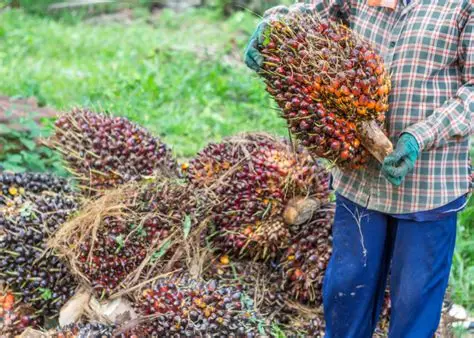
Palm oil production is one of the most important agricultural industries in Nigeria and across West Africa. Palm oil is extracted from the fruit of the oil palm tree and is widely used for cooking, food processing, soap manufacturing, cosmetics, and biodiesel production. Because of its wide industrial applications and high demand both locally and internationally, palm oil production offers significant opportunities for investors and farmers.
Oil palm trees thrive in humid tropical climates and can remain productive for over 20 years when properly managed. However, establishing a palm plantation requires patience because the trees usually begin producing fruit approximately three years after planting.
Climate and Soil Requirements
Oil palm trees require high rainfall, warm temperatures, and fertile soils. The crop grows best in areas that receive more than 1,500 millimeters of rainfall annually. Deep loamy soils rich in organic matter are ideal for palm cultivation because they support strong root development and nutrient uptake.
Step 1: Land Preparation and Nursery Establishment
Palm oil production typically begins with the establishment of nurseries where young seedlings are raised before being transplanted to the field. Farmers usually obtain high-yield hybrid seedlings from agricultural research institutes or certified nurseries.
Step 2: Transplanting Oil Palm Seedlings
Seedlings are transplanted to the main plantation when they are about 12 months old. The recommended spacing is usually about 9 meters between trees arranged in a triangular pattern to allow maximum sunlight exposure.
Step 3: Plantation Management
Maintaining an oil palm plantation involves regular weeding, fertilizer application, and pest control. Organic manure and NPK fertilizers are commonly applied to maintain soil fertility and support healthy fruit development.
Step 4: Harvesting Palm Fruits
Palm fruits grow in bunches known as fresh fruit bunches. Harvesting usually begins three to four years after planting and continues throughout the productive life of the plantation. Harvested fruits must be processed quickly to prevent deterioration.
Step 5: Palm Oil Processing
Processing palm fruits into crude palm oil involves several stages including sterilization, threshing, digestion, pressing, clarification, and drying. These processes separate the oil from the fruit pulp and produce crude palm oil ready for sale or further refining.
Marketing Palm Oil
Palm oil is sold to local markets, food processing companies, soap manufacturers, and export buyers. Because demand for palm oil continues to grow globally, the industry remains one of the most promising agribusiness opportunities in Nigeria.
