
How to Start Livestock Feed Production in Nigeria
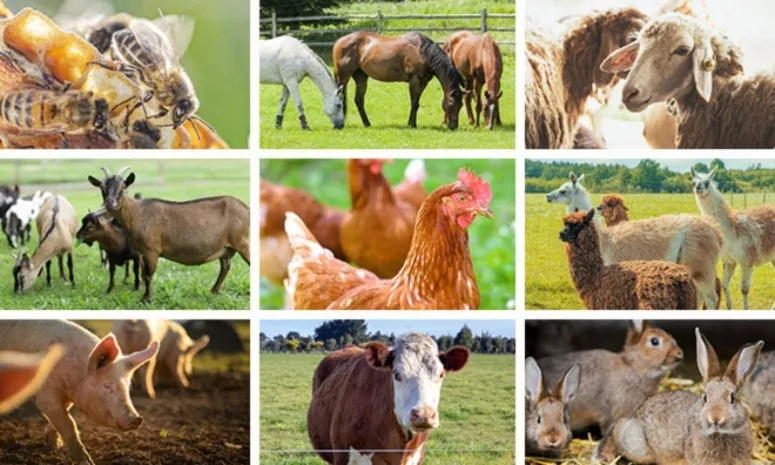
Livestock feed production is one of the most strategic and high‑growth agribusiness opportunities in Nigeria today. With the poultry, fish, piggery, and cattle sectors expanding rapidly, demand for quality, well‑formulated animal feed continues to rise. Unlike livestock farming where production can be slow and capital‑intensive, feed production focuses on compounding nutrient‑balanced diets for animals — and feed remains one of the highest recurring cost items in livestock production, making feed producers essential partners in the livestock value chain. :contentReference[oaicite:1]{index=1}
Livestock feeds include diets formulated for poultry, cattle, fish, goats, pigs, rabbits, and even pets. Each type requires specific formulations designed to meet the nutritional requirements of the target animal group. :contentReference[oaicite:2]{index=2}
1. Understand the Livestock Feed Market in Nigeria
The feed market in Nigeria is large and diversified, serving poultry, fish, pig farms and ruminant livestock. Commercial feed mills produce millions of tonnes of animal feed yearly, while many smaller mills and on‑farm producers supply local and regional markets. Demand is driven by population growth, increased meat consumption, growth in the poultry sector, and expansion of commercial livestock production. :contentReference[oaicite:3]{index=3}
Market segments include:
- Poultry feed (starter, grower, finisher, layer)
- Fish feed formulations
- Cattle and ruminant feed
- Pet and specialist feeds
These products can be sold directly to livestock farms, feed distributors, cooperatives, and agricultural supply stores.
2. Develop a Business Plan
A well‑written business plan helps define your production scale, target markets, financial projections, cost structure, and growth strategy. It should include:
- Market analysis and customer segmentation
- Projected costs for equipment, facilities and labor
- Raw material supply chain and pricing
- Production capacity forecasts
- Marketing and distribution strategy
- Projected revenue and profitability
Starting with a clear plan allows you to estimate capital needs and attract investors or financing if needed. :contentReference[oaicite:4]{index=4}
3. Legal Registration and Licensing
Register your business with the **Corporate Affairs Commission (CAC)** and obtain a Tax Identification Number. For feed production, additional licenses from regulatory bodies such as the **National Agency for Food and Drug Administration and Control (NAFDAC)** and the **Standards Organisation of Nigeria (SON)** are often required to ensure your product meets safety and quality standards. :contentReference[oaicite:5]{index=5}
4. Source Raw Materials and Ingredients
Raw materials make up the bulk of the cost and quality of animal feed. Common ingredients used by Nigerian feed producers include:
- Maize and corn grits — energy source
- Soya bean meal — protein
- Wheat offal — protein/carbohydrate
- Fish meal and bone meal — protein and minerals
- Palm kernel cake, groundnut cake — fibre and protein
- Oyster shells and limestone — calcium sources
- Vitamin and mineral premixes
Selecting high‑quality ingredients is essential to produce nutritious feeds that support growth and health. :contentReference[oaicite:6]{index=6}
5. Feed Formulation and Recipe Development
Feed formulation is the science of blending raw materials into a balanced diet that meets the nutritional needs of a specific animal category. This often requires consultation with an animal nutritionist or use of feed formulation software. Formulas differ for poultry starter feed, grower feeds, layer feeds, fish feeds, and cattle feeds. :contentReference[oaicite:7]{index=7}
Professional nutritionists use nutrient tables and cost‑optimization techniques to develop formulas that ensure:
- Balanced levels of protein, carbohydrates, fats, vitamins, and minerals
- Feed efficiency (optimal growth per unit of feed)
- Reduced feed waste
6. Facilities and Equipment
To operate a feed production business, you’ll need a combination of raw material storage, production space, and machinery such as:
- Feed grinders and crushers
- Mixers (horizontal or vertical)
- Pelletizers and coolers if producing pelleted feed
- Weighing scales, conveyors and elevators
- Packaging machines and bag sealers
- Storage bins for ingredients and finished product
The choice of equipment depends on the scale of operation — from small semi‑automated mills to fully automated feed lines. :contentReference[oaicite:8]{index=8}
7. Production Process
Livestock feed production typically follows these core steps:
- Weighing: Raw ingredients are weighed based on the feed formula.
- Grinding: Ingredients like maize and soybeans are reduced to uniform particle size.
- Mixing: Ground ingredients are blended to create a balanced mash.
- Pelleting (optional): Some producers pellet the mash to improve feed density and reduce waste.
- Cooling: Pellets, if produced, are cooled before packaging.
- Packaging: Finished feed is bagged and labeled for distribution.
This production flow ensures consistent quality and nutrient composition across batches. :contentReference[oaicite:9]{index=9}
8. Quality Control
Quality assurance is critical — feed must meet nutritional specifications and be free from contaminants (e.g., molds, toxins). Regular testing of raw ingredients and finished feed ensures product quality and builds trust with customers. :contentReference[oaicite:10]{index=10}
9. Marketing and Distribution
Livestock feeds can be sold through:
- Direct supply to poultry and livestock farms
- Agro‑input stores or feed distributors
- Branded packaged feeds for retail markets
- Partnerships with cooperatives and large commercial farms
Offering different bag sizes (small retail sizes and bulk packs) helps you reach a wider customer base. Early marketing strategies include product demonstrations, free sample distributions, and partnerships with feed‑credit schemes for smallholder farmers. :contentReference[oaicite:11]{index=11}
10. Scaling and Innovation
Once established, the business can scale by:
- Introducing new feed products (e.g., medicated feeds, starter feeds, fish feeds)
- Investing in automatic production lines
- Exporting to neighbouring markets
- Providing consultancy and formulation services to farms
Continued investment in product quality, branding, customer service, and efficient logistics helps maintain competitiveness.
