
How to Start Maize Farming in Nigeria
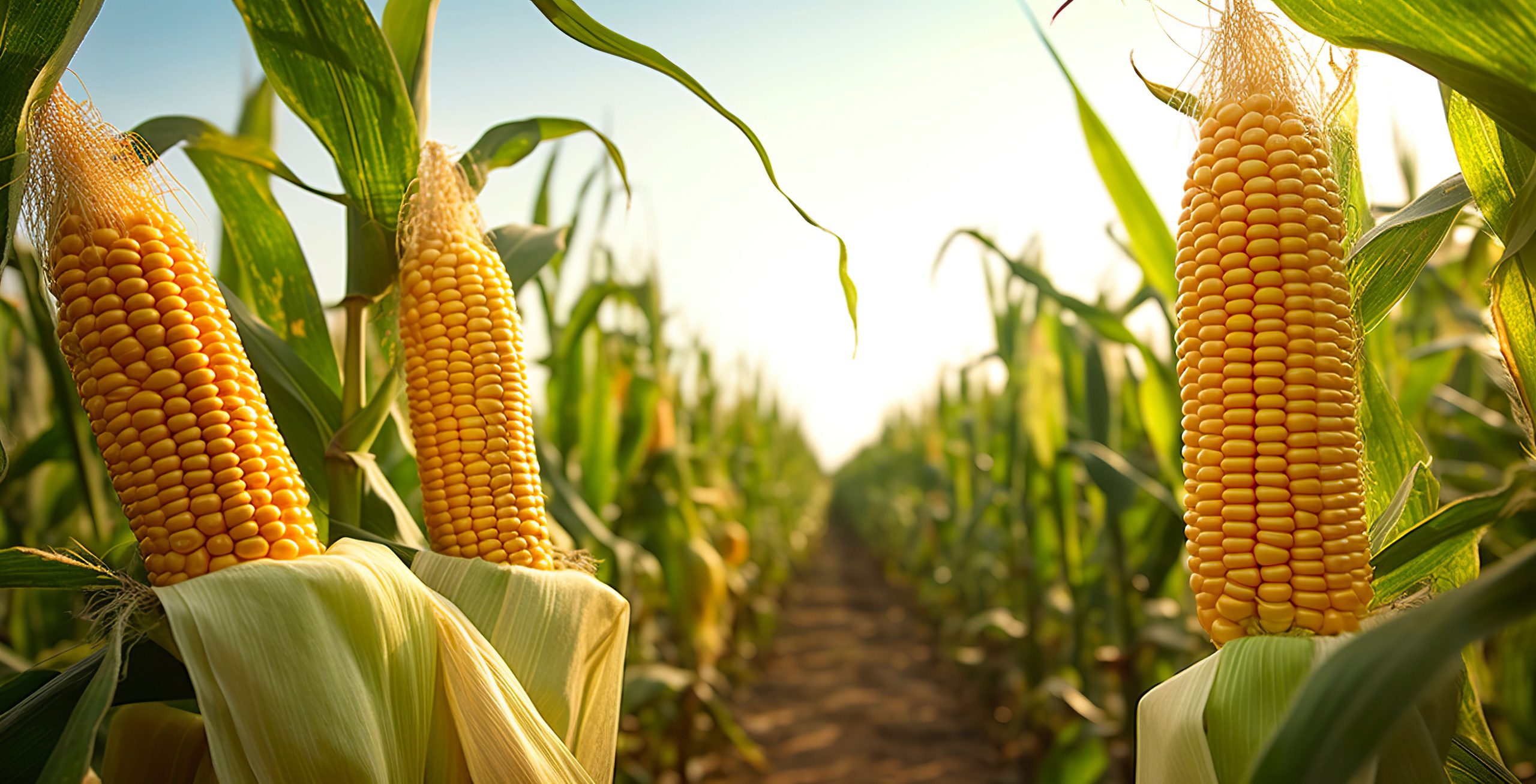
Maize (Zea mays), commonly called corn in some countries, is one of the most widely cultivated cereal crops in Nigeria and serves as a key staple food and industrial raw material. It is consumed as human food in dishes like pap, moi‑moi, and eko, and also used as a primary ingredient in livestock feed formulations. The expanding poultry and aquaculture sectors make maize a high‑demand crop with strong market uptake throughout the country.
Maize is among the few crops that can fit into short cropping cycles (about 3‑4 months), enabling multiple harvests per year in areas with sufficient rainfall or irrigation. This characteristic makes maize valuable for small‑scale farmers as well as commercial operations.
1. Climate and Soil Requirements
Maize grows best in areas with annual rainfall between 500–1100 mm. In Nigeria, major maize belts include states such as Kaduna, Benue, Taraba, Nasarawa, and Kwara. Warm temperatures ranging from 20°C to 30°C promote vigorous growth. Maize thrives on well‑drained loamy or sandy loam soils with organic matter and a pH between 5.8–7.0. Water‑logged heavy clay soils are generally unsuitable because they restrict root growth and increase susceptibility to diseases.
2. Maize Varieties to Choose
Selecting the right variety plays a central role in achieving high yields. Farmers can select from improved varieties released by research institutes and seed companies. Some recommended maize varieties include:
- Oba Super 1
- Sammaz 15
- TcM 13
- Improved OPEN‑POLLINATED VARIETIES (OPVs) like TZB
Improved varieties generally mature faster, have better stress tolerance, and produce higher grain yields compared to traditional local varieties.
3. Land Preparation
Proper land preparation enhances seed‑soil contact, improves water infiltration, and reduces weed pressure. Steps include:
- Clearing: Remove bushes, debris, and previous crop residues from the field.
- Ploughing: Use a disc plough or tractor to break up compacted soil.
- Harrowing: Level the field to create a fine seedbed.
At this stage, soil tests can be conducted to determine nutrient status and fertilizer requirements.
4. Planting and Spacing
Plant maize at the onset of the rainy season for rain‑fed farms. For areas with irrigation, planting can be scheduled throughout the year. Use proper spacing to optimize plant growth and reduce competition for resources.
| Stage | Spacing | Description |
|---|---|---|
| Seed planting | 75cm × 25cm | 75cm between rows, 25cm between hills |
| Population per hectare | ~53,000–66,000 plants | Varies with recommended agronomy practices |
Plant seeds 3–4 cm deep so they can emerge easily after germination.
5. Fertilizer Application
Maize responds well to balanced fertilizer application. A typical recommendation includes applying: NPK 15‑15‑15 at planting and supplementing with urea (nitrogen source) 3–4 weeks after emergence to promote vigorous vegetative growth.
Fertilizer rates may differ by soil type and crop history, so it’s good practice to base applications on soil test results where possible.
6. Weed Control and Intercultural Practices
Weed control is vital during the first 6–8 weeks after planting, as weeds can significantly reduce yield by competing for nutrients and sunlight. Weed control strategies include:
- Manual weeding with hoes
- Herbicide application (pre‑emergence and post‑emergence)
- Intercropping with legumes to suppress weed growth
Intercropping maize with legumes (like cowpea) can also improve soil fertility through nitrogen fixation by the legume crop.
7. Pest and Disease Management
Major pests include armyworms, stem borers, and aphids. Common diseases include maize streak virus and leaf blight. Control measures involve:
- Regular field scouting
- Timely application of approved pesticides
- Use of resistant maize varieties
Follow label instructions and safety guidelines when applying chemicals.
8. Irrigation and Water Management
In rain‑fed systems, maize depends on rainfall distribution patterns. In dry areas or during dry spells, supplemental irrigation ensures continuous growth, especially during flowering and grain‑filling stages.
9. Harvesting and Post‑Harvest Handling
Maize is ready for harvest when the grain moisture content drops to about 20–25% and ears begin to dry. This typically occurs around 90–120 days after planting, depending on variety and growing conditions.
After harvesting:
- Shell the maize cobs
- Dry kernels under shade to reduce moisture content to 12–14%
- Store in clean, dry, pest‑free conditions
10. Marketing Maize
Market demand for maize remains high due to its usage in livestock feeds, human consumption, and industrial processing. Farmers can sell maize in bulk to:
- Feed millers
- Grain aggregators
- Local markets and traders
Higher prices are often available outside peak harvest seasons when supplies are low.
