
How to Start Poultry Farming in Nigeria
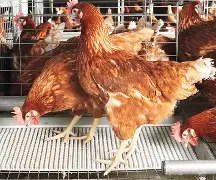
Poultry farming is one of the most developed livestock industries in Nigeria. It involves raising domesticated birds such as chickens, turkeys, and ducks for egg and meat production. Poultry products are widely consumed across the country and play an important role in providing affordable animal protein for millions of households. Because of the consistent demand for eggs and poultry meat, poultry farming is considered one of the most profitable agribusiness ventures for small and large scale farmers.
The Nigerian poultry industry has grown rapidly in recent decades due to urbanization, population growth, and increasing demand for protein-rich foods. Farmers can start poultry production on a small scale with a few hundred birds and gradually expand operations as experience and capital increase. Successful poultry farming requires careful planning, good housing systems, proper feeding programs, and effective disease control measures.
Step 1: Choose a Poultry Production System
The first step in poultry farming is selecting the production system. Farmers can specialize in broiler production, which focuses on raising chickens for meat, or layer production, which focuses on raising hens for egg production. Broiler chickens grow rapidly and are usually ready for market within six to eight weeks, while layer birds begin producing eggs at around five months of age and can lay eggs for over a year.
Step 2: Poultry Housing
Proper housing is essential for protecting birds from harsh weather conditions, predators, and disease. Poultry houses should be well ventilated to allow fresh air circulation and maintain a comfortable temperature. Overcrowding should be avoided because it can cause stress, increase disease risk, and reduce productivity.
Step 3: Feeding and Nutrition
Birds require balanced feed containing protein, carbohydrates, vitamins, and minerals. Poultry feed is usually categorized into starter, grower, and finisher diets depending on the stage of development. Providing quality feed is critical because it directly affects growth rate, egg production, and overall health.
Step 4: Disease Prevention and Vaccination
Disease outbreaks can cause significant losses in poultry farming. Farmers must follow vaccination schedules to prevent diseases such as Newcastle disease, infectious bursal disease, and fowl pox. Good sanitation practices, proper waste management, and controlled farm access are also essential for preventing disease transmission.
Step 5: Marketing Poultry Products
Poultry farmers can sell eggs and chicken meat to local markets, supermarkets, restaurants, and food processing companies. Establishing reliable marketing channels ensures steady income and reduces the risk of unsold products.
