
How to Start Rice Farming in Nigeria
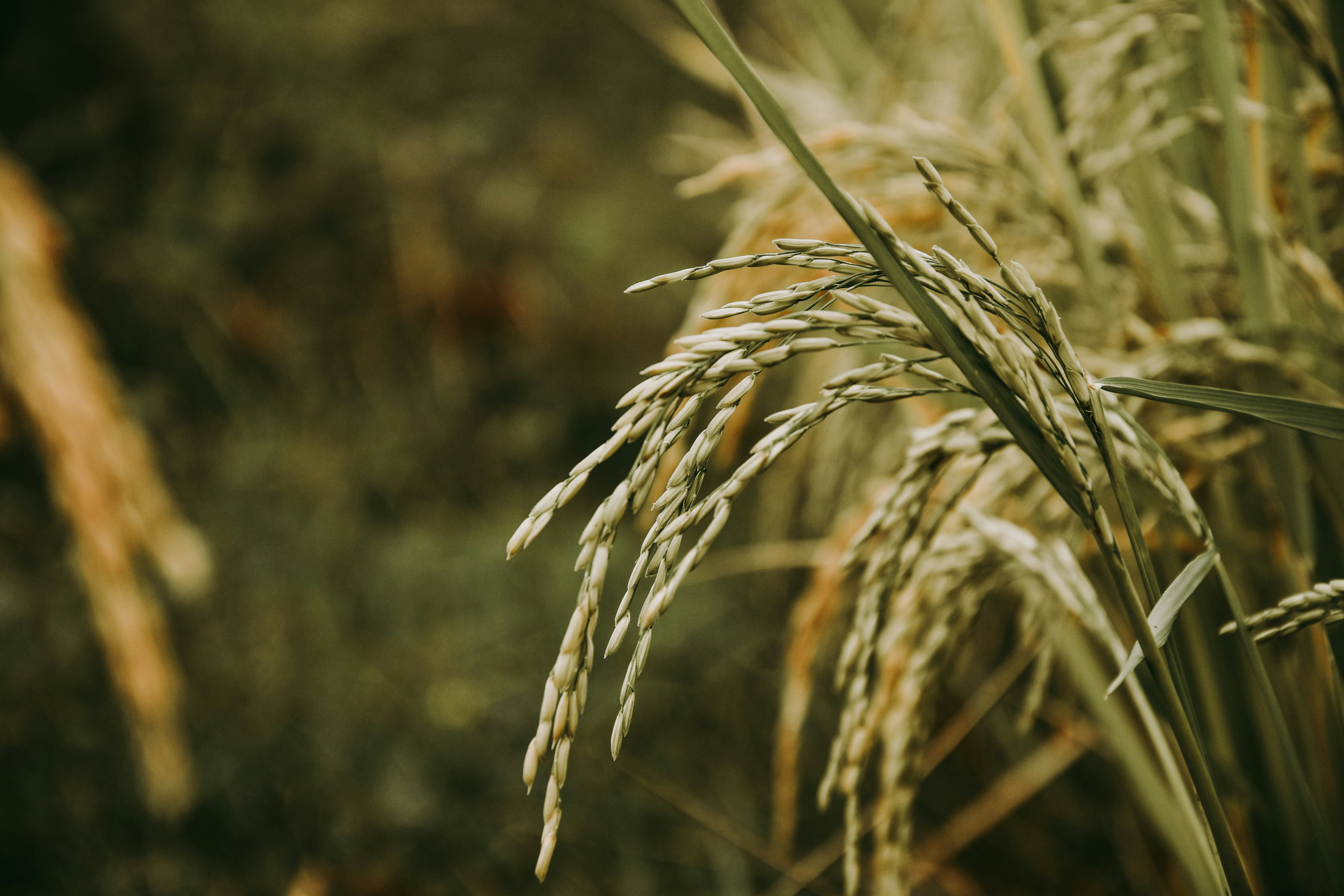
Rice farming is one of the most important agricultural activities in Nigeria because rice is a staple food consumed by millions of people daily. Nigeria is one of the largest consumers of rice in Africa, yet local production still struggles to meet national demand. This gap creates significant opportunities for farmers and agribusiness investors to enter the rice production sector.
Rice farming can be highly profitable when farmers apply modern agricultural practices such as improved seed varieties, irrigation management, pest control, and efficient harvesting techniques. With proper planning and investment, farmers can produce high yields and supply rice to local markets, milling companies, and food processors.
Table of Contents
- Understanding Rice Farming
- Step 1: Conduct Market Research
- Step 2: Select Suitable Farmland
- Step 3: Choose High-Yield Rice Varieties
- Step 4: Land Preparation
- Step 5: Planting Methods
- Step 6: Fertilizer Application
- Step 7: Pest and Weed Management
- Step 8: Irrigation and Water Management
- Step 9: Harvesting
- Step 10: Processing and Marketing
Understanding Rice Farming in Nigeria
Rice cultivation in Nigeria is practiced under two main systems: upland rice farming and lowland rice farming. Upland rice farming relies mainly on rainfall and is practiced in areas with moderate rainfall. Lowland rice farming, on the other hand, involves cultivation in flooded fields and irrigated plains where water levels can be controlled.
Major rice producing states in Nigeria include Kebbi, Kano, Ebonyi, Niger, Nasarawa, and Benue. These regions have favorable climatic conditions, fertile soil, and access to water sources necessary for rice cultivation.
Step 1: Conduct Market Research
Before starting rice farming, it is important to understand the rice market in your region. Farmers should identify potential buyers such as local rice mills, wholesalers, grain merchants, and retail markets. Market research helps farmers understand price trends, demand cycles, and potential profit margins.
Step 2: Select Suitable Farmland
Rice grows best in fertile soils that retain water well. Clay and loamy soils are ideal because they support proper water retention necessary for rice cultivation. Farmers should also ensure the land is located near a reliable water source such as a river, stream, or irrigation canal.
Step 3: Choose High-Yield Rice Varieties
Using improved rice varieties significantly increases productivity. Some of the most commonly cultivated rice varieties in Nigeria include:
- FARO 44
- FARO 52
- NERICA varieties
- FARO 57
These varieties are preferred because they produce higher yields, mature faster, and are resistant to many pests and diseases.
Step 4: Land Preparation
Proper land preparation is essential for successful rice farming. The process typically includes clearing bushes and trees, ploughing the soil to loosen it, harrowing to break soil clods, and leveling the field to ensure uniform water distribution.
Step 5: Planting Methods
Rice can be planted using two main methods: broadcasting and transplanting. Broadcasting involves scattering seeds directly on the field, while transplanting involves raising seedlings in a nursery and later transferring them to the main field.
Transplanting often produces higher yields because plants are spaced properly and compete less for nutrients.
Step 6: Fertilizer Application
Rice requires adequate nutrients for optimal growth. Farmers usually apply fertilizers such as NPK and urea to improve plant growth and grain production. Organic manure such as compost can also be used to improve soil fertility.
Step 7: Pest and Weed Management
Weeds compete with rice plants for nutrients, water, and sunlight. Farmers should carry out regular weeding using manual tools or herbicides. Pest control is also important to prevent damage caused by insects such as stem borers and rice bugs.
Step 8: Irrigation and Water Management
Rice requires adequate water supply throughout the growing season. Farmers practicing lowland rice farming must maintain shallow water levels in the field to support healthy plant growth.
Step 9: Harvesting
Rice typically matures between 100 and 140 days after planting depending on the variety used. Harvesting should begin when rice grains turn golden yellow and moisture levels decrease.
Step 10: Processing and Marketing
After harvesting, rice grains must be threshed, dried, milled, and packaged before reaching consumers. Farmers can sell paddy rice to milling companies or process it themselves to increase profit margins.
Profit Potential of Rice Farming
With proper farm management, one hectare of rice farmland can produce between 4 and 7 tons of paddy rice. As local rice consumption continues to grow in Nigeria, rice farming remains one of the most promising agricultural businesses for both small-scale farmers and commercial investors.
