Poultry farming is one of the fastest-growing agricultural businesses in Nigeria. With the increasing demand for affordable protein such as chicken meat and eggs, poultry farming has become a reliable source of income for thousands of farmers across the country. From small backyard operations to large commercial farms, poultry production plays a critical role in Nigeria’s food supply and agricultural economy.
For beginners who want to start a poultry business, understanding the right methods and management practices is essential. Poultry farming may look simple, but success requires proper planning, quality inputs, good hygiene, and effective marketing. Farmers who understand these factors are more likely to build a profitable and sustainable poultry business.
This guide explains everything a beginner needs to know about poultry farming in Nigeria, including the types of poultry farming, how to start, housing requirements, feeding practices, disease prevention, and marketing strategies.
Understanding Poultry Farming
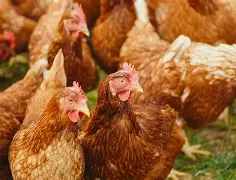
Poultry farming refers to the rearing of domesticated birds such as chickens, turkeys, ducks, and guinea fowls for the purpose of producing meat or eggs. In Nigeria, chicken farming dominates the poultry sector because chickens grow quickly, are easy to manage, and have a very large market.
Poultry production in Nigeria is generally divided into two main categories: broiler farming and layer farming. Each category serves a different purpose and requires different management practices.
Broiler farming focuses on raising chickens specifically for meat production. Broiler birds grow very quickly and can reach market size within six to eight weeks when properly managed. This makes broiler farming attractive for farmers who want faster returns on investment.
Layer farming, on the other hand, focuses on egg production. Layers are chickens that are raised primarily for laying eggs rather than meat. These birds usually begin laying eggs at around eighteen to twenty weeks of age and can continue producing eggs for more than a year. Although layers require a longer period before they start generating income, they provide a steady and continuous source of revenue through egg sales.
Why Poultry Farming is Profitable in Nigeria
Poultry farming remains profitable in Nigeria because of the country’s large population and growing demand for affordable protein. Eggs and chicken meat are among the most consumed animal products in Nigerian households. Restaurants, hotels, food vendors, supermarkets, and households rely heavily on poultry products.
Another reason poultry farming is attractive is the relatively short production cycle. Broiler chickens can be sold within two months, which means farmers can generate revenue multiple times within a single year. This rapid turnover allows farmers to reinvest profits and gradually expand their operations.
Poultry farming is also flexible in terms of scale. A farmer can start with as few as fifty or one hundred birds and expand to thousands of birds over time. This flexibility makes poultry farming accessible to both small-scale farmers and commercial investors.
In addition, poultry farming contributes to job creation and food security in Nigeria. The industry supports many other sectors including feed production, veterinary services, hatcheries, and poultry equipment suppliers.
How Much Capital is Required to Start Poultry Farming in Nigeria
The amount of money required to start a poultry farm in Nigeria depends largely on the scale of production and the type of birds being raised. A small-scale farmer who wants to start with a few birds will require significantly less capital than someone planning to operate a large commercial farm.
For beginners, it is often advisable to start with a small number of birds, such as fifty to one hundred broiler chickens. This allows the farmer to gain practical experience while minimizing financial risk. The startup costs typically include purchasing day-old chicks, building or renting a poultry house, buying feeders and drinkers, purchasing feed, and paying for medications and vaccines.
Feed is usually the largest cost in poultry farming and can account for more than sixty percent of total production expenses. Therefore, farmers must plan their feeding budget carefully and ensure that birds receive high-quality feed throughout their growth period.
Choosing a Suitable Location for a Poultry Farm
Selecting the right location is an important step when starting a poultry farm. The environment where birds are raised can significantly affect their health, growth rate, and productivity.
A good poultry farm location should have access to clean water because birds require constant water supply for drinking and digestion. It should also have proper drainage to prevent water from accumulating around the poultry house, which can create unhealthy conditions for the birds.
Farmers should also consider locating their poultry farms slightly away from densely populated residential areas. This helps reduce noise and odor complaints from neighbors while also improving biosecurity by reducing the risk of disease transmission from outside sources.
Accessibility is another key factor. A poultry farm should be reachable by road so that feed supplies, veterinary services, and customers can easily access the farm.
Poultry Housing and Farm Structure
Proper housing is essential for protecting poultry birds from harsh weather, predators, and diseases. A well-designed poultry house also improves ventilation, reduces stress, and promotes healthy growth.
There are different housing systems used in poultry farming. One of the most common systems for small-scale farmers is the deep litter system. In this system, birds move freely inside the poultry house while the floor is covered with materials such as wood shavings, rice husks, or sawdust. These materials absorb moisture and help keep the environment dry.
Another system commonly used for egg production is the battery cage system. In this system, birds are kept in cages that allow for easier feeding, waste management, and egg collection. Although battery cages can improve efficiency and cleanliness, they require a higher initial investment compared to the deep litter system.
Regardless of the system used, poultry houses should have proper ventilation to allow fresh air to circulate and reduce heat buildup. Adequate spacing is also important because overcrowding can lead to stress, disease outbreaks, and poor growth performance.
Buying Healthy Day-Old Chicks
The quality of chicks purchased at the beginning of the production cycle plays a major role in the success of a poultry farm. Farmers should always buy chicks from reputable hatcheries that maintain high standards of breeding and disease control.
Healthy day-old chicks should appear active, alert, and free from deformities. Their eyes should be bright, their feathers clean, and their navels properly healed. Weak or unhealthy chicks may have difficulty surviving the early stages of growth and can increase mortality rates on the farm.
Using high-quality chicks improves feed conversion efficiency, reduces disease risks, and leads to better overall productivity.
Feeding and Nutrition for Poultry Birds
Feeding is one of the most important aspects of poultry farming because proper nutrition directly affects the growth and productivity of birds. Chickens require balanced diets containing proteins, carbohydrates, fats, vitamins, and minerals.
For broiler chickens, feeding is typically divided into different stages based on age. Newly hatched chicks require starter feed that supports rapid growth during the first few weeks of life. As the birds grow larger, they are transitioned to grower feed and later to finisher feed before they reach market weight.
Layer chickens follow a slightly different feeding program. They start with chick mash, then move to grower mash, and eventually transition to layer mash once they reach egg-laying age. Layer mash is specifically formulated to support egg production and maintain bird health.
In addition to feed, poultry birds must have access to clean drinking water at all times. Water is essential for digestion, temperature regulation, and overall health.
Disease Prevention and Vaccination
Disease outbreaks can cause significant losses in poultry farming, which is why preventive measures are extremely important. Farmers must follow proper vaccination schedules to protect their birds from common poultry diseases.
Some of the most common poultry diseases in Nigeria include Newcastle disease, Gumboro disease, fowl pox, and coccidiosis. These diseases can spread quickly within a poultry farm if proper biosecurity measures are not implemented.
Maintaining good hygiene is one of the best ways to prevent disease. Poultry houses should be cleaned regularly, and droppings should be removed to prevent the buildup of harmful bacteria. Farmers should also restrict unnecessary visitors to the farm and disinfect equipment regularly.
If birds show signs of illness, they should be isolated immediately and treated under the guidance of a veterinary professional.
Daily Management of a Poultry Farm
Running a successful poultry farm requires consistent daily management. Farmers must monitor their birds closely to ensure they remain healthy and productive.
Daily activities on a poultry farm typically include feeding birds, providing fresh drinking water, cleaning feeders and drinkers, and checking the general health condition of the flock. Farmers raising layers must also collect eggs several times per day to prevent breakage and maintain egg quality.
Temperature management is particularly important during the early weeks of a chick’s life. Young chicks require a warm environment to survive and grow properly, so farmers must provide heat sources such as charcoal stoves or electric brooders.
Keeping accurate farm records is another essential part of poultry management. Farmers should record feed consumption, mortality rates, egg production levels, and sales. These records help farmers evaluate their performance and make better decisions in the future.
Marketing Poultry Products in Nigeria
Before starting a poultry farm, farmers should identify reliable markets for their products. Fortunately, poultry products are in high demand throughout Nigeria.
Eggs can be sold to households, retailers, supermarkets, and egg distributors. Many bakeries also purchase large quantities of eggs for food production. Broiler chickens can be sold to restaurants, hotels, market traders, and food vendors.
Some farmers also sell directly to consumers through social media platforms and local community networks. Building relationships with buyers helps ensure that poultry products are sold quickly once birds reach market size.
Common Mistakes Beginners Should Avoid
Many beginners enter poultry farming without adequate planning and often face challenges as a result. One of the most common mistakes is starting with too many birds without having enough experience or capital to manage them properly.
Another common problem is purchasing low-quality chicks from unreliable sources. Poor-quality chicks often have weak immune systems and may experience high mortality rates.
Poor farm hygiene is another major cause of failure in poultry farming. Dirty poultry houses create an environment where diseases can spread rapidly, leading to heavy losses.
Farmers who ignore proper feeding programs or vaccination schedules also risk poor productivity and disease outbreaks.
Tips for Success in Poultry Farming
Successful poultry farmers usually start small, learn the basics of poultry management, and gradually expand their operations. Investing in high-quality feed, maintaining good hygiene, and following proper vaccination schedules are essential for maintaining healthy birds.
Farmers should also build strong relationships with feed suppliers, veterinarians, and poultry product buyers. These relationships can help ensure steady supplies, professional guidance, and reliable markets.
Patience and consistency are important in poultry farming. With proper management and dedication, even a small poultry farm can grow into a large and profitable agricultural enterprise.
Conclusion
Poultry farming in Nigeria offers significant opportunities for individuals who want to enter the agricultural sector. With the country’s large population and growing demand for poultry products, the industry continues to expand and attract new investors.
Although poultry farming requires careful planning and management, beginners who follow proper farming practices can build a successful and profitable poultry business. By starting small, learning the necessary skills, and gradually expanding production, farmers can create a sustainable source of income while contributing to Nigeria’s food supply.