
Mining in Nigeria
Nigeria’s solid minerals sector represents one of the country’s most strategic opportunities for economic diversification, industrialization, and export expansion beyond oil and gas.
Introduction
Mining in Nigeria has a long and significant history that predates the oil boom of the 1970s. During the early 20th century, coal mining in Enugu and tin mining in Jos Plateau were major contributors to government revenue and foreign exchange earnings. However, the discovery of crude oil shifted national attention away from solid minerals, leading to decades of underinvestment in the mining industry. Today, the Federal Government is repositioning the sector as a key driver of economic diversification, job creation, and industrial raw material supply.
Nigeria is endowed with over 44 commercially viable mineral types found in more than 500 locations across the country. These include precious metals, industrial minerals, energy minerals, metallic ores, gemstones, and rare earth elements. With growing global demand for battery minerals like lithium and nickel, as well as infrastructure materials such as limestone and iron ore, Nigeria’s mining sector is gaining renewed interest from both domestic and international investors.
Key Statistics
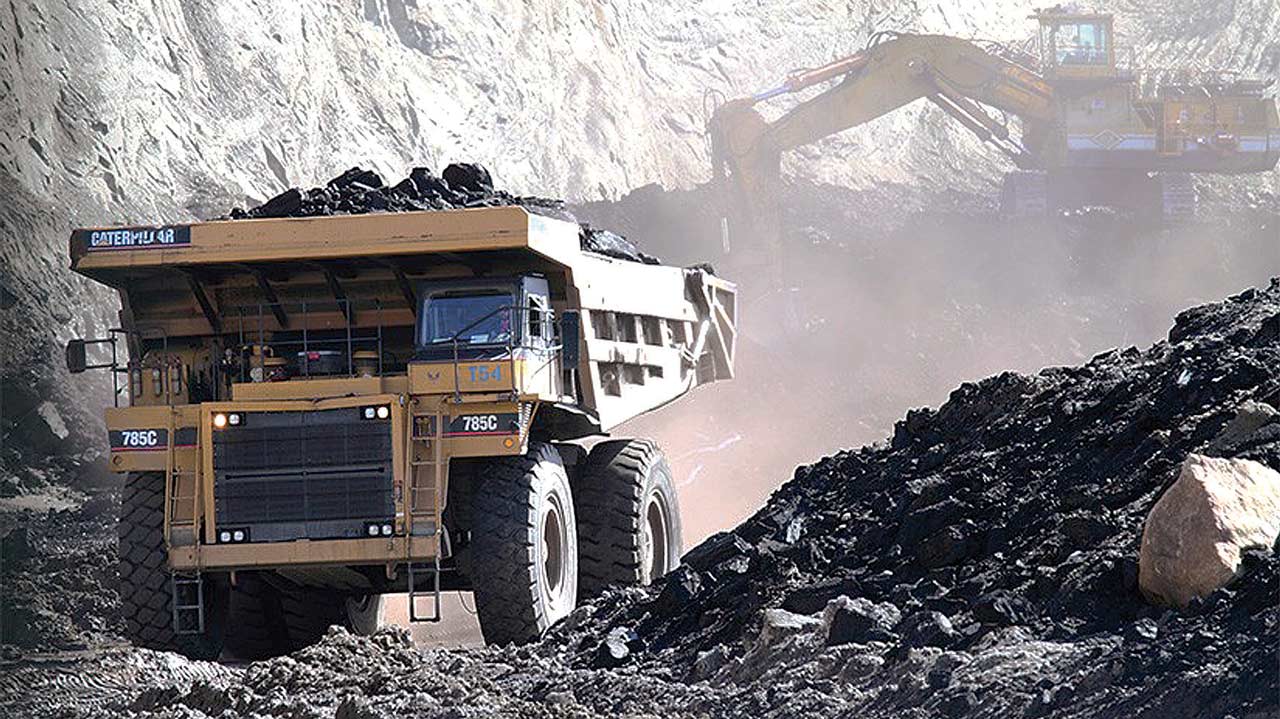
Nigeria’s mining sector currently contributes less than 1% to the country’s Gross Domestic Product (GDP), but the government aims to increase this contribution to between 3% and 5% in the coming years. The sector directly and indirectly employs hundreds of thousands of Nigerians, particularly through artisanal and small-scale mining operations. Major mineral-producing states include Zamfara and Osun (gold), Kogi (iron ore), Ogun (limestone), Nasarawa (baryte), Plateau (tin), and Ondo (bitumen).
Major Solid Minerals in Nigeria
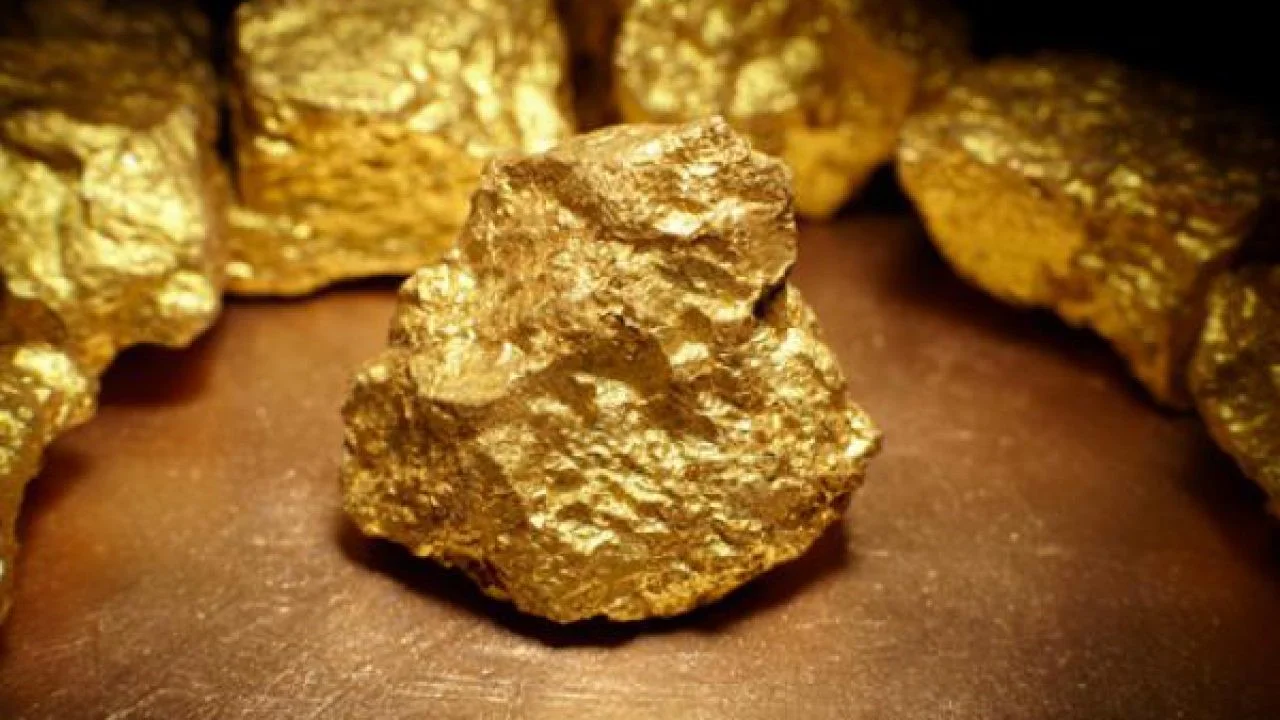
Precious Minerals
Gold, silver, platinum, and gemstones such as tourmaline, sapphire, topaz, and aquamarine. Gold mining is expanding rapidly, particularly in northern Nigeria.
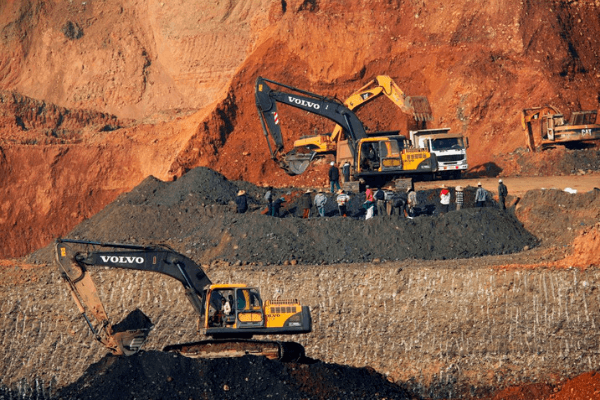
Energy Minerals
Coal, lignite, uranium, and bitumen deposits. Nigeria holds one of the largest bitumen reserves in Africa, particularly in Ondo State.
Metallic Minerals
Iron ore, lead, zinc, tin, columbite, nickel, and manganese. Iron ore deposits in Itakpe support Nigeria’s steel development ambitions.
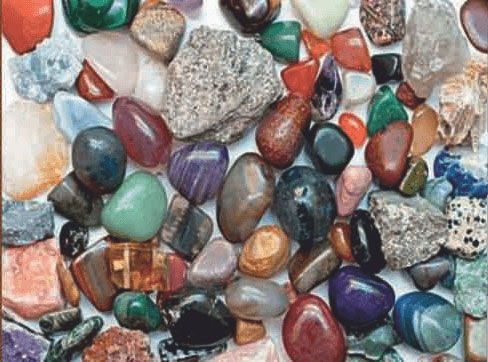
Industrial Minerals
Limestone, granite, marble, gypsum, baryte, kaolin, feldspar, and silica sand. These minerals support cement, ceramics, glass, paint, and construction industries.
Mining Value Chain
The mining value chain in Nigeria begins with geological exploration and resource mapping, followed by licensing acquisition through the Mining Cadastre Office. After securing appropriate permits, mining companies proceed to site development, extraction, processing, and beneficiation. Value addition through processing and refining significantly increases mineral value before transportation to domestic industries or export markets. Proper integration of the value chain can transform mining from a raw material exporter into an industrial powerhouse.
Licensing & Regulation
Mining activities in Nigeria are regulated by the Ministry of Solid Minerals Development and supervised by agencies such as the Mining Cadastre Office and the Nigeria Geological Survey Agency. The legal framework guiding mining operations is the Nigerian Minerals and Mining Act of 2007. Types of licenses include Reconnaissance Permit, Exploration License, Small-Scale Mining Lease, Mining Lease, and Quarry Lease. Investors must also conduct Environmental Impact Assessments (EIA) before commencing large-scale mining operations.
Investment Opportunities
Significant investment opportunities exist across exploration, mineral processing, equipment supply, logistics, and export trading. Nigeria imports many processed minerals and industrial raw materials that could be locally produced. Opportunities include gold refining, lithium processing for EV batteries, iron ore beneficiation for steel production, limestone processing for cement manufacturing, gemstone cutting and polishing, and baryte supply for oil drilling operations.
Export & Trade Potential
Nigeria exports minerals such as gold, lead-zinc, tin, and columbite to countries including China, India, and the United Arab Emirates. With improved traceability systems and formalization of artisanal mining, export revenues can significantly increase. Establishing mineral buying centers, refining facilities, and transparent pricing platforms can enhance Nigeria’s competitiveness in the global solid minerals market.
Challenges Facing the Mining Sector
- Illegal and informal mining activities
- Smuggling and revenue leakages
- Insecurity in mining communities
- Poor infrastructure and unreliable power supply
- Limited access to finance for miners
- Environmental degradation and land conflicts
Environmental & Sustainability Considerations
Mining activities must comply with environmental standards to prevent land degradation, water contamination, and health hazards such as lead poisoning. Sustainable mining practices, land reclamation, community engagement, and responsible waste management are essential to ensuring long-term sector growth. Regulatory enforcement and monitoring play a crucial role in maintaining environmental balance.
The Future of Mining in Nigeria
The future of Nigeria’s mining sector lies in modernization, digital licensing systems, improved geological mapping, stronger enforcement, and value addition. Growing global demand for battery minerals such as lithium and nickel presents major opportunities. Reviving steel production through domestic iron ore processing and promoting mineral traceability through digital platforms will position Nigeria as a major non-oil export hub in Africa.
Desposition of Mineral Resources in Nigeria
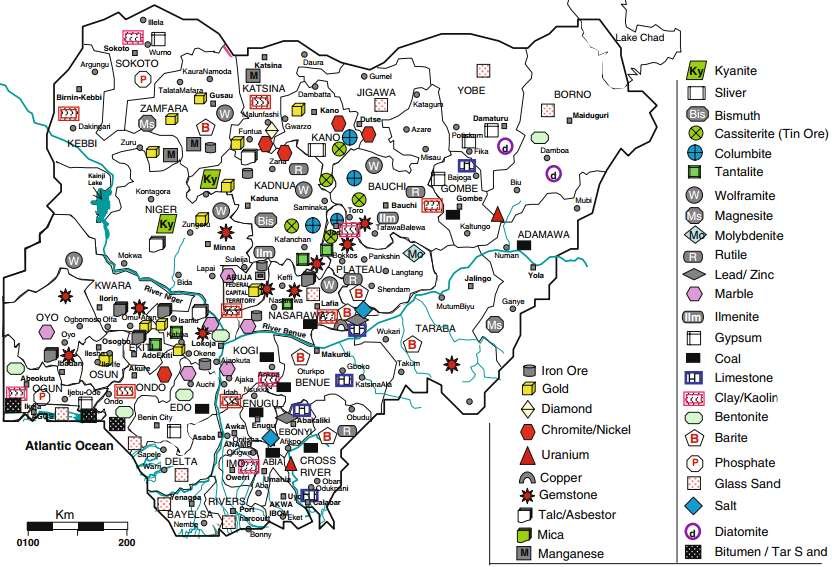
Desposition of Minerals Resources across states in Nigeria. (Commodity.ng)
