
North Central Region of Nigeria
Nigeria’s Food Basket • Cultural Bridge • Economic Powerhouse
Overview
The North Central region, often referred to as the Middle Belt, connects Nigeria’s Northern and Southern regions. It is strategically important for agriculture, trade, governance, and cultural diversity. The presence of Abuja, the nation’s capital, enhances political, economic, and infrastructural development in the region.
This region is a melting pot of ethnicities, languages, and traditions, making it culturally rich and socially significant. Its central location makes it a hub for national logistics, commerce, and policy-making.
Quick Facts About North Central Nigeria
Geopolitical Zone
Middle Belt Region
Major City
Abuja (Federal Capital)
Primary Strength
Agriculture & Livestock Production
Natural Assets
Minerals, Hills & Waterfalls
Cultural Diversity
Multi-ethnic Communities
States in the North Central Region
Geography and Climate
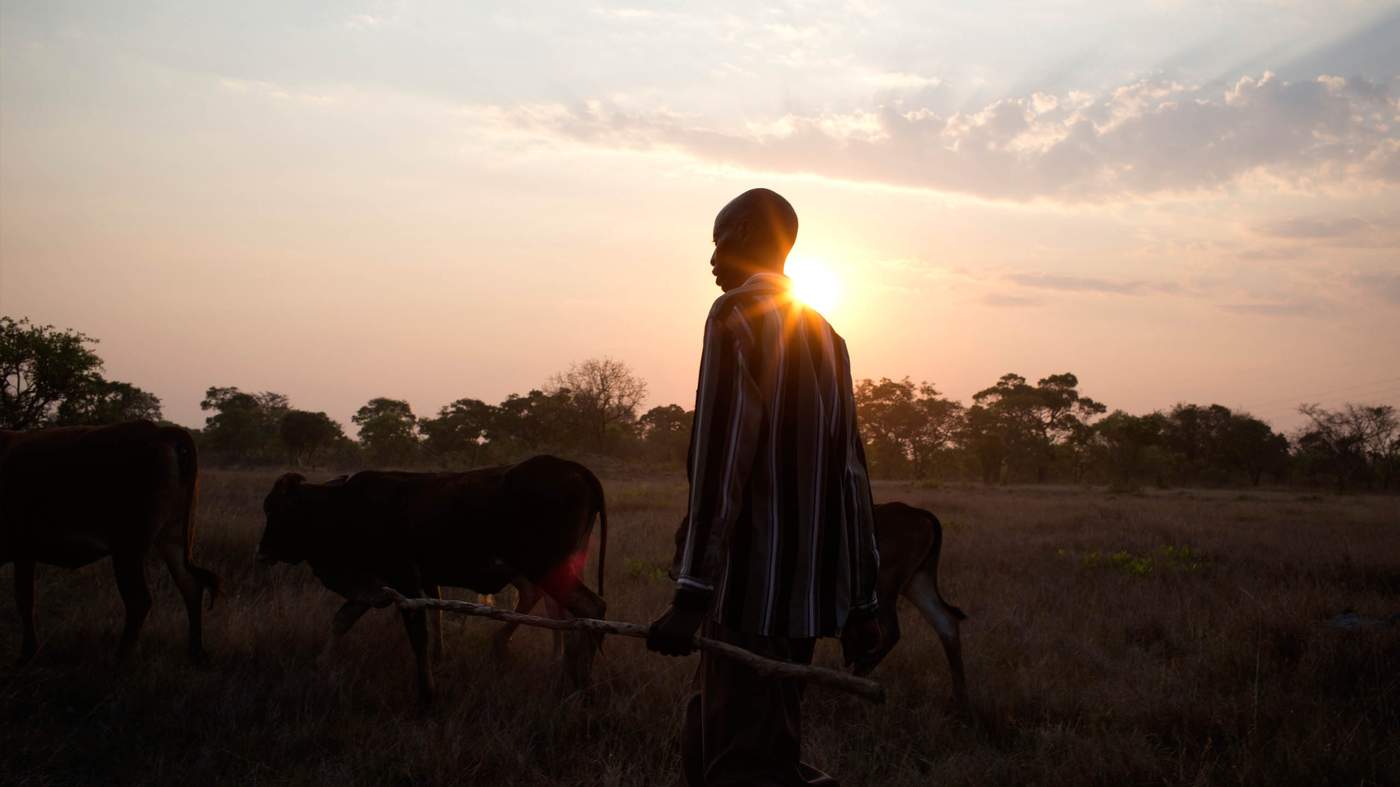
North Central Nigeria features fertile plains, savannahs, river valleys, and plateaus. Major rivers, including the Niger and Benue, support agriculture, fishing, irrigation, and hydroelectric power generation. The Jos Plateau and surrounding highlands are popular for tourism and cool climate.
- Rainy Season (April – October) – Supports crop cultivation and river navigation.
- Dry Season (November – March) – Ideal for harvesting and livestock grazing.
- Terrain – Combination of fertile valleys, plateaus, and rolling hills suitable for diverse agriculture.
Economic Importance
The North Central region is a vital contributor to Nigeria’s economy. Agriculture, mining, trade, and government administration form the backbone of the regional economy. Abuja serves as the center of political and diplomatic activity, attracting international businesses, foreign missions, and infrastructural investment.
The region also serves as a trade and transport corridor, linking northern and southern markets. Agro-processing, commercial farming, and emerging industrial clusters provide jobs and drive economic growth.
Agriculture – Nigeria’s Food Basket
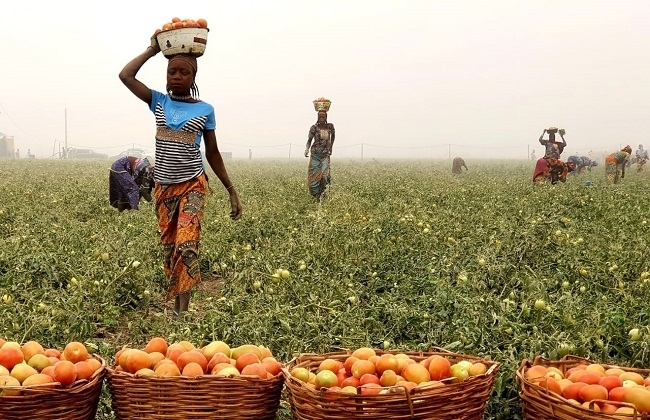
North Central Nigeria produces a significant portion of Nigeria’s staple crops, supporting national food security and export. The fertile soils and favorable climate enable diverse crop cultivation and livestock production.
Major Crops
- Yam – Staple food and key to local markets
- Cassava – Used in flour, garri, and industrial products
- Rice – Major irrigated crop along rivers
- Maize – Staple and animal feed
- Soybeans – Protein source and export crop
- Millet & Sorghum – Traditional cereals
- Vegetables & Fruits – Tomato, pepper, melon, and mango
Livestock Farming
- Cattle Rearing – Supported by grasslands and ranches
- Poultry Farming – Eggs and meat for domestic consumption
- Fish Farming & Aquaculture – Rivers and ponds support tilapia, catfish
- Goat & Sheep – Widespread pastoral activity
Natural Resources and Tourism
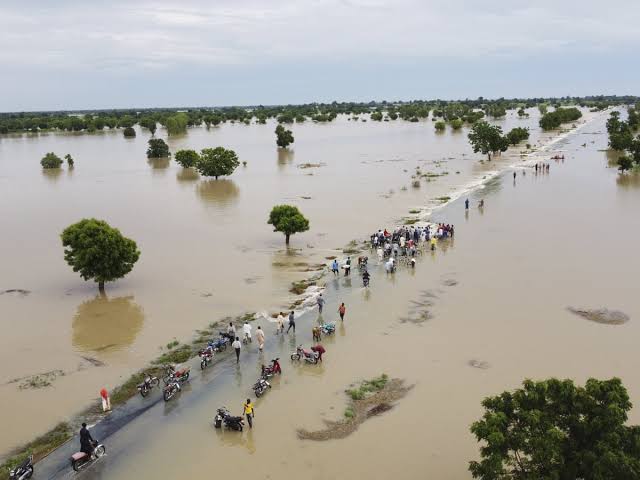
The region is rich in minerals such as limestone, tin, marble, coal, gold, and granite. Tourists are attracted to scenic destinations like Jos Plateau, Zuma Rock, Gurara Waterfalls, Wikki Warm Springs, and wildlife reserves.
- Jos Plateau – Cool climate, hiking, scenic landscapes
- Zuma Rock – Iconic monolith and cultural landmark
- Gurara Waterfalls – Ecotourism and nature photography
- Wikki Warm Springs – Hot spring attraction in Bauchi
- Wildlife Reserves – Rich biodiversity and conservation areas
Cultural Diversity
North Central Nigeria hosts a wide array of ethnic groups, including Tiv, Idoma, Gwari, Nupe, and Berom, each with unique languages, traditions, and festivals. Cultural expressions include music, dance, crafts, and oral storytelling. The region serves as a bridge connecting northern and southern cultural influences.
Traditional festivals, agricultural celebrations, and local crafts strengthen community cohesion and attract tourism.
Interactive: Hover Tour of North Central Highlights
- 👉 Abuja City – Capital city, government & international hub
- 👉 Jos Plateau – Hiking, cool climate, and scenic views
- 👉 Zuma Rock – Cultural and historic landmark
- 👉 Gurara Waterfalls – Natural ecotourism site
- 👉 River Niger & Benue Confluence – Irrigation and transport
- 👉 Wikki Warm Springs – Natural hot springs
Strategic Importance to Nigeria
- Major contributor to national food supply and agro-processing
- Administrative headquarters and diplomatic hub (Abuja)
- Trade and transport corridor linking north and south
- Tourism and natural resource exploitation
- Center for research, education, and cultural preservation
