
North West Region of Nigeria
Commercial Hub • Agricultural Powerhouse • Cultural Heritage Center
Overview
The North West region of Nigeria is one of the country’s six geopolitical zones and is among the most economically and culturally influential regions in the nation. The zone plays a major role in agriculture, livestock production, trade, and traditional commerce.
The region shares international borders with Niger Republic, making it a strategic gateway for trans-border trade and agricultural commodity movement across West Africa.
Quick Facts About North West Nigeria
Zone Type
Geopolitical Region
Economic Strength
Trade & Agriculture
Livestock Hub
Largest in Nigeria
Trade Gateway
International Border Trade
States in the North West Region
Geography and Climate
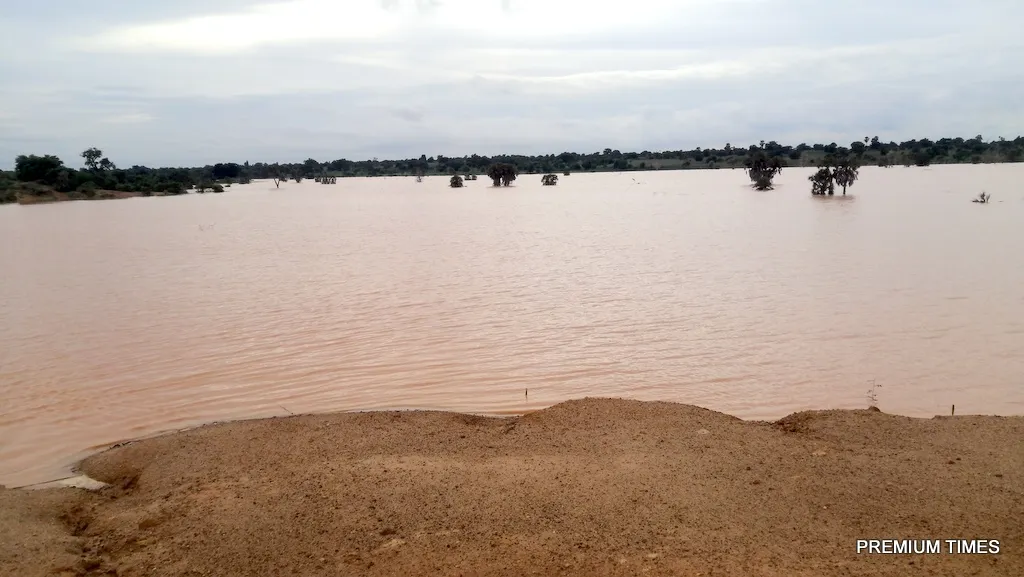
The North West region is characterized by Sudan and Sahel savannah vegetation, semi-arid plains, and river basins. Major rivers such as River Sokoto and River Rima support irrigation agriculture and livestock activities.
- Rainy Season (May – September) – Crop cultivation period.
- Dry Season (October – April) – Supports livestock grazing and irrigation farming.
Economic Importance
North West Nigeria is one of the country’s largest commercial regions. Kano serves as one of West Africa’s oldest and busiest commercial centers. The region is known for large markets, textile production, leather processing, and cross-border trade.
Agriculture and livestock production contribute significantly to employment and national food supply chains.
Agriculture and Livestock Production
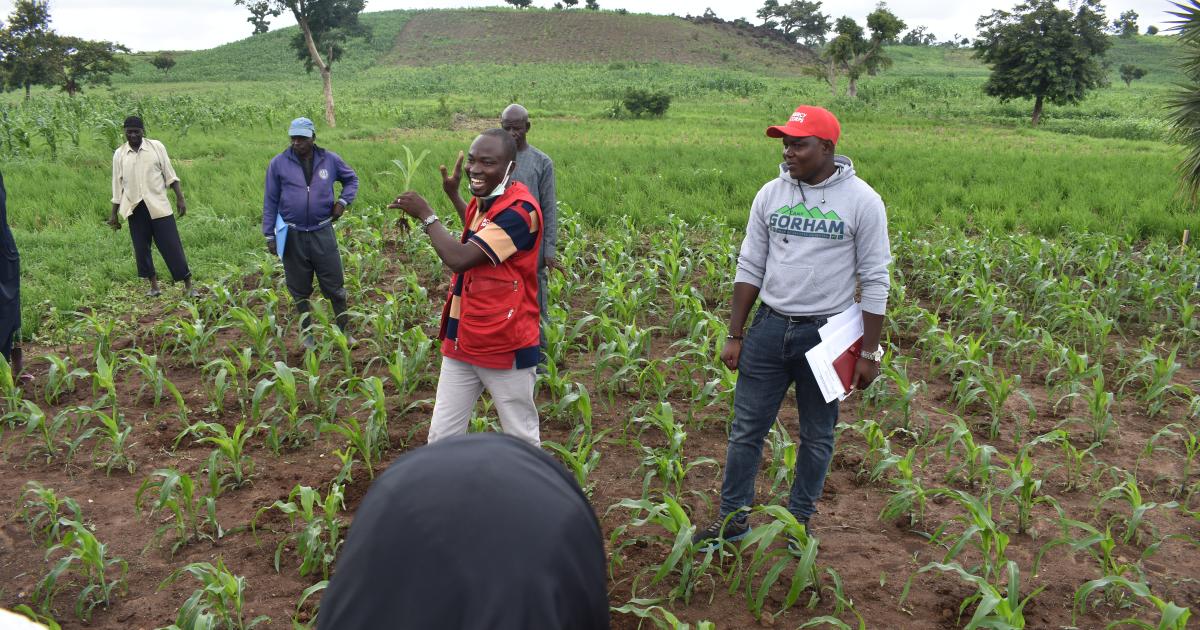
The North West region is one of Nigeria’s leading agricultural production zones. It contributes significantly to grains, legumes, and livestock production.
Major Crops
- Millet
- Sorghum
- Maize
- Rice
- Groundnut (Peanuts)
- Cowpea (Beans)
- Cotton
- Wheat
Livestock Production
- Cattle Rearing
- Sheep and Goat Farming
- Poultry Production
- Dairy Farming
The region hosts some of Nigeria’s largest cattle markets and contributes heavily to meat and dairy supply.
Trade and Industrial Activities
North West Nigeria has a long history of commercial activity dating back to trans-Saharan trade routes. Major trade hubs include:
- Kano International Market
- Kaduna Industrial Zone
- Sokoto Trade Corridors
- Border trade markets linking Niger Republic
The textile, leather, and agro-processing industries are dominant in the region.
Natural Resources and Tourism
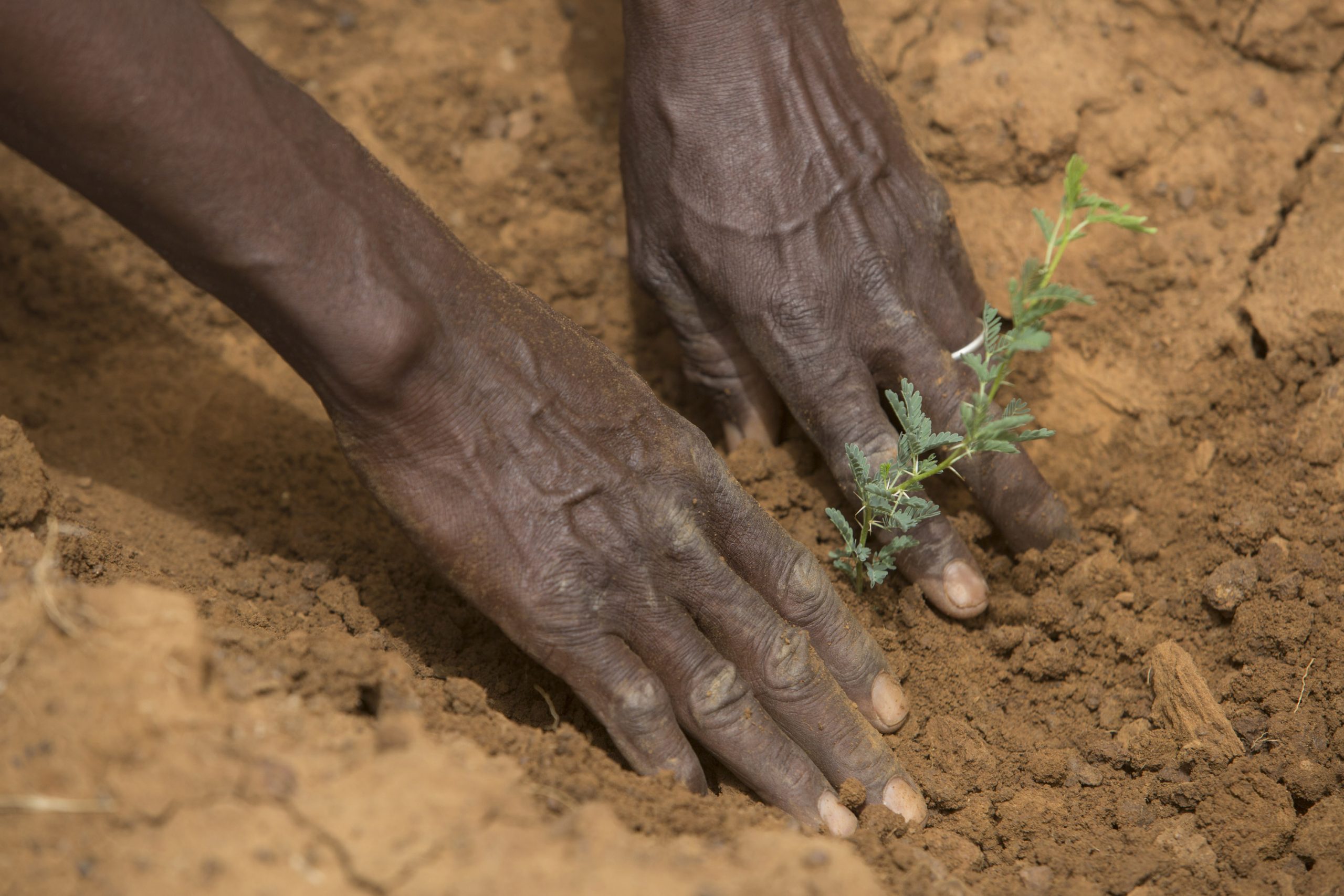
The region contains mineral resources such as gold, limestone, and gypsum. It also hosts cultural tourism events and historic sites.
Major Attractions
- Argungu Fishing Festival (Kebbi State)
- Ancient Kano City Walls
- Sokoto Caliphate Historical Sites
- Traditional Emirate Palaces
Cultural Heritage
The North West region is predominantly Hausa-Fulani and is known for strong Islamic cultural traditions, festivals, architecture, crafts, and trading heritage.
Traditional institutions such as Emirate systems continue to play vital social and economic roles.
Strategic Importance to Nigeria
- Largest livestock production region
- Major grain production zone
- Cross-border agricultural trade gateway
- Historical commercial hub of West Africa
- Major employment provider in agriculture and commerce
