
Sokoto State Agriculture & Commodity Market Intelligence
Insights into crops, livestock, agro-processing, and investment opportunities in North-West Nigeria’s agrarian hub.
Overview of Agriculture in Sokoto State
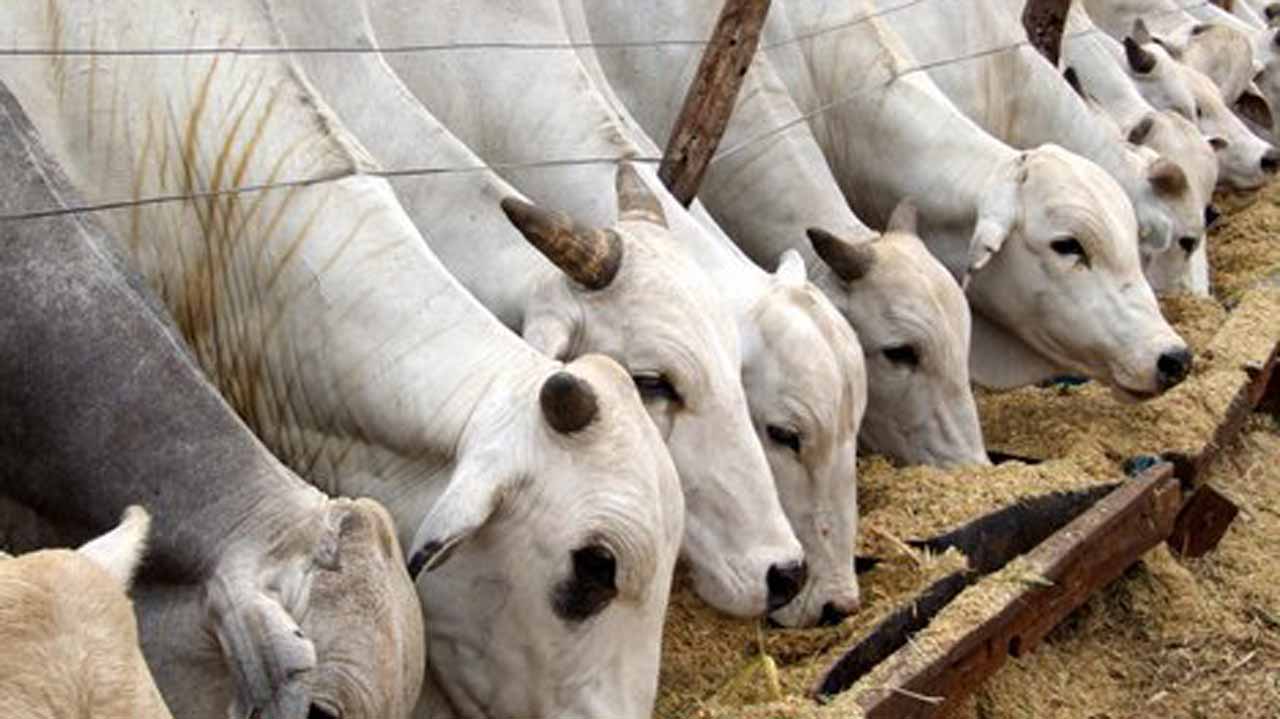
Sokoto State is one of Nigeria’s most agrarian states, with agriculture forming the backbone of the economy. Over 80 % of the population are engaged in farming and related activities, making agriculture central to food security, employment, and rural income generation.
The state’s terrain is predominantly savanna and semi-arid, but extensive floodplains, rivers, and irrigation schemes allow year-round crop production and livestock grazing. Fertile soils support both subsistence and commercial farming, positioning Sokoto as a critical contributor to Nigeria’s agricultural output.
Sokoto Agriculture Snapshot
80%
Population Engaged in Agriculture
60%
Contribution to State GDP
Fertile Land
Extensive Savanna & Floodplains
Major Market Hubs
Sokoto, Gusau, Tambuwal Markets
Major Crops Produced
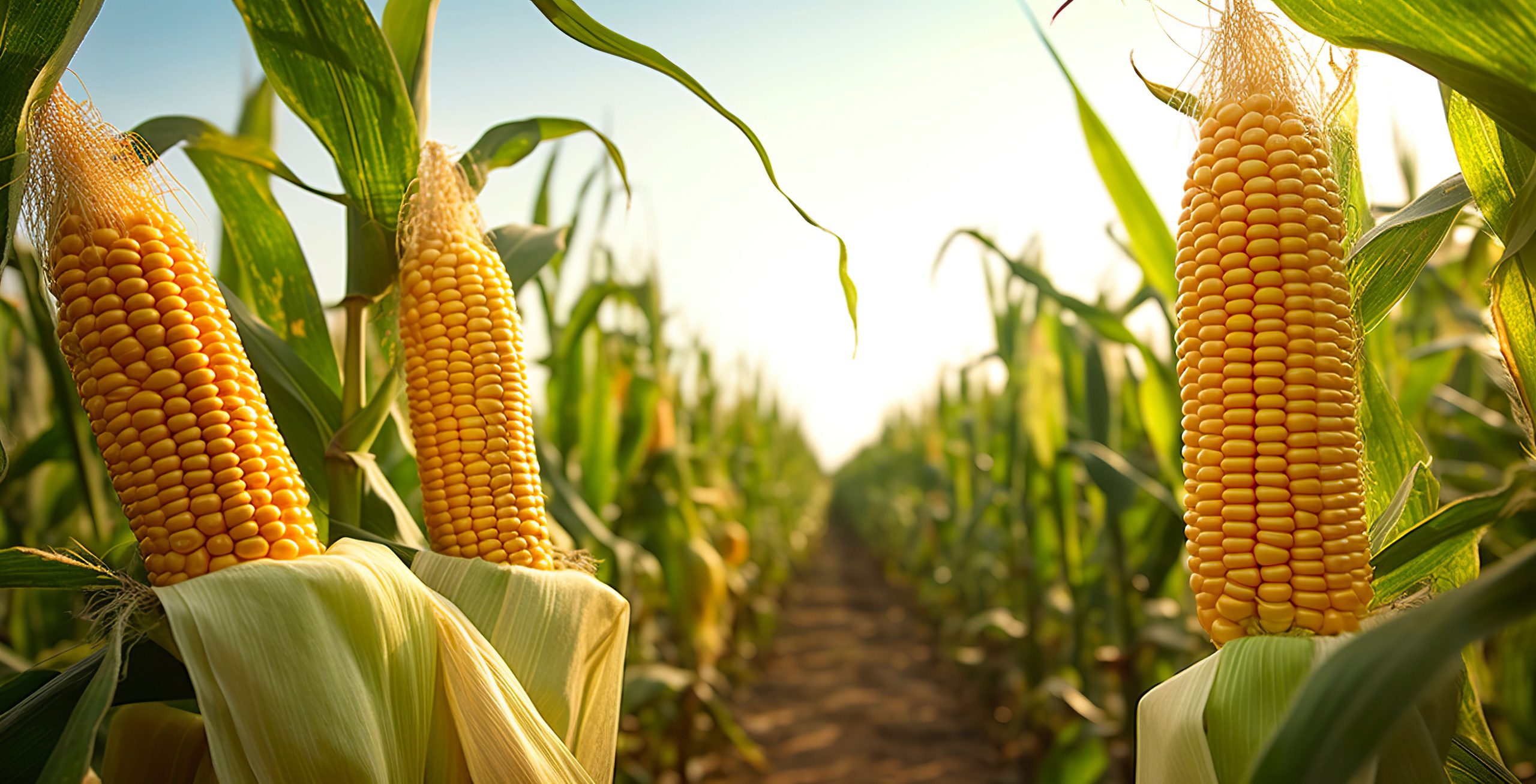
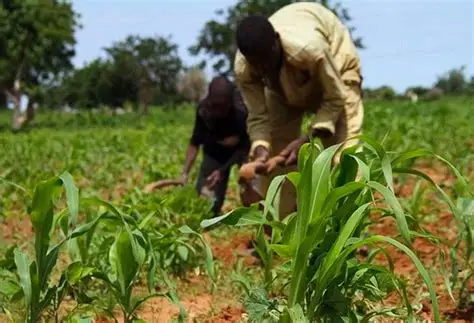
Staple crops in Sokoto include millet, guinea corn (sorghum), maize, rice, groundnut, beans, cassava, and potatoes. These crops serve local consumption, domestic markets, and agro-processing industries.
Sokoto is nationally renowned for onion production, contributing a significant share of Nigeria’s output. Other vegetables such as tomatoes and peppers are widely grown for market supply and value-added processing.
Cash crops including cotton, wheat, and tobacco provide additional farm income and feedstock for agro-industries.
Livestock and Poultry Farming
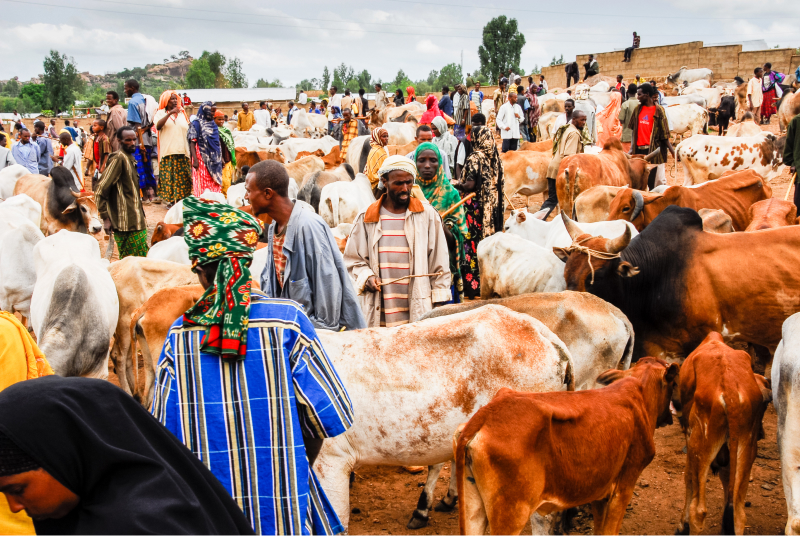
Livestock production is vital, with cattle, sheep, goats, and poultry raised extensively across grazing lands. Fishing in river basins also supports nutrition and trade.
Ongoing investments in ranch development, feed production, and veterinary services enhance productivity, support rural livelihoods, and feed agro-processing sectors such as meat, dairy, and leather industries.
Government Initiatives & Agricultural Development
Sokoto State Government programs focus on irrigation expansion, mechanization, and value-chain development to improve productivity and market access. Rehabilitation of irrigation schemes, distribution of tractors, water pumps, fertilisers, and farm equipment are key interventions.
These initiatives support both dry-season and wet-season farming, strengthen staple crop production such as rice, onions, and millet, and position Sokoto as a competitive agricultural producer regionally.
Agro-Processing and Value Chain Opportunities
Rice & Flour Processing
Industrial & Export Potential
Onion & Vegetables
High-Demand Export Products
Livestock Development
Meat, Dairy & Leather Supply
Irrigation & Mechanization
Boosts Year-Round Production
Agro-allied industries in Sokoto, including rice milling, vegetable oil extraction, onion processing, and leather production, offer significant investment opportunities. Integrating smallholder farmers into these value chains ensures consistent supply and economic growth.
Climate, Soil & Irrigation Systems
Sokoto has a savanna and semi-arid climate with wet and dry seasons, ideal for staple crops. Soils are fertile, especially in floodplains and irrigated areas, supporting high productivity.
Extensive irrigation schemes, dams, and mechanized farming enhance year-round crop production. Modern agronomic practices and water management improve yields and expand commercial farming opportunities.
Major Commodity Prices in Sokoto State
| Commodity | Average Price | Market Trend |
|---|---|---|
| Millet | ₦40,000 / 50kg | Stable |
| Guinea Corn (Sorghum) | ₦48,000 / 50kg | Stable |
| Maize | ₦42,000 / 50kg | Stable |
| Rice | ₦50,000 / 50kg | Increasing |
| Onions | ₦70,000 / Bag | High Demand |
| Tomatoes | ₦65,000 / Basket | Stable |
