
Taraba State Agriculture & Commodity Market Intelligence
Crop production, livestock, fisheries, and agribusiness opportunities from Nigeria’s fertile North‑East.
Overview of Agriculture in Taraba State
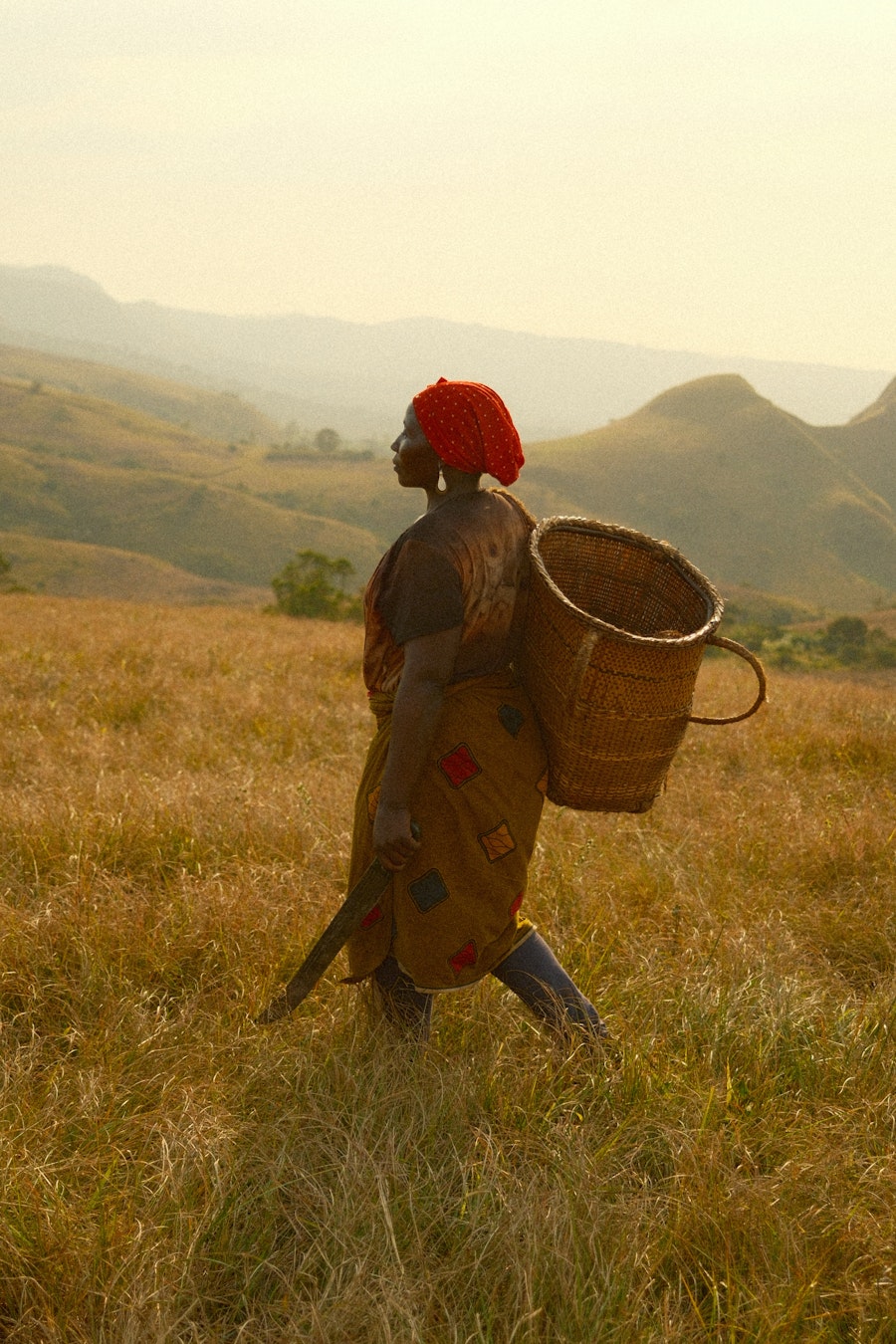
Taraba State, with Jalingo as its capital, lies in Nigeria’s North‑Eastern geopolitical zone and is known for its fertile soils, abundant water sources, and favourable climate. Agriculture remains the dominant livelihood, engaging the majority of its population in crop and livestock production. :contentReference[oaicite:1]{index=1}
The diverse landscape includes tropical savanna, river valleys, and highlands such as the Mambilla Plateau — ideal for grazing and specialised crop production — making Taraba one of Nigeria’s important agricultural producers. :contentReference[oaicite:2]{index=2}
Taraba Agriculture Snapshot
Staple Food Crops
Maize, Rice, Sorghum, Millet, Yam, Cassava
Cash Crops
Groundnut, Sesame, Cotton, Tea & Coffee
Livestock
Cattle, Sheep, Goats, Poultry, Pigs
Fisheries
Benue, Taraba, Donga & Ibi Rivers
Major Crops Produced
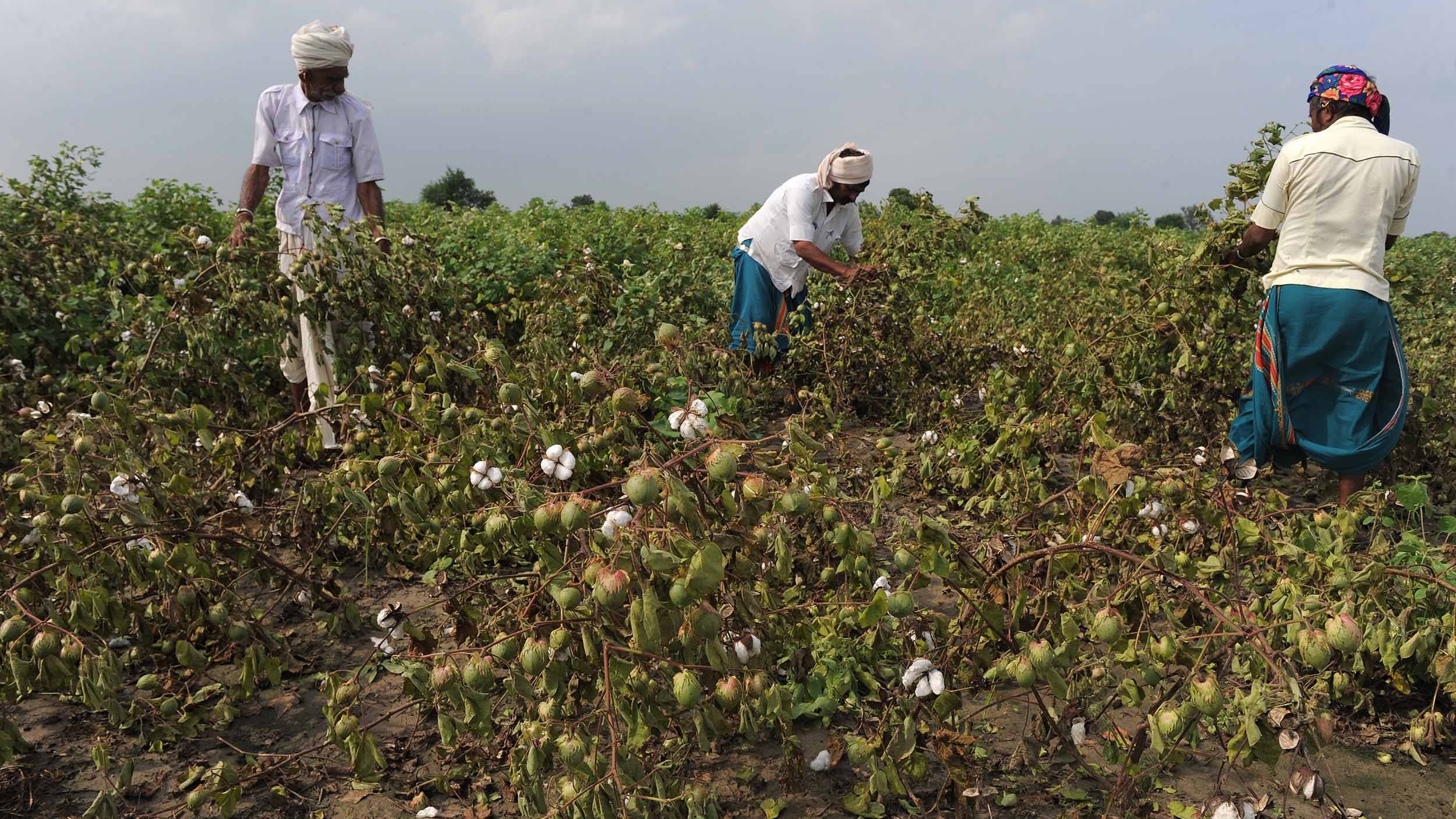
Taraba farmers produce staples like maize, rice, sorghum, millet, and tubers including cassava and yam. The state is also known for cash crops such as groundnut, sesame, cotton, and tea, especially cultivated on the cool highlands of the Mambilla Plateau. :contentReference[oaicite:3]{index=3}
Livestock & Pastoral Economy
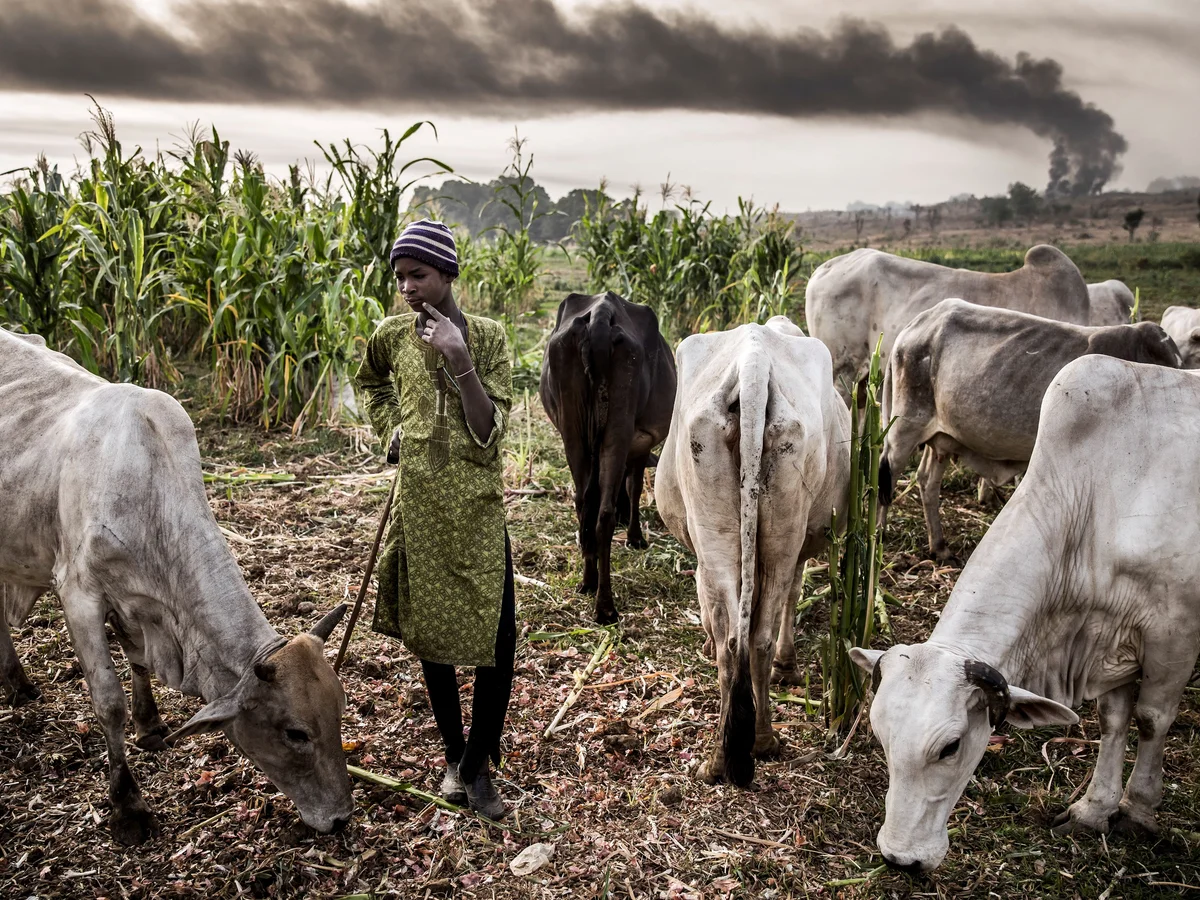
The fertile grazing lands and Mambilla Plateau support large livestock populations — including cattle, sheep, goats, poultry, and pigs — which contribute to meat supply, dairy production, and local market trade. :contentReference[oaicite:4]{index=4}
Fisheries & Aquaculture Development
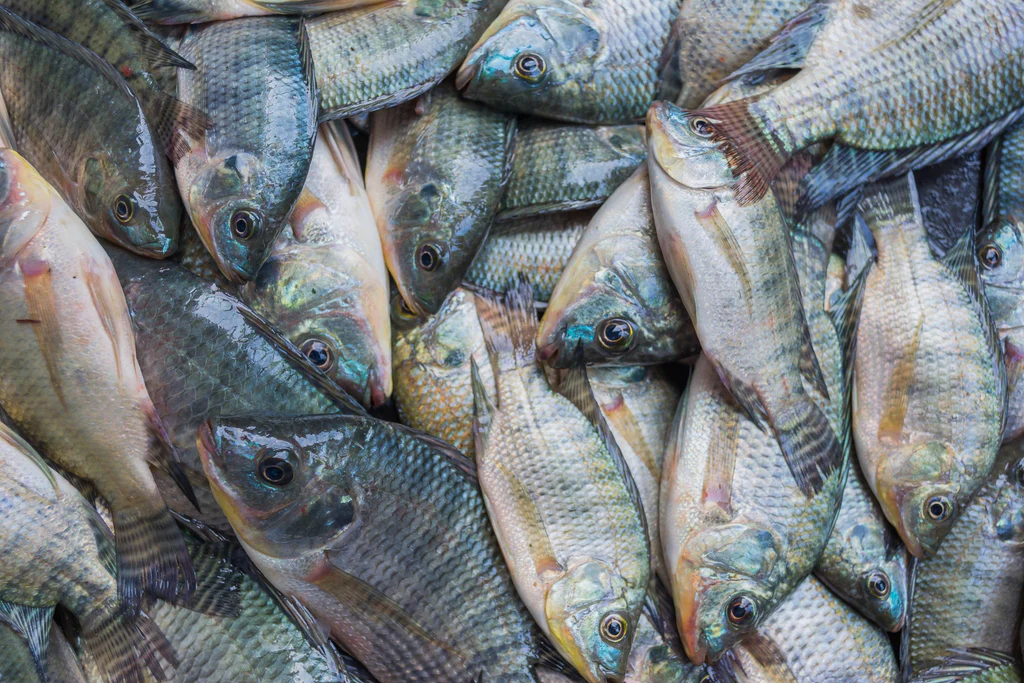
Communities along the Benue, Taraba, Donga, and Ibi rivers engage in fishing throughout the year. These waterways help sustain fish supply and irrigation farming across lowland agricultural areas of the state. :contentReference[oaicite:5]{index=5}
Agricultural Markets & Trade Networks
Taraba hosts active commodity markets for grains, legumes, and livestock, linking rural farmers with regional buyers and trade corridors throughout Northern Nigeria. :contentReference[oaicite:6]{index=6}
Agricultural Development & Investment Opportunities
Investment opportunities include irrigation and dry season farming, greenhouse/modern farming technology, livestock processing, agro‑processing and storage, and value‑added crop processing across the state. :contentReference[oaicite:7]{index=7}
Irrigation & Dry Season Farming
Year‑Round Crop Production
Greenhouse Technology
Modern Veg & Horticulture
Cash Crop Processing
Tea, Groundnut & Sesame
Livestock Value Chain
Meat & Dairy Supply
Agricultural Seasons & Production Cycle
Taraba enjoys a defined rainy season that promotes cereal and tuber cultivation, while dry season irrigation and greenhouse farming help sustain vegetable and additional crop output year‑round. :contentReference[oaicite:8]{index=8}
Major Commodity Prices in Taraba State
| Commodity | Average Price | Market Trend |
|---|---|---|
| Maize | ₦40,000 / 50kg | Stable |
| Rice | ₦50,000 / 50kg | Growing Supply |
| Groundnut | ₦68,000 / Bag | Processing Demand |
| Tea | ₦59,000 / 50kg | Emerging Product |
