
Yobe State Agriculture & Commodity Market Intelligence
Crop production, livestock markets, irrigation farming, and agribusiness growth in Nigeria’s North‑Eastern savanna.
Overview of Agriculture in Yobe State
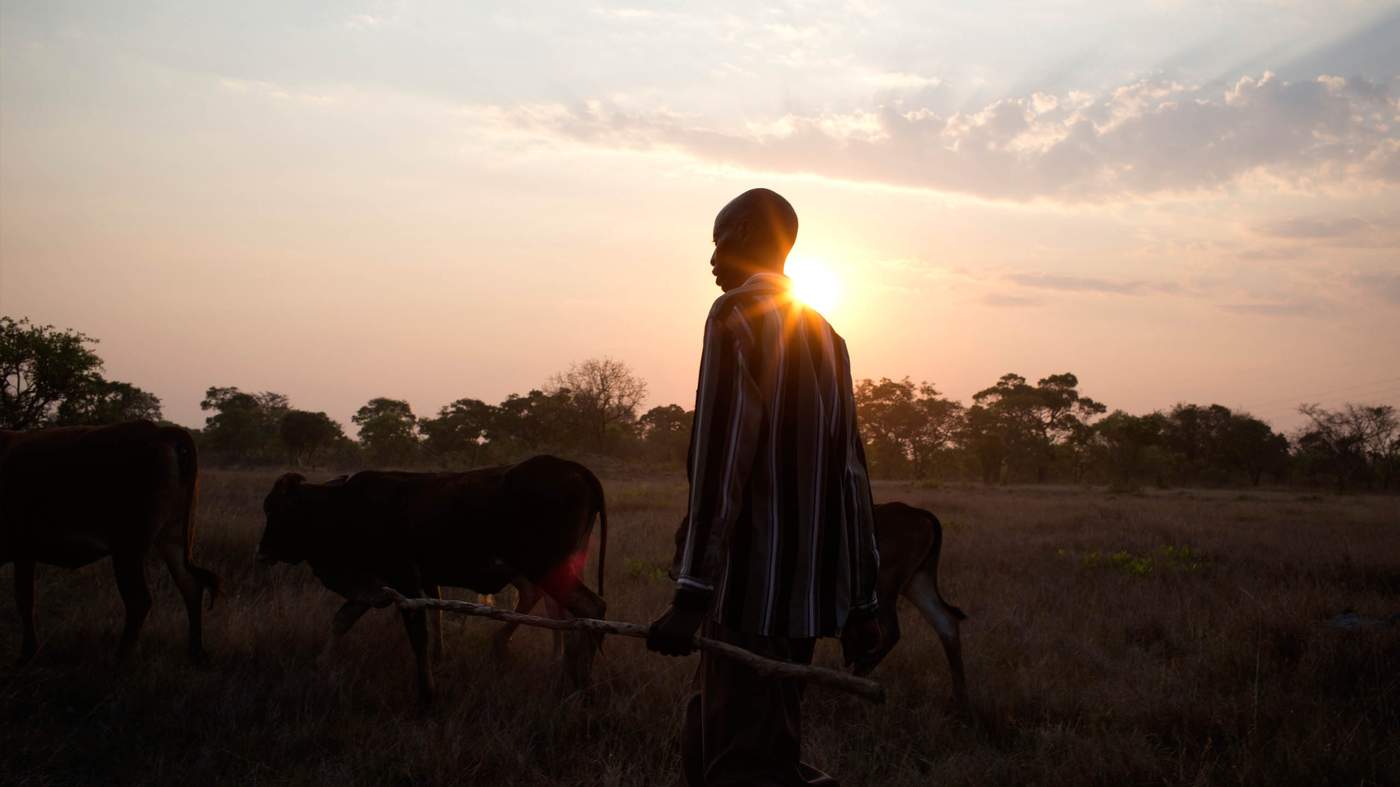
Yobe State is in north‑eastern Nigeria with Damaturu as its capital and was created on 27 August 1991. The state spans predominantly Sahel and Sudan savanna landscapes, which support extensive farming, livestock production, and dry‑season irrigation cultivation.
Agriculture is the backbone of Yobe’s economy, engaging more than 80 % of the population in crop production and pastoralism. Fertile lands, floodplains, and expanded irrigation schemes help farmers produce diverse staples and cash crops year‑round.
Yobe Agriculture Snapshot
Staple Crops
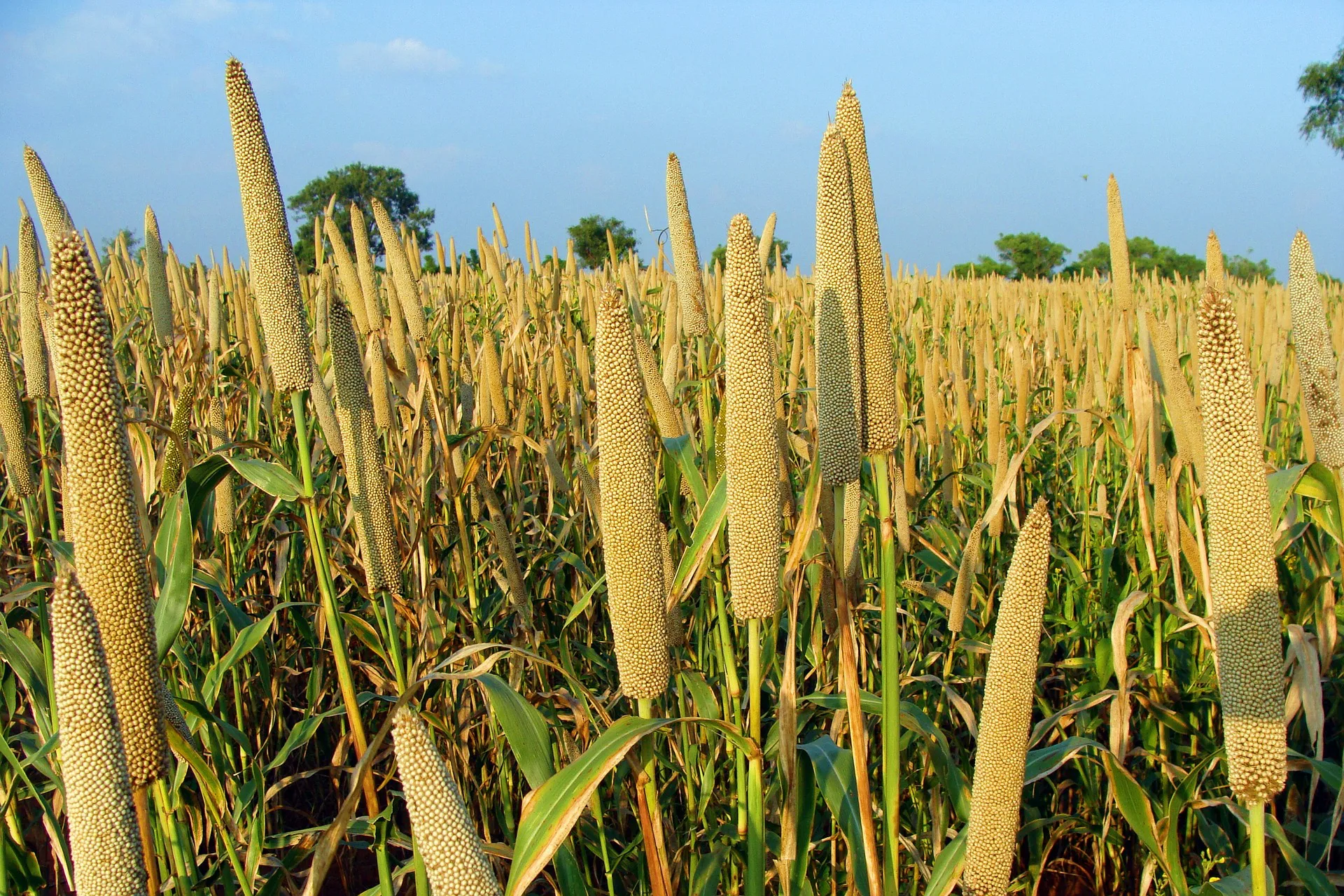
Millet, Sorghum, Maize, Cowpea, Rice
Cash Crops
Groundnut, Cotton, Sesame, Gum Arabic
Livestock Production
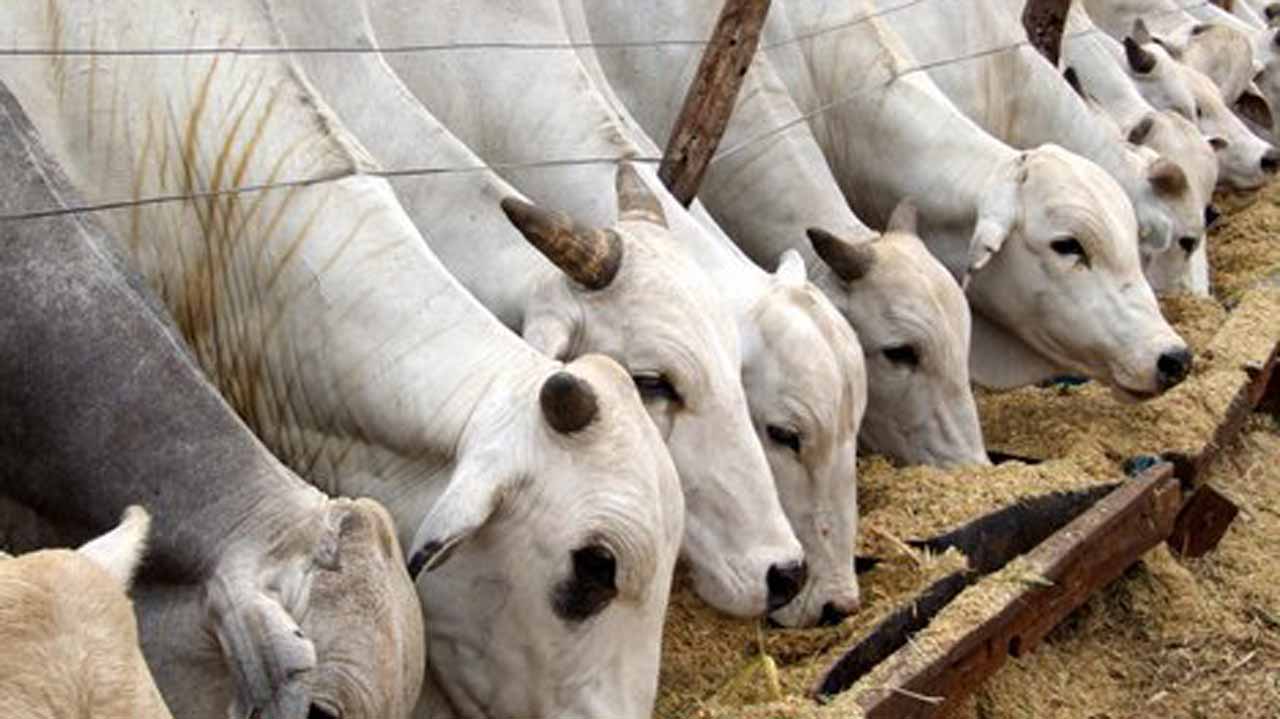
Cattle, Sheep, Goats
Irrigated Farming
Dry‑Season Crop Production
Major Crops Produced
Yobe farmers grow a wide variety of staple food crops including millet, sorghum, maize, cowpea, and rice for local consumption and market sale. Cash crops such as groundnut, cotton, sesame, and gum Arabic also contribute significantly to rural incomes and trade.
Livestock & Pastoral Economy
Large herds of cattle, goats, and sheep are reared across Yobe’s savanna landscapes. Towns such as Potiskum and Nguru host some of West Africa’s largest livestock markets, supporting animal trade and contributing to regional protein supply chains.
Irrigation & Dry‑Season Farming
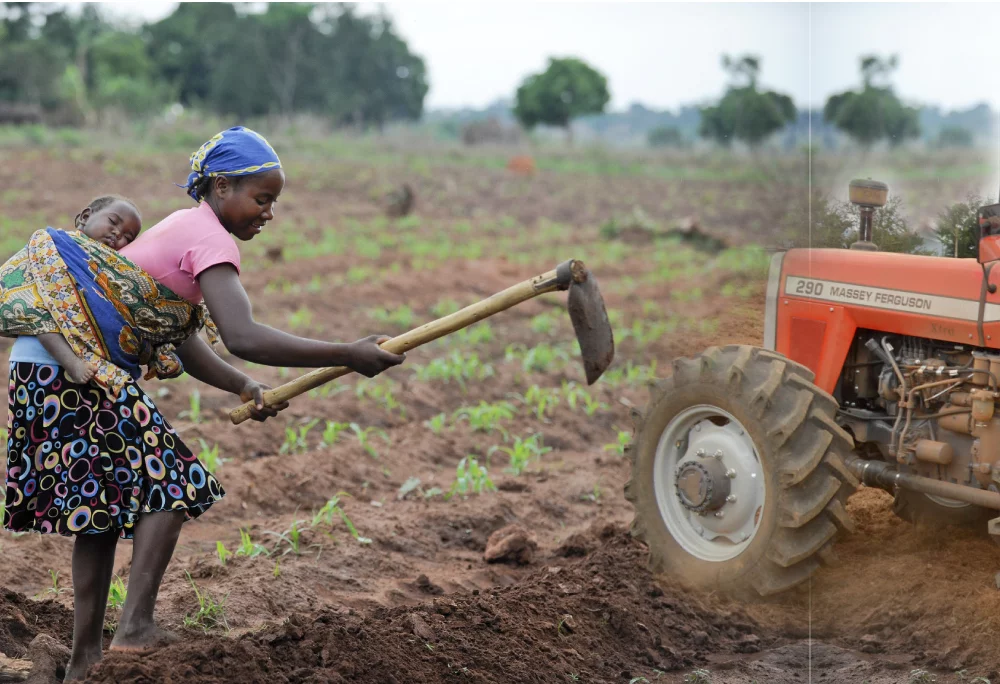
Expansion of irrigation schemes has enabled farmers to grow crops beyond the rainy season, reducing reliance on rainfall and boosting productivity. Dry‑season farming is particularly important around floodplains and irrigated fields in the state.
Agricultural Markets & Trade Networks
Yobe hosts active grain and livestock markets that connect farmers to buyers across Northern Nigeria and beyond. The Potiskum and Nguru markets are major livestock hubs, attracting traders from Nigeria and neighbouring countries.
Agricultural Development & Investment Opportunities
Investment opportunities in Yobe State include irrigation and dry‑season farming, mechanised agriculture, livestock processing and trading infrastructure, gum Arabic and sesame value addition, and agro‑processing initiatives.
Irrigation Expansion
Year‑Round Crop Production
Mechanised Farming
Tractors & Equipment
Cash Crop Processing
Sesame & Gum Arabic Value Chains
Livestock Infrastructure
Animal Markets & Slaughterhouses
Agricultural Seasons & Production Cycle
The rainy season supports rain‑fed cereal and legume cultivation, while expanded irrigation allows dry‑season vegetable and rice farming. Seasonal cycles in Yobe enable a mix of short‑term and long‑term cropping patterns.
Major Commodity Prices in Yobe State
| Commodity | Average Price | Market Trend |
|---|---|---|
| Millet | ₦41,000 / 50kg | Stable |
| Cowpea | ₦38,000 / 50kg | High Demand |
| Sesame | ₦42,500 / 50kg | Export Driven |
| Gum Arabic | ₦53,500 / 50kg | Growing Trade |
