
Zamfara State Agriculture & Commodity Market Intelligence
Insights into crops, livestock, agro-processing, and investment opportunities in North-West Nigeria’s agrarian hub.
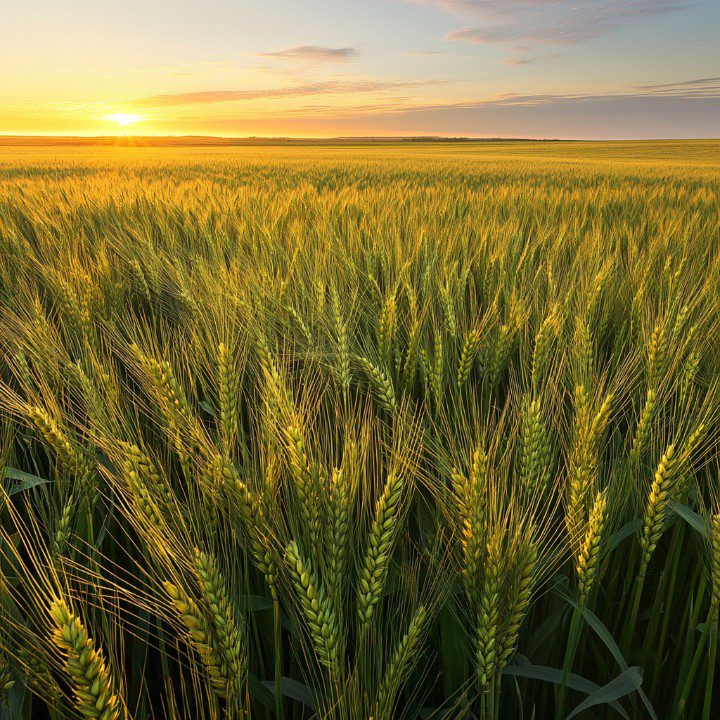
Overview of Agriculture in Zamfara State
Zamfara State, with Gusau as its capital, is an agrarian state where agriculture drives livelihoods, employment, and economic growth. More than 80 % of the population engage in farming and related activities, giving the state the slogan “Farming is Our Pride.”
The state’s semi-arid and tropical savanna environment supports diverse staple and cash crops, while irrigation schemes and floodplain farming ensure consistent production.
Zamfara Agriculture Snapshot
80%
Population Engaged in Agriculture
60%
Contribution to State GDP
Vast Arable Land
Semi-Arid & Savanna Environment
Major Market Hubs
Gusau & Talata-Mafara Markets
Major Crops Produced
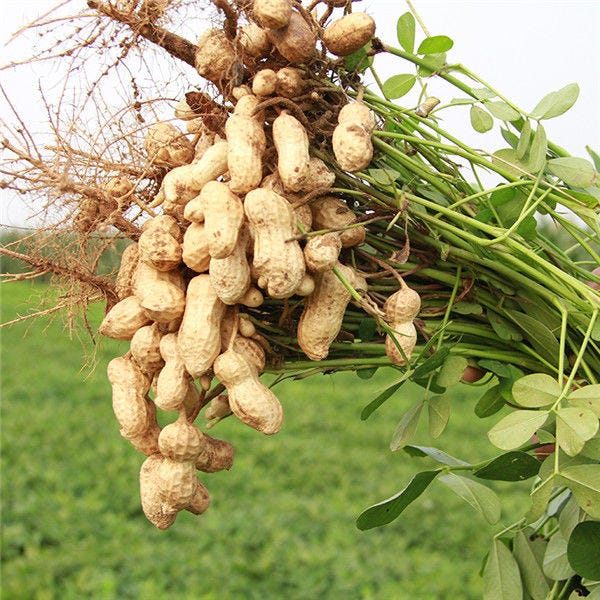
Staple crops in Zamfara include millet, sorghum (guinea corn), maize, rice, beans, and groundnut. Cotton and tobacco are traditional cash crops with high commercial value.
Horticultural crops such as vegetables and groundnut cluster farming are gaining prominence, supported by improved seedlings and government interventions to boost yields and export potential.
Livestock and Poultry Farming
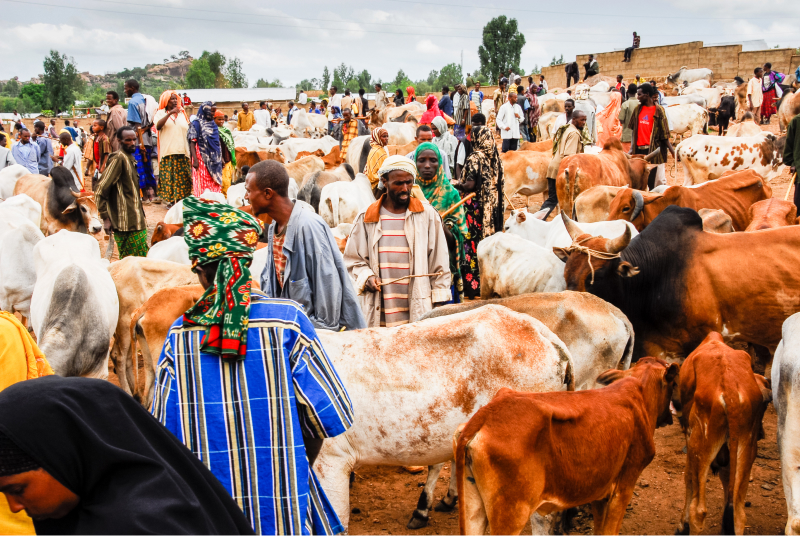
Livestock production is integral to Zamfara agriculture. Cattle, goats, sheep, and poultry are raised across extensive grazing lands, contributing to meat, dairy, and leather supply chains.
Livestock farming supports rural incomes, food security, and agro-processing opportunities, while government initiatives aim to improve veterinary services and market linkages.
Government Initiatives & Agricultural Development
The Zamfara State Government and federal programs provide farm inputs including fertilizers, improved seeds, herbicides, and mechanised equipment. Extension services and support programs aim to increase productivity, rural incomes, and commercial farming activities.
Projects such as irrigation expansion, groundnut cluster farming, mechanisation, and youth engagement initiatives enhance value chains, strengthen food systems, and reduce post-harvest losses.
Agro-Processing and Value Chain Opportunities
Rice & Maize Milling
Food Security & Commercial Use
Cotton & Tobacco Processing
Industrial & Export Potential
Livestock & Leather
Meat, Dairy & Leather Supply
Horticulture & Groundnut Clusters
Enhanced Yield & Market Value
Agro-processing opportunities in Zamfara include rice milling, groundnut oil extraction, cotton ginning, and leather production. Linking smallholder farmers to these value chains ensures sustainable supply and economic growth.
Climate, Soil & Irrigation Systems
Zamfara’s semi-arid and tropical savanna climate supports staple crops and livestock grazing. Fertile soils in floodplains allow year-round farming with irrigation schemes and mechanized cultivation.
Government-supported irrigation and modern agronomic practices enhance productivity, especially for dry-season crops and horticultural projects.
Major Commodity Prices in Zamfara State
| Commodity | Average Price | Market Trend |
|---|---|---|
| Millet | ₦41,500 / 50kg | Stable |
| Sorghum | ₦41,000 / 50kg | Stable |
| Maize | ₦39,000 / 50kg | Stable |
| Rice | ₦46,000 / 50kg | Increasing |
| Groundnut | ₦52,500 / Bag | High Demand |
| Cotton | ₦57,000 / 50kg | Export Oriented |
