
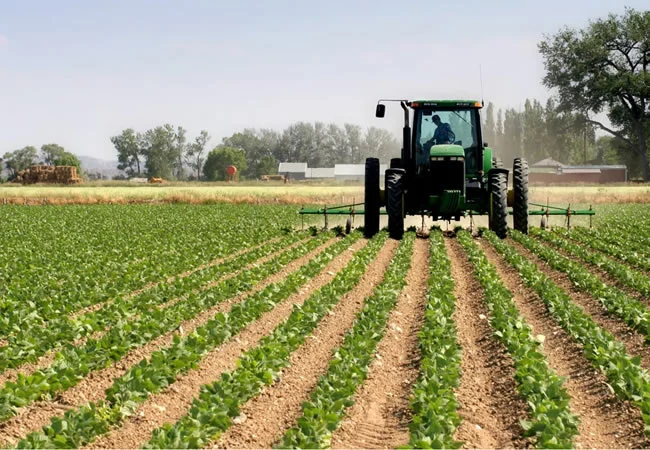
Agriculture remains a central pillar of Nigeria’s economy, employing over 30% of the workforce and contributing significantly to national GDP and food security. Within this landscape, dry season rice farming has emerged as one of the most strategic agricultural innovations reshaping Nigeria’s food system in 2025.
As climate variability intensifies and rice consumption continues to rise, dry season cultivation is no longer optional — it is essential for national food stability, rural income growth, and import substitution.
Unlike traditional rainfed farming, dry season rice production relies on controlled irrigation systems, allowing farmers to cultivate rice between October/November and April/May — months typically characterized by minimal rainfall.
This shift from rainfall dependence to irrigation-led farming represents a structural transformation in Nigeria’s rice value chain.
Understanding Dry Season Rice Farming in Nigeria
Dry season rice farming involves cultivating rice during Nigeria’s dry months using artificial irrigation systems such as canals, tube wells, solar-powered pumps, drip irrigation, and sprinkler systems.
Key Advantages
-
Reduced pest and disease pressure due to lower humidity levels
-
Precise water management, reducing wastage and improving efficiency
-
Multiple cropping cycles per year, increasing annual output
-
Better farm planning, avoiding unpredictable rainfall disruptions
-
Higher income stability for farmers
However, successful implementation requires significant infrastructure — reliable water sources, irrigation networks, improved seed access, mechanization, and financing.
Why Dry Season Rice Farming Matters in 2025
Nigeria remains Africa’s largest rice consumer, yet domestic production has historically lagged behind demand. This supply gap has led to persistent import dependence, foreign exchange pressure, and periodic price volatility.
By enabling year-round production, dry season farming:
-
Reduces reliance on imported rice
-
Strengthens national food sovereignty
-
Stabilizes market supply and pricing
-
Boosts rural employment during off-peak months
-
Enhances income diversification for farmers
Key Producing States Driving Irrigation-Based Rice Farming
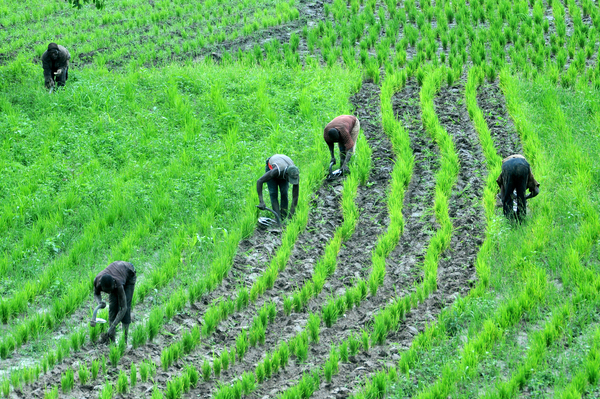
Major irrigation-supported rice clusters are expanding across:
-
Kano State
-
Kebbi State
-
Niger State
-
Cross River State
These states are leveraging river basins, dams, and solar-powered irrigation systems to increase dry season acreage.
Top Innovations Powering Dry Season Rice Farming in 2025
Technological advancements are redefining productivity, efficiency, and sustainability in Nigeria’s rice sector.
1. Advanced Irrigation Technologies
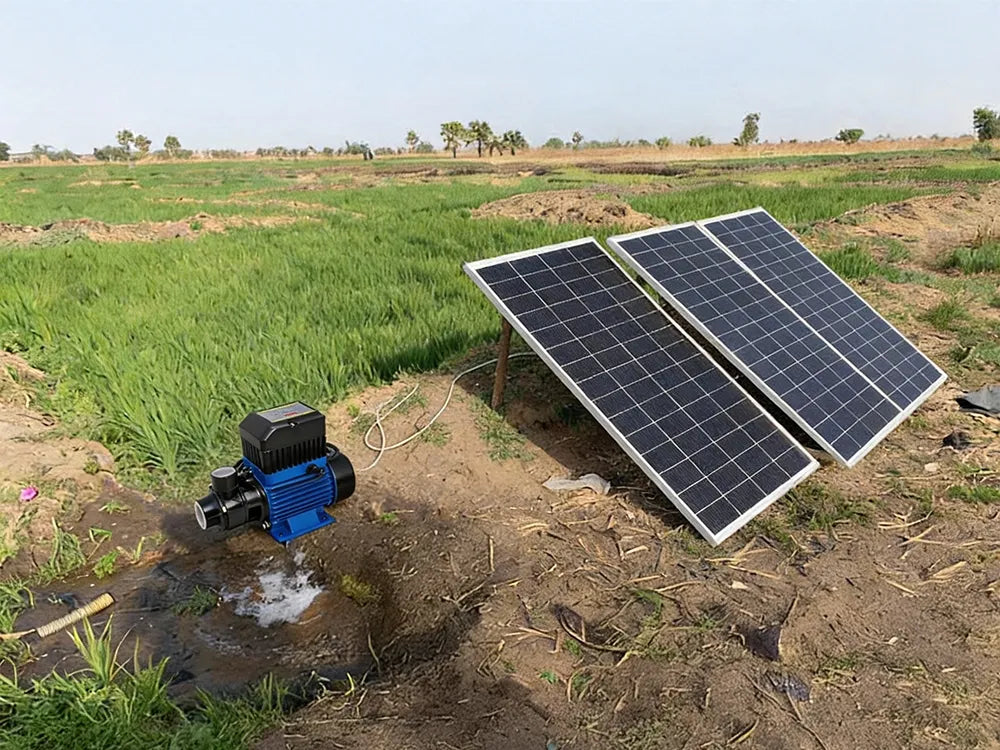

Solar-Powered Irrigation
Solar pumps are reducing farmers’ dependence on diesel generators and unreliable grid electricity, lowering production costs while improving water access in remote communities.
Drip and Sprinkler Systems
These systems deliver water directly to crop root zones, minimizing evaporation losses and increasing water-use efficiency.
Smart Irrigation & AI Monitoring
Sensor-driven irrigation systems now allow automated scheduling based on soil moisture levels and crop needs — conserving water while maximizing yield.
2. Improved Seed Varieties
Nigeria’s research institutes and private seed companies are releasing improved rice varieties tailored for dry conditions.
Key features include:
-
Drought tolerance
-
Early maturity (90–110 days cycle)
-
High-yield potential
-
Resistance to major pests and diseases
-
Suitability for multiple harvest cycles annually
These varieties help farmers optimize limited land resources and reduce climate-related risks.
3. Mechanization & Precision Agriculture

Mechanized Land Preparation and Harvesting
Modern tractors, planters, and combine harvesters reduce labor intensity and improve efficiency.
GPS-Guided Precision Tools
Precision agriculture technologies ensure accurate seed spacing, fertilizer application, and optimized resource allocation.
Satellite Crop Monitoring
Remote sensing tools now provide real-time data on crop health, pest stress, and nutrient deficiencies.
4. Integrated Agronomic & Water Management Practices
Alternate Wetting and Drying (AWD)
This irrigation technique reduces water consumption without compromising yields and minimizes methane emissions.
Integrated Pest Management (IPM)
Combines biological, mechanical, and chemical controls to reduce pesticide overuse and improve sustainability.
Precision Fertilization
Data-based fertilizer application lowers costs and prevents soil degradation.
5. Climate Risk Monitoring & Digital Advisory Systems
Climate unpredictability is one of the biggest risks facing Nigerian farmers in 2025.
Emerging tools include:
-
Hyper-local weather forecasting platforms
-
Early warning systems for drought and pest outbreaks
-
AI-powered agronomic advisory apps
-
Digital extension services delivered via smartphones
These innovations allow farmers to make proactive, data-driven decisions.
Satellite Technology and Digital Agriculture: A New Frontier
Satellite-powered agricultural intelligence is becoming central to modern dry season rice farming.
Advanced platforms now offer:
-
NDVI (Normalized Difference Vegetation Index) mapping for crop health monitoring
-
NDWI (Normalized Difference Water Index) tracking for soil moisture management
-
AI-driven irrigation scheduling
-
Blockchain-based supply chain traceability
-
Satellite-backed crop loan verification for financial institutions
This integration of AI, remote sensing, and blockchain improves transparency, enhances yield forecasting, reduces fraud in agricultural financing, and opens access to premium markets.
Persistent Challenges in 2025
Despite progress, key constraints remain:
-
High cost of irrigation equipment
-
Limited access to affordable credit
-
Rising fertilizer and input prices
-
Water management conflicts
-
Infrastructure gaps in storage and logistics
-
Energy costs affecting pumping systems
Without policy consistency and stronger private-sector participation, scaling dry season farming nationwide may remain uneven.
Policy and Investment Recommendations
To fully unlock dry season rice farming potential, Nigeria must:
-
Expand irrigation infrastructure across river basins
-
Provide subsidized solar irrigation financing schemes
-
Strengthen agricultural extension services
-
Promote public-private partnerships in mechanization hubs
-
Improve access to structured commodity markets
-
Enhance rural storage and processing capacity
Conclusion: A Strategic Pillar for Food Security
Dry season rice farming in Nigeria represents more than an agricultural technique — it is a national food security strategy.
With rising population growth, climate volatility, and foreign exchange pressures, year-round rice production is essential to stabilize prices and strengthen economic resilience.
In 2025, the fusion of irrigation innovation, improved seed genetics, precision agriculture, satellite monitoring, and digital advisory systems is redefining Nigeria’s rice value chain.
If properly supported through policy, financing, and infrastructure, dry season rice farming could significantly narrow Nigeria’s rice deficit, empower rural communities, and move the country closer to sustainable food self-sufficiency.



if3g45