Declining soil health and increasing climate pressures are forcing a global rethink of agricultural practices, pushing regenerative agriculture from a niche concept into mainstream farming discussions. Land degradation and extreme weather conditions are exposing the vulnerability of traditional farming systems, with serious implications for food supply chains, commodity markets, and economic stability.
The growing urgency of environmental threats was recently highlighted in the World Economic Forum’s annual global risks report. The report reflects a rising consensus among global leaders, policymakers, and researchers that the ecosystems supporting agriculture are becoming increasingly fragile.
Extreme weather events are now ranked among the most significant global risks in both the short and long term. Alongside biodiversity loss and environmental system disruptions, climate change is already affecting food production and agricultural trade worldwide. These challenges are no longer distant environmental concerns; they are directly influencing crop yields, commodity prices, and supply chain reliability.
One of the major contributors to agricultural vulnerability is land degradation. Modern farming methods, including excessive tilling, overdependence on chemical pesticides and fertilizers, and monocropping systems, have accelerated soil deterioration. These practices reduce soil fertility, weaken ecosystem balance, and increase farmers’ exposure to climate risks.
Regenerative agriculture is emerging as a practical and sustainable alternative. The approach focuses on restoring soil health, improving biodiversity, conserving water, and strengthening long-term agricultural productivity. By working with natural systems rather than against them, regenerative farming offers a pathway to building climate-resilient agricultural systems.
Economic and Supply Chain Benefits
For countries like Nigeria and other major agricultural producers, land degradation represents both an environmental and economic threat. Studies indicate that more than half of global economic output is directly or indirectly dependent on natural ecosystems, highlighting the importance of maintaining healthy agricultural landscapes.
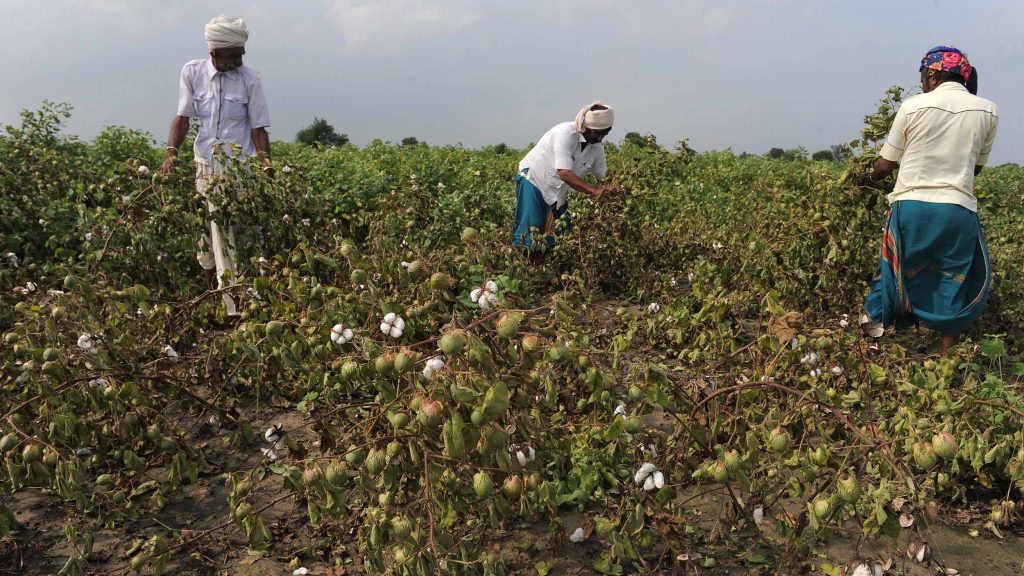
Evidence from global farming communities demonstrates the risks posed by climate change. In major cotton-producing regions of India, for instance, surveys showed that many farmers experienced severe crop losses due to flooding and drought in recent years. Similar climate-related disruptions are increasingly affecting agricultural regions across Africa, including Nigeria’s grain, cotton, and livestock sectors.
Climate disasters accelerate soil erosion by stripping away fertile topsoil, while unsustainable farming practices worsen the damage. Regenerative agriculture aims to reverse this cycle by rebuilding soil nutrients, improving water retention, and enhancing ecosystem stability.
Field programmes in several farming regions have already demonstrated the benefits of regenerative methods. Farmers adopting regenerative techniques have recorded improvements in crop yields, reductions in production costs, and lower water consumption. Reduced reliance on chemical inputs also shields farmers from price fluctuations in fertilizers and pesticides, improving profitability and stability.
Additionally, regenerative practices such as agroforestry and biochar application contribute to carbon capture, helping to reduce greenhouse gas emissions while restoring degraded land. Research has shown that sustainable irrigation methods and reduced chemical fertilizer usage can significantly lower the carbon footprint of agricultural production.
When applied across large farming regions, regenerative agriculture can support national climate goals, strengthen food systems, and improve long-term economic sustainability.
Role of Government and Private Sector
The transition toward regenerative agriculture requires strong support from policymakers, financial institutions, and agribusiness stakeholders. Governments play a critical role in encouraging adoption by providing incentives that make sustainable farming economically attractive.
These incentives may include targeted subsidies, affordable financing schemes, and grants designed to support soil restoration, crop diversification, and climate-smart farming techniques. Some countries have already introduced soil protection programmes and crop rotation incentives to encourage farmers to adopt sustainable land management practices.
For export-driven agricultural economies, investments in soil health are strategic measures that protect productivity and ensure long-term market competitiveness.
Beyond government policies, private sector actors and international trade regulators also have responsibilities. Supply chain transparency, sustainability certification systems, and traceability frameworks are becoming essential tools in global commodity markets. Such measures help consumers and investors support environmentally responsible production systems.
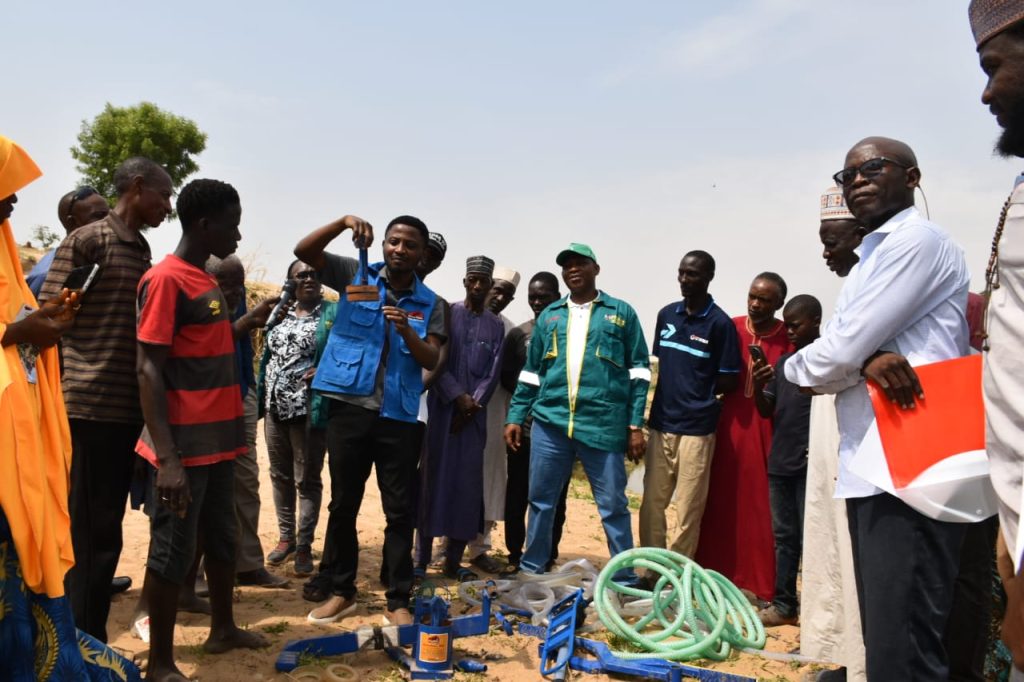
Companies are increasingly investing in farmer training programmes, demonstration farms, and knowledge-sharing networks to promote regenerative farming techniques. These initiatives improve farmers’ access to modern tools and strengthen the spread of sustainable practices within rural communities.
The Future of Sustainable Agriculture
The environmental risks highlighted in global assessments ultimately reflect the consequences of delayed action. Soil degradation, biodiversity loss, and climate instability cannot be addressed through policy declarations alone. They require practical changes in farming systems and coordinated action across governments, businesses, and farming communities.
Regenerative agriculture offers a realistic solution for restoring soil productivity, strengthening supply chains, and ensuring long-term food security. For Nigeria and other developing agricultural economies, adopting regenerative practices could play a major role in building resilient farming systems capable of supporting both economic growth and environmental sustainability.