
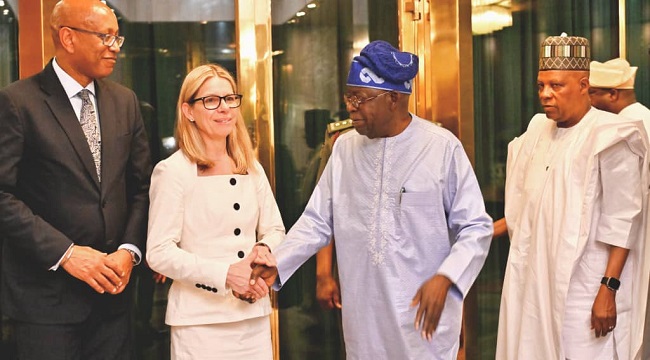
President Bola Ahmed Tinubu has appealed to the World Bank for continued support in advancing Nigeria’s economic reform agenda, with agriculture, youth employment, and private sector development identified as key priority areas aimed at strengthening the nation’s economy.
The President made the appeal while receiving a delegation from the World Bank, led by the Managing Director of Operations, Anna Bjerde, at the State House in Abuja. Tinubu noted that his administration remains committed to ongoing economic reforms, describing them as necessary steps toward building a stable and prosperous economy despite the initial challenges associated with such changes.
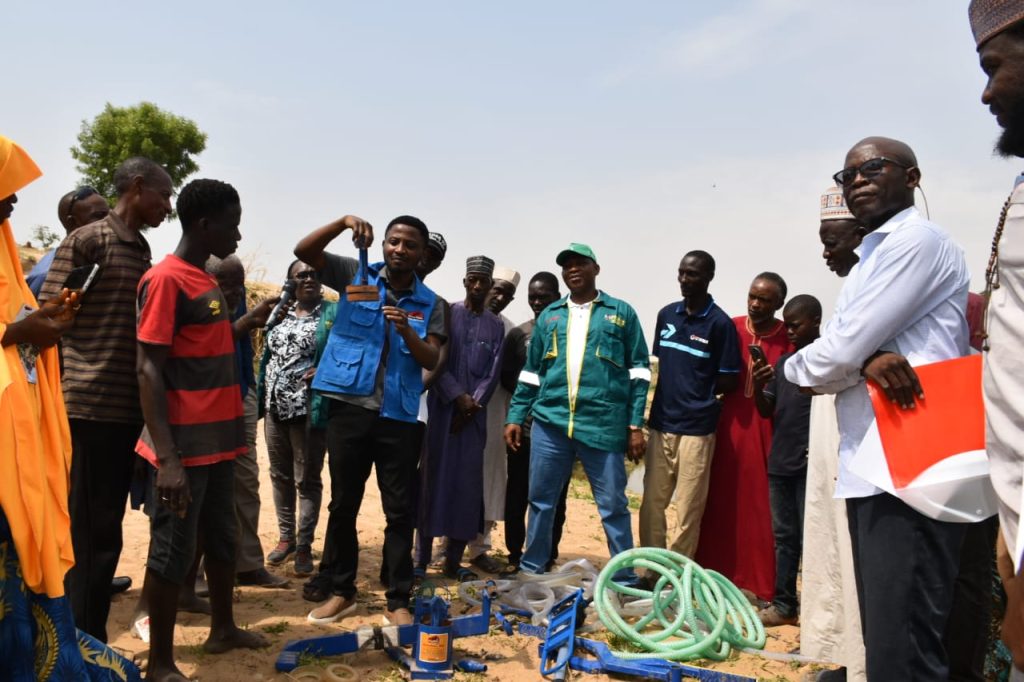
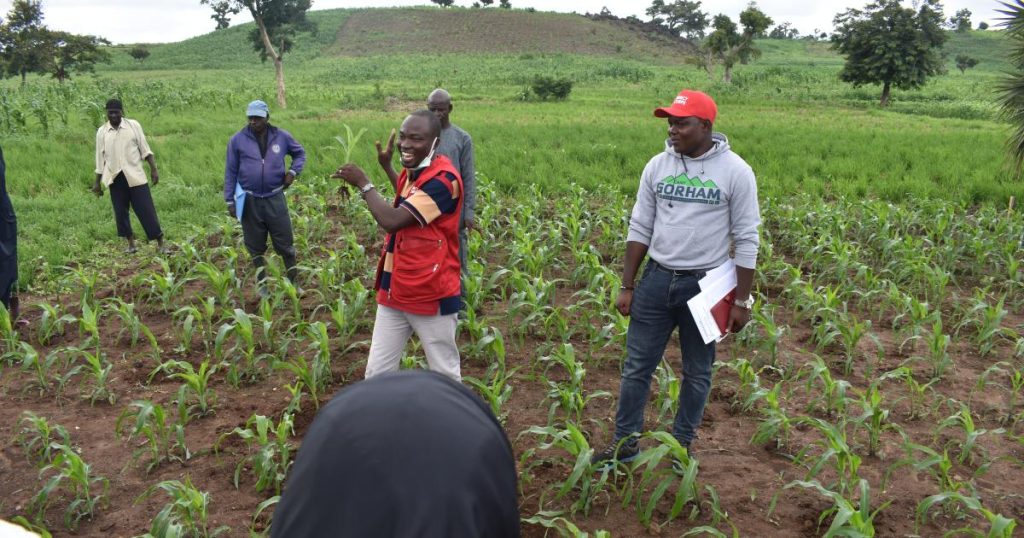
Highlighting agriculture as a central pillar of the reform agenda, the President emphasized the need for mechanization and modernization of farming practices to boost productivity and create employment opportunities for Nigeria’s growing youth population. He explained that the government is establishing mechanization centres to support farmers with improved seeds, fertilizers, and modern farming equipment.
Tinubu also stated that the administration aims to transition farmers from small-scale production to organized cooperative systems that can increase output, strengthen value chains, and create sustainable economic opportunities across rural communities.
Beyond agriculture, the President noted ongoing efforts to strengthen domestic industries, including the petrochemical sector, as part of a broader strategy to enhance local production and expand market opportunities. He stressed that the reform process is focused on promoting transparency, accountability, and economic stability while creating a more investor-friendly environment by reducing bureaucratic barriers and developing workforce skills.
According to Tinubu, while the early phase of the reforms contributed to rising inflation, economic indicators have begun to improve, with inflation showing signs of moderation and the Naira achieving relative stability.
In her remarks, World Bank Managing Director Anna Bjerde commended Nigeria’s commitment to reform implementation, describing the country as an emerging global example of consistent and strategic economic transformation. She noted that the government’s clear communication and policy direction have helped boost investor confidence and strengthened global perception of Nigeria’s economic potential.
Bjerde further stressed the importance of job creation, particularly for young people, noting that small and medium-sized enterprises (SMEs) remain critical drivers of employment. She identified agriculture as one of Nigeria’s largest economic sectors and employers, adding that investments in mechanization, cooperative farming, infrastructure development, and value-chain expansion could significantly improve productivity and generate more economic opportunities.
The World Bank reaffirmed its commitment to supporting Nigeria’s reform initiatives, particularly in areas that promote inclusive economic growth, agricultural development, and sustainable job creation.


Nice