
Sorghum Production in Nigeria
Sorghum, popularly known as guinea corn in Nigeria, is one of the country’s most resilient and climate-adapted grains, playing a critical role in food security and industrial processing.
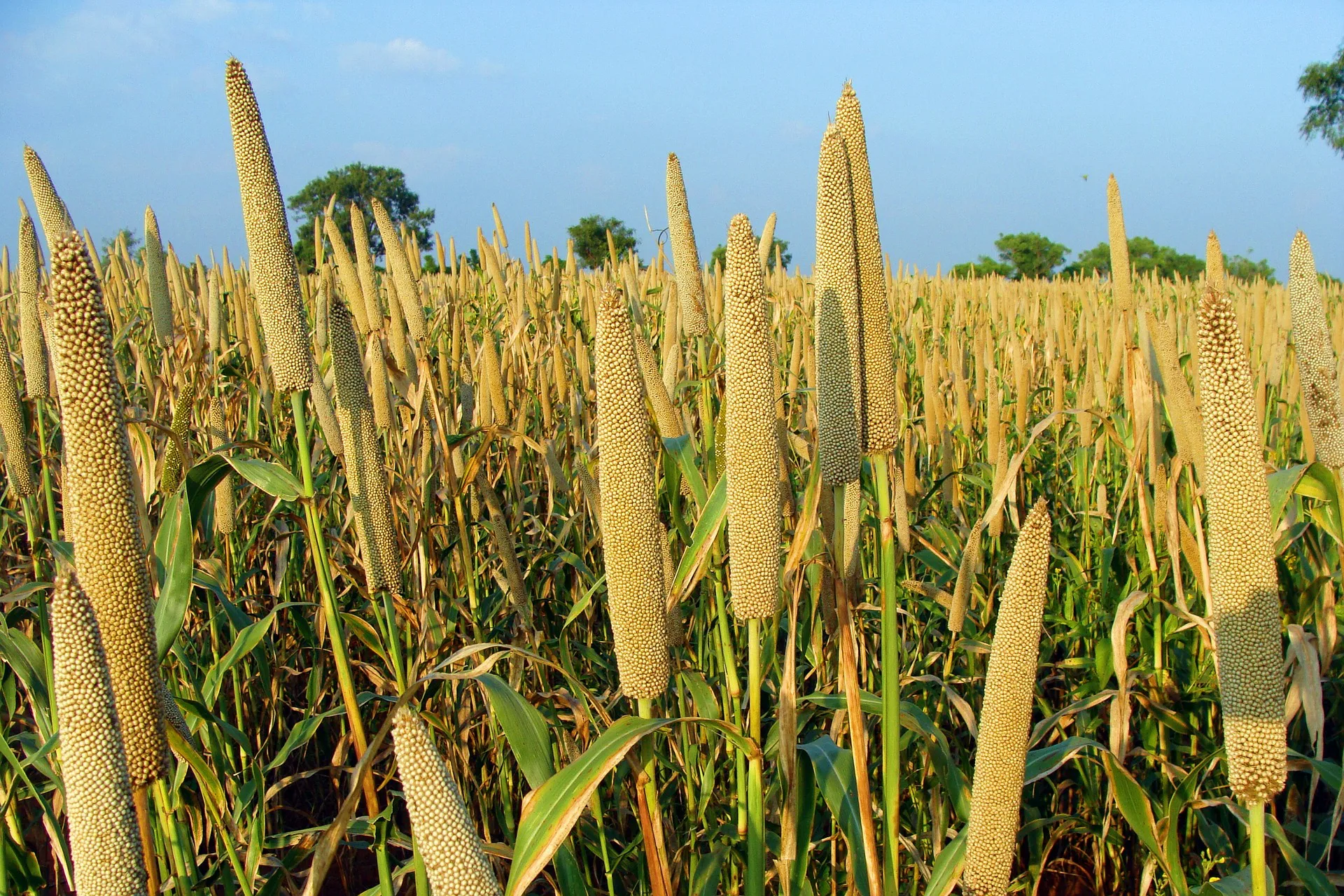
Introduction
Sorghum thrives in semi-arid and drought-prone regions, making it particularly important in Northern Nigeria. It is highly tolerant to heat and low rainfall, which positions it as a strategic crop in the face of climate change and desertification challenges.
Nigeria ranks among the largest producers of sorghum in Africa. The grain is cultivated predominantly by smallholder farmers and is deeply embedded in traditional diets and local agro-industries.
Major Producing States
- Kano
- Kaduna
- Katsina
- Borno
- Jigawa
- Zamfara
- Bauchi
Production is concentrated in the Sudan and Sahel Savanna ecological zones where rainfall patterns support its growth cycle.
Uses of Sorghum
Sorghum has both food and industrial applications. It is consumed in various traditional forms and is increasingly used as an alternative raw material in commercial production.
- Tuwo and local swallow meals
- Kunu and traditional beverages
- Brewing industry (as substitute for barley)
- Animal feed production
- Flour blending and processed foods
Market Demand and Industrial Importance
Major breweries in Nigeria utilize sorghum as a key raw material due to local sourcing advantages. This has significantly boosted demand and commercial cultivation. Its affordability compared to imported grains also strengthens its competitiveness.
Sorghum prices tend to remain relatively stable compared to maize but are influenced by regional harvest cycles and industrial demand.
Challenges
- Low yield varieties among smallholders
- Limited access to improved seeds
- Post-harvest storage losses
- Insecurity in northern farming belts
Investment Opportunities
Opportunities exist in improved seed production, mechanized farming systems, structured aggregation, warehousing, and expansion into export-grade sorghum markets.
