
Millet Production in Nigeria
Millet is one of Nigeria’s oldest cultivated grains and a highly drought-resistant crop essential for food security in arid and semi-arid regions.
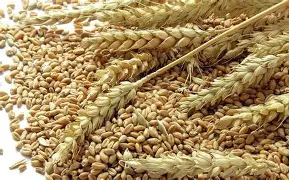
Introduction
Millet thrives in low rainfall conditions and poor soils, making it a reliable crop for farmers in Northern Nigeria. It plays a vital role in subsistence farming systems and traditional diets.
As climate variability increases, millet’s importance continues to grow because of its short growing cycle and resilience to extreme weather.
Major Producing States
- Katsina
- Sokoto
- Kano
- Jigawa
- Borno
- Yobe
Uses of Millet
- Tuwo and local swallow meals
- Kunu and fermented drinks
- Infant cereals
- Livestock feed
Market Demand
Millet is primarily consumed locally, but urban demand is gradually increasing due to growing awareness of its nutritional benefits, including high fiber and mineral content.
Challenges
- Low commercial investment
- Limited processing infrastructure
- Market access constraints
Opportunities
Health food markets, packaged millet flour, and export opportunities for gluten-free products represent promising growth areas.
