
Complete Guide to Starting Rice Farming in Nigeria
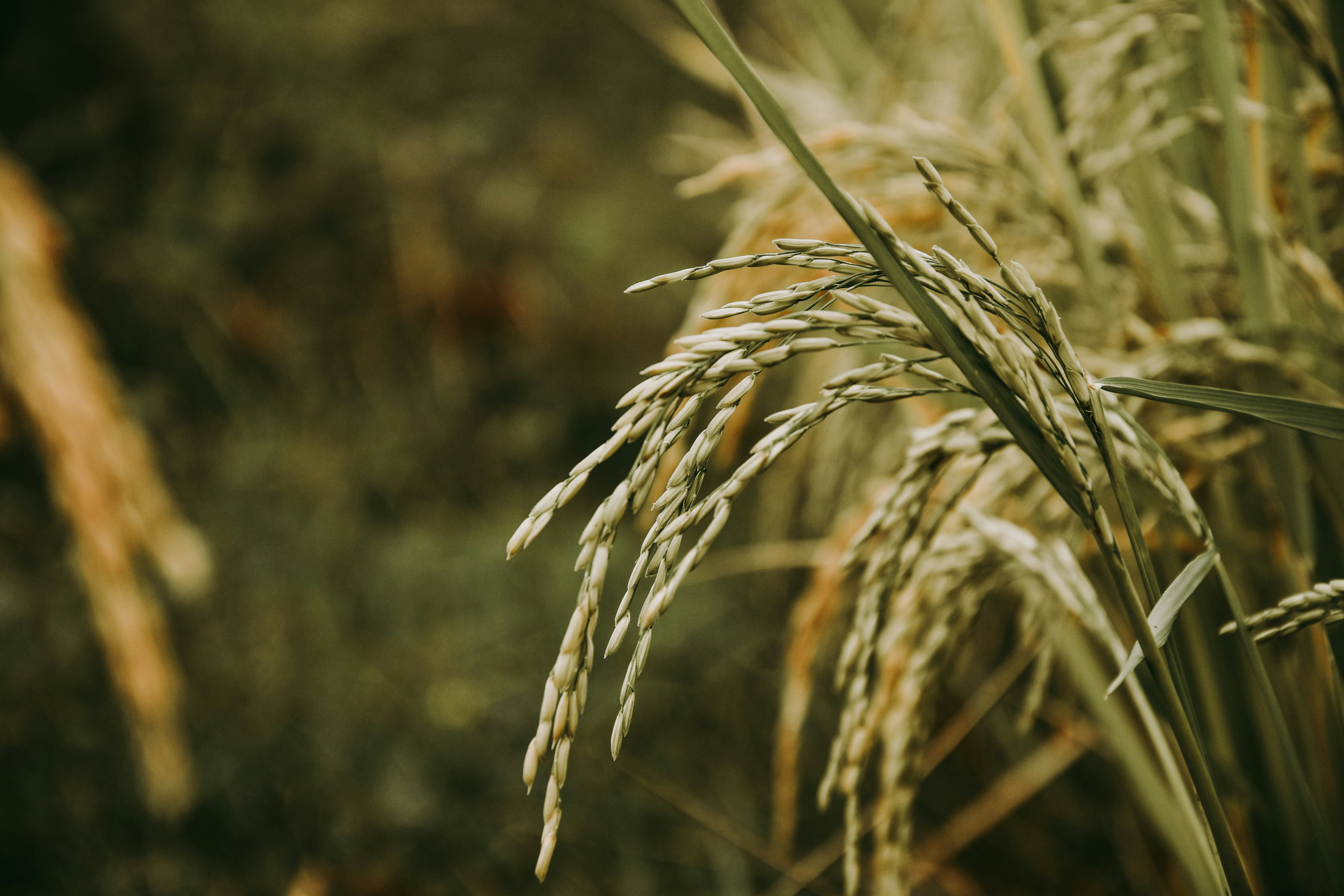
Rice farming in Nigeria is not just another agricultural activity—it is one of the most important economic and food security sectors in the country. Every day, millions of Nigerians consume rice, making it one of the most demanded food commodities nationwide. However, despite this massive demand, local production has historically struggled to meet consumption levels, creating a persistent supply gap. This gap is exactly where opportunity lies. For anyone serious about agriculture as a business, rice farming offers one of the most realistic pathways to building a scalable and profitable venture.
- Rice demand is consistent and nationwide
- Local production still lags behind consumption
- Strong opportunity for commercial farmers
- Government policies favor local production
However, starting rice farming successfully requires more than just access to land and seeds. It requires understanding the entire system—from land selection to market access. Many new farmers fail not because rice farming is unprofitable, but because they approach it without proper planning, technical knowledge, or market strategy. This guide is designed to walk you through the entire process in a connected and practical way, so you can avoid common mistakes and build a sustainable operation.
- Planning is more important than starting capital
- Knowledge reduces costly mistakes
- Market strategy determines profitability
- Farming should be approached as a business
1. Understanding the Reality of Rice Farming in Nigeria
Before starting, it is important to understand that rice farming in Nigeria operates within different environmental and economic conditions depending on location. The country has multiple agro-ecological zones, meaning that what works in Kebbi may not work exactly the same way in Ogun or Enugu. This is why experienced farmers always begin by understanding their specific environment rather than copying another farmer blindly.
- Farming methods vary by region
- Climate and soil affect productivity
- No single method works everywhere
- Local knowledge is critical
There are three major rice farming systems in Nigeria: upland, lowland, and irrigated systems. Upland farming depends entirely on rainfall and is easier to start but comes with higher risk. Lowland farming benefits from natural water retention and offers better yield stability. Irrigated farming, which is the most advanced, allows farmers to control water supply and farm multiple times a year, making it the most profitable but also the most capital-intensive.
- Upland = low cost but risky
- Lowland = more stable yields
- Irrigation = highest productivity
- System choice affects income potential
2. Land Selection: The Foundation of Everything
One of the biggest mistakes new farmers make is choosing land based on availability instead of suitability. Rice is a water-loving crop, which means your land must be able to retain water effectively. The best soils for rice farming are clay or clay-loam soils because they hold water for longer periods, reducing irrigation needs and improving plant growth.
- Clay soil retains water effectively
- Wrong soil leads to poor yield
- Land determines irrigation cost
- Soil testing is highly recommended
Location also matters beyond soil. You need to consider proximity to markets, accessibility for machinery, and security. A farm that produces high yield but cannot transport produce efficiently will struggle financially. This is why commercial farmers think beyond farming—they think logistics from day one.
- Access roads reduce transport cost
- Nearness to market improves sales speed
- Security protects investment
- Logistics affect profitability
3. Capital and Cost Planning
Rice farming requires upfront investment, and understanding your cost structure early is essential. Your expenses will include land preparation, seeds, fertilizers, labor, irrigation (if applicable), and harvesting. Many farmers underestimate these costs and run out of capital halfway through the farming cycle.
- Fertilizer and labor are major costs
- Mechanization increases upfront cost but saves long-term
- Budgeting prevents project failure
- Start with manageable scale
It is often better to start small and scale gradually rather than investing heavily without experience. A well-managed 1 hectare farm is more profitable than a poorly managed 10 hectares farm. Experience in your first cycle will guide expansion decisions.
- Start small and learn
- Scale based on results
- Experience improves efficiency
- Risk is lower at smaller scale
4. Seeds and Planting Strategy
Seed selection is one of the most critical decisions you will make. Improved varieties such as FARO and NERICA are widely used because they mature faster, resist diseases better, and produce higher yields compared to local varieties.
- Improved seeds increase output
- Certified seeds ensure uniform growth
- Better resistance reduces losses
- Maturity period affects planning
Planting can be done by broadcasting or transplanting. Transplanting is more labor-intensive but produces better yields because spacing is controlled. Broadcasting is faster but often leads to uneven plant growth.
- Transplanting improves yield
- Broadcasting saves time
- Spacing affects productivity
- Method depends on labor availability
5. Farm Management: Where Profit is Made or Lost
Once your rice is planted, the real work begins. Proper management during the growth cycle determines whether your farm will be profitable or not. This includes fertilizer application, weed control, pest management, and water regulation.
- Management affects yield directly
- Neglect leads to losses
- Timing of operations is critical
- Consistency is key
Weeds are one of the biggest threats in the early stages. If not controlled within the first few weeks, they can significantly reduce yield. Similarly, pests and diseases must be monitored regularly and controlled early before they spread.
- Weeds compete for nutrients
- Early control is most effective
- Pests reduce grain quality
- Regular monitoring is essential
6. Harvesting, Processing, and Selling
Harvesting at the right time is crucial. Harvest too early, and your grains will be immature. Harvest too late, and you risk losses from shattering and pests. Timing is everything in this stage.
- Correct timing ensures quality
- Late harvest causes losses
- Moisture level must be optimal
- Proper tools improve efficiency
After harvesting, rice must be processed before it can be sold. This includes drying, threshing, and milling. Farmers who go beyond selling raw paddy and invest in processing often earn significantly higher profits.
- Processing adds value
- Milling increases market price
- Drying prevents spoilage
- Value chain increases income
Marketing is just as important as production. Before you even plant, you should already know who you will sell to—mills, wholesalers, or retailers. Farming without a market plan is one of the fastest ways to lose money.
- Secure buyers early
- Market determines price
- Branding increases value
- Cooperatives improve bargaining power
Conclusion
Rice farming in Nigeria is a powerful opportunity, but only for those who approach it with the right mindset. It is not just farming—it is a business that requires planning, discipline, and continuous learning. Those who treat it professionally can build highly profitable and scalable operations.
- Think like a business owner
- Focus on efficiency and yield
- Plan before execution
- Scale gradually for long-term success
