
How to Start Cassava Farming in Nigeria
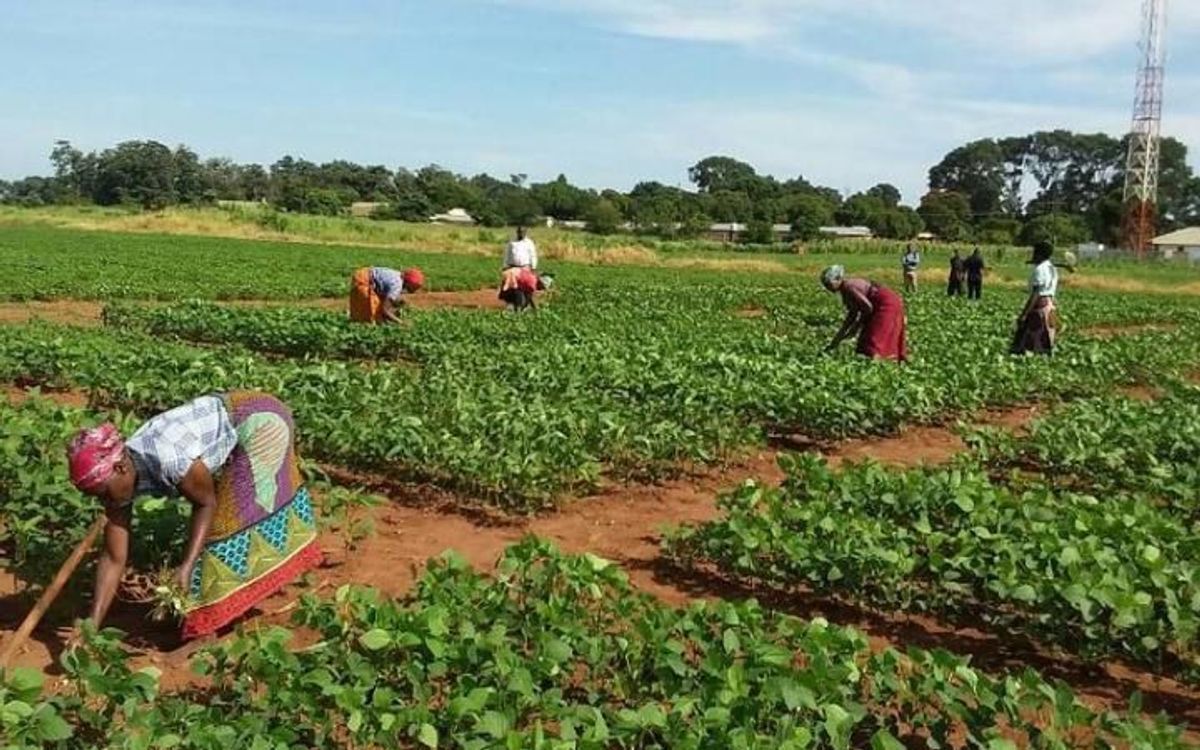
Cassava farming is one of the most powerful, resilient, and scalable agribusiness opportunities in Nigeria today. As both a staple food and a critical industrial raw material, cassava underpins food security for millions of households and feeds a fast-growing value chain that spans food processing, pharmaceuticals, textiles, adhesives, ethanol, and animal feed. Nigeria is the world’s largest producer of cassava, yet there remains a significant productivity gap between average farm yields and what is achievable using modern agronomic practices and improved varieties. This gap represents a massive profit opportunity for farmers who are willing to adopt best practices and operate their farms like structured businesses.
This elite guide is designed to move you from beginner to advanced-level operator. It covers the full cassava value chain—from land acquisition and varietal selection to mechanized processing, cost analysis, profit projections, and export opportunities. Whether you are cultivating 1 hectare or scaling to 100+ hectares, the systems in this guide will help you build a resilient, profitable cassava enterprise.
1. The Cassava Opportunity in Nigeria (Market & Value Chain)
Cassava’s strength lies in its versatility. Fresh roots can be processed into garri, fufu, lafun, and high-quality cassava flour (HQCF). Industrially, cassava is processed into starch, glucose syrup, ethanol, and adhesives. The livestock industry uses cassava chips and peels as energy sources in feed formulation. With rising wheat prices, many bakeries are adopting cassava-wheat composite flour, further increasing demand for HQCF.
The value chain can be broken into four main segments: (1) Production (root farming), (2) Aggregation (collection and bulk sales), (3) Processing (garri, flour, starch, ethanol), and (4) Distribution/Export. Profits increase significantly as you move downstream. While root sales offer quick cash flow, processing and branding unlock higher margins and price stability.
2. Agro-Ecology: Climate, Soil & Site Selection
Cassava thrives in tropical climates with temperatures between 25–30°C and annual rainfall of 1,000–1,500 mm. It is drought-tolerant, making it ideal for areas with erratic rainfall. However, waterlogging is a major risk; choose well-drained sites and avoid low-lying areas prone to flooding.
Optimal soils are sandy loam to loam with pH 5.5–6.5. Deep soils allow tubers to expand freely, improving both yield and root size. Conduct a soil test before planting to determine nutrient status and liming needs. Where soil acidity is high, apply agricultural lime several weeks before planting.
3. Land Preparation (Manual vs Mechanized Systems)
Land preparation determines early plant establishment and final yield. The process includes clearing, stumping, ploughing, and harrowing. For large-scale farms, mechanization reduces labor cost per hectare and ensures uniform field conditions.
Ridges vs Mounds vs Flat Planting
Ridges are preferred in most regions because they improve drainage and tuber expansion. Mounds are suitable for heavier soils, while flat planting can be used in well-drained sandy soils. Spacing should typically be 1 m × 1 m (10,000 stands/ha), though this may be adjusted depending on variety and target tuber size.
4. Variety Selection (Yield, Disease Resistance & Market Fit)
Choosing the right variety is critical. Improved varieties from research institutes offer higher yields, faster maturity, and resistance to major diseases such as cassava mosaic disease (CMD) and cassava brown streak disease (CBSD).
Popular Improved Varieties
- High Yield TMS 30572
- Early Maturity TME 419
- High Starch TMS 98/0505
Select varieties based on your target market. For garri and fufu, choose varieties with good swelling index and low cyanide. For starch and ethanol, prioritize high dry matter content and starch percentage.
5. Planting Materials: Stem Selection & Handling
Cassava is propagated using stem cuttings (stakes). Select healthy, disease-free stems from 8–12 month-old plants. Cut stems into 20–25 cm lengths with 5–7 nodes. Avoid bruised or infected stems.
Planting orientation can be vertical, inclined, or horizontal. Vertical or slightly inclined planting improves root depth and reduces lodging. Ensure at least two nodes are buried for proper establishment.
6. Planting Calendar & Field Operations
Plant at the onset of rains for optimal moisture. In the Middle Belt, this typically falls between April and June. Late planting is possible but may reduce yield depending on rainfall distribution.
Establish a field operations calendar covering planting, first weeding (3–4 weeks), second weeding (6–8 weeks), fertilizer application (4–8 weeks), and periodic scouting for pests and diseases.
7. Soil Fertility & Fertilizer Strategy
Cassava can tolerate relatively poor soils, but high yields require balanced nutrition. Apply NPK (e.g., 15-15-15 or 12-12-17-2) at 4–8 weeks after planting. Rates vary by soil test, but a common recommendation is 200–400 kg/ha split into two applications.
Organic amendments such as poultry manure (2–5 t/ha) improve soil structure, microbial activity, and moisture retention. Integrating organic and inorganic fertilizers (integrated soil fertility management) delivers the best results.
8. Weed Management (Critical First 12 Weeks)
Weeds are most damaging during the first 8–12 weeks. Two to three weedings are typically required. Options include manual hoe weeding, pre-emergence herbicides (e.g., pendimethalin), and post-emergence options where appropriate.
Mulching can reduce weed pressure and conserve moisture. In large-scale systems, herbicide programs combined with minimal manual weeding provide the most cost-effective approach.
9. Pest & Disease Management (IPM Approach)
Key pests include cassava mealybugs and green mites. Diseases include CMD and CBSD. Use integrated pest management (IPM): resistant varieties, clean planting materials, field sanitation, and targeted chemical control when necessary.
Regular scouting (every 2–3 weeks) helps detect issues early. Remove and destroy infected plants to prevent spread.
10. Water Management & Climate Resilience
Cassava tolerates drought better than many crops, but prolonged dry spells reduce yields. In rainfed systems, conserve soil moisture through mulching and proper ridge design. Where feasible, supplemental irrigation during critical stages improves tuber bulking.
11. Harvesting Strategy (Timing & Yield Optimization)
Harvest typically occurs between 9 and 12 months, depending on variety and market goal. Early harvesting (8–9 months) suits fresh markets; later harvesting (10–12 months) increases starch content for processing.
Plan staggered harvesting to match processing capacity and market demand. Avoid leaving mature roots too long in the ground as quality may decline.
12. Post-Harvest Handling & Rapid Processing
Cassava deteriorates rapidly after harvest (post-harvest physiological deterioration). Process within 24–48 hours. Transport roots in shaded conditions and minimize mechanical damage.
Processing Pathways
- Garri (roasting fermented mash)
- Fufu (fermented wet paste)
- HQCF (dried and milled flour)
- Starch (wet extraction)
- Ethanol (industrial fermentation)
13. Processing Systems (Manual vs Mechanized)
Traditional processing is labor-intensive and less efficient. Mechanized systems (graters, presses, flash dryers, roasters) improve yield, hygiene, and throughput. For commercial operations, invest in modular processing lines that can scale with volume.
14. Cost & Profit Analysis (1 Hectare Model)
| Item | Estimated Cost (₦) |
|---|---|
| Land Clearing & Preparation | 100,000 |
| Planting Materials (Stems) | 60,000 |
| Fertilizer & Application | 80,000 |
| Weeding & Labor | 90,000 |
| Miscellaneous | 40,000 |
| Total Cost | 370,000 |
Yield scenarios:
- Low (10 t/ha): ₦800,000 – ₦1,200,000 revenue (fresh roots)
- Medium (20 t/ha): ₦1.6m – ₦2.4m revenue
- High (30 t/ha): ₦2.4m – ₦3.6m+ revenue
Processing into garri or HQCF can significantly increase total revenue depending on recovery rates and market prices.
15. Marketing Channels & Pricing Strategy
Sell through farm-gate buyers, aggregators, cooperatives, or directly to processors. Build relationships with off-takers before harvest to reduce price risk. For processed products, develop a simple brand, consistent packaging, and distribution to local markets and urban retailers.
16. Export & Industrial Opportunities
Industrial buyers require consistent quality and volume. HQCF, starch, and ethanol markets offer strong long-term demand. Meeting standards (moisture content, cleanliness, packaging) is essential for export readiness.
17. Risk Management & Scaling Strategy
Key risks include weather variability, pest outbreaks, and price volatility. Mitigate these through diversification (intercropping), irrigation where possible, improved varieties, and forward contracts with buyers.
Scale gradually: start with 1–5 hectares, optimize systems, then expand. Reinforce operations with record-keeping, cost tracking, and yield analysis.
18. Common Mistakes to Avoid
- Using diseased or poor-quality stems
- Inadequate weeding in early growth
- No fertilizer or wrong application timing
- Poor drainage leading to root rot
- Delayed processing after harvest
19. Frequently Asked Questions (SEO Booster)
How long does cassava take to mature?
Typically 9–12 months depending on variety and target use.
What is the best spacing for cassava?
About 1 m × 1 m for most systems, adjustable based on variety and soil fertility.
Can cassava grow without fertilizer?
Yes, but yields will be significantly lower compared to fertilized fields.
Is cassava farming profitable?
Yes—especially when integrated with processing or aggregation for better margins.
20. Final Thoughts
Cassava farming is not just a crop—it is an ecosystem of opportunities. With the right varieties, disciplined field management, and smart positioning within the value chain, farmers can build durable, high-margin businesses that scale over time. Treat your farm like an enterprise: plan, measure, optimize, and expand.
