
How to Start Cocoa Farming in Nigeria
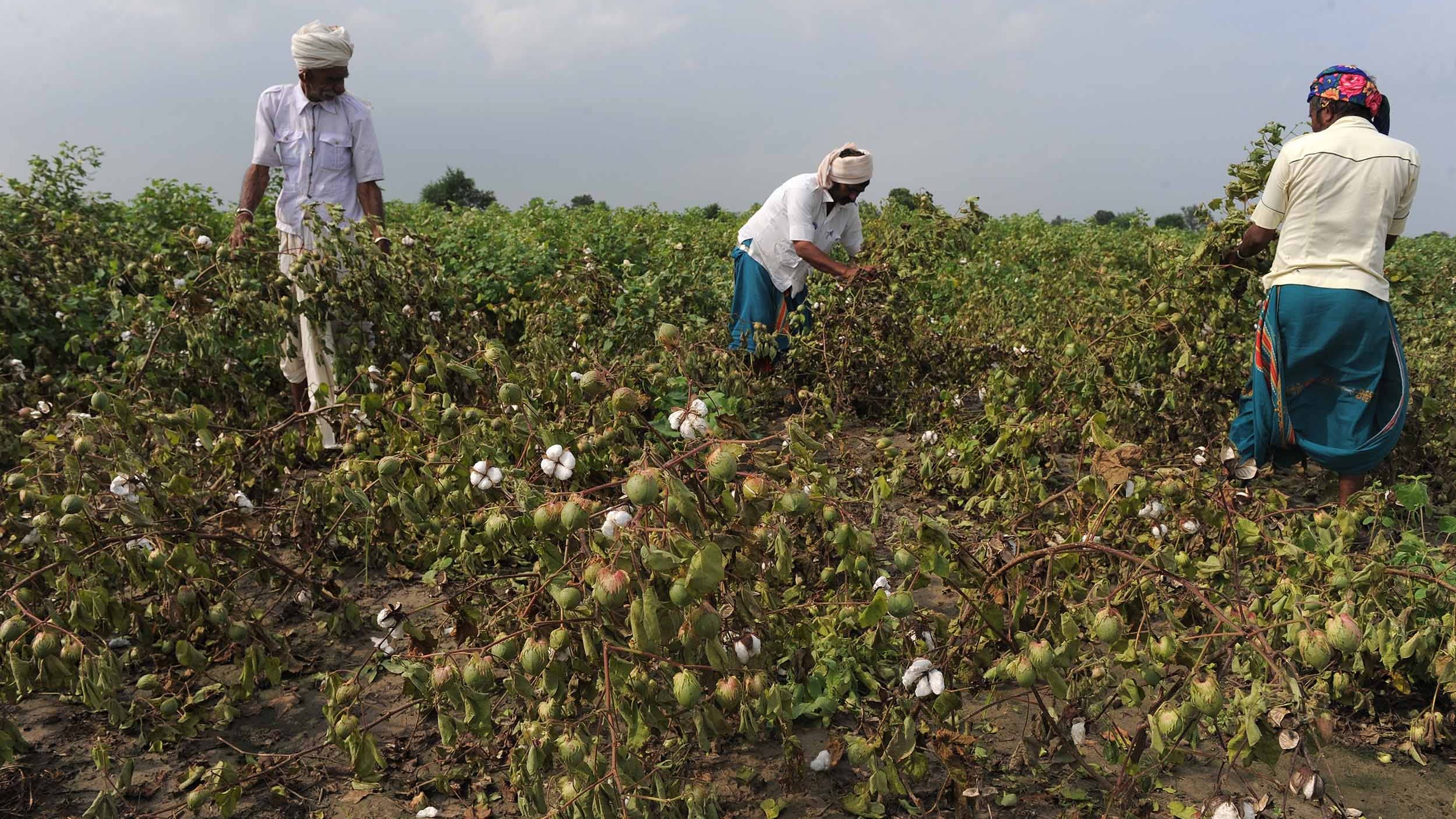
Cocoa farming is one of the most historically significant and economically valuable agricultural enterprises in Nigeria. Cocoa (Theobroma cacao) is a perennial cash crop cultivated primarily for its beans, which are the primary raw material for chocolate, cocoa butter, cocoa powder, beverages, cosmetics, and pharmaceuticals. Nigeria remains one of the leading cocoa producers in Africa, with strong production clusters in the southwestern region including Ondo, Oyo, Ogun, Osun, and Ekiti states.
Despite Nigeria’s strong position in global cocoa production, there is still a significant yield gap compared to countries like Côte d’Ivoire and Indonesia. This gap presents a massive opportunity for farmers who adopt improved agronomic practices, modern plantation management systems, and value-added processing strategies.
1. The Cocoa Industry Opportunity in Nigeria
The global cocoa industry is valued at tens of billions of dollars annually, driven by chocolate consumption in Europe, North America, and Asia. Nigeria exports raw cocoa beans, but most of the value addition happens outside the country. This creates a major opportunity for local farmers and investors to move into processing and branding.
The cocoa value chain includes production, fermentation, drying, aggregation, export, and industrial processing. Farmers who remain at the production stage earn less, while those who integrate fermentation, drying, or processing capture significantly higher margins.
2. Climate and Agro-Ecological Requirements
Cocoa thrives in humid tropical rainforest zones with high rainfall and consistent humidity. Optimal rainfall ranges from 1,250 mm to 2,500 mm annually, with minimal dry stress periods.
Temperature plays a critical role in cocoa development. The ideal range is 21°C to 32°C. Excess heat or prolonged drought can reduce flowering and pod development.
Soil requirements include deep, fertile, well-drained loamy soils with a pH range of 5.0 to 6.5. Cocoa is highly sensitive to waterlogging and soil compaction.
3. Land Selection and Preparation
Land selection is critical for long-term cocoa success. Ideal land should be located in forest zones or areas with established tree cover. Clearing should be done carefully to preserve topsoil structure and organic matter.
After clearing, planting holes are prepared at a spacing of approximately 3m × 3m, giving about 1,100–1,200 trees per hectare. Organic manure or compost is added to each planting hole to enhance early root development.
4. Cocoa Varieties and Planting Materials
Cocoa varieties are broadly classified into Forastero, Criollo, and Trinitario types. In Nigeria, improved Forastero hybrids are most commonly used due to their higher yield and disease resistance.
Improved hybrid seedlings are preferred over seed propagation due to uniformity, early maturity, and resistance to pests and diseases such as black pod disease and cocoa swollen shoot virus.
5. Nursery Establishment and Seedling Management
Cocoa seedlings are first raised in nurseries for 3–6 months before transplanting. Shade is essential at this stage to protect young seedlings from direct sunlight.
Regular watering, pest protection, and proper spacing in polybags ensure healthy seedling development. Only vigorous seedlings should be selected for field transplanting.
6. Transplanting and Field Establishment
Transplanting is best done at the beginning of the rainy season to ensure adequate moisture. Seedlings are carefully transferred to prepared holes without damaging the root system.
Spacing of 3m × 3m ensures optimal canopy development, sunlight penetration, and air circulation. Proper establishment reduces disease incidence and improves long-term productivity.
7. Shade Management and Agroforestry Systems
Cocoa is naturally a shade-loving crop. Temporary shade plants such as plantain, banana, and cassava are often used during early growth stages. Permanent shade trees may also be integrated into agroforestry systems.
Shade management improves microclimate conditions, reduces evapotranspiration, and enhances soil moisture retention.
8. Fertilizer and Soil Fertility Management
Cocoa requires balanced nutrition for optimal growth. Key nutrients include nitrogen, phosphorus, potassium, calcium, and magnesium. Organic manure and inorganic fertilizers are often combined for best results.
Soil testing is highly recommended to determine nutrient deficiencies and guide fertilizer application rates.
9. Pruning and Canopy Management
Pruning is essential to maintain tree structure, remove diseased branches, and improve light penetration. Proper canopy management reduces pest and disease pressure.
Pruning should be done after harvest and before the rainy season for best results.
10. Pest and Disease Management
Major threats include black pod disease, cocoa swollen shoot virus, and mirid infestations. Integrated pest management (IPM) strategies include resistant varieties, sanitation, pruning, and approved chemical treatments.
11. Flowering, Pod Development and Yield Cycle
Cocoa trees begin flowering within 2–3 years but reach full production between 5–7 years. Pods develop over 5–6 months before maturity.
Proper nutrition and pest control during flowering significantly influence final yield and bean quality.
12. Harvesting Cocoa Pods
Harvesting is done using sharp tools to cut ripe pods without damaging branches. Only ripe pods should be harvested to ensure quality beans.
Harvesting is typically done multiple times per year due to continuous flowering cycles.
13. Fermentation Process (Critical Quality Stage)
Fermentation is essential for flavor development. Beans are fermented for 5–7 days using boxes, heaps, or baskets. Turning is required to ensure uniform fermentation.
14. Drying and Storage
After fermentation, beans are sun-dried for 7–10 days until moisture content reduces to 7–8%. Proper drying prevents mold growth and ensures long shelf life.
Beans must be stored in cool, dry conditions using jute bags or ventilated storage systems.
15. Cost and Profit Analysis (1 Hectare Model)
| Item | Estimated Cost (₦) |
|---|---|
| Land Preparation | 120,000 |
| Seedlings | 150,000 |
| Fertilizer & Inputs | 100,000 |
| Labor | 200,000 |
| Total | 570,000 |
At maturity, cocoa yields can range between 500 kg to 1.5 tons per hectare depending on management practices. With global prices fluctuating, profitability increases significantly with quality fermentation and export-grade beans.
16. Marketing and Export Opportunities
Nigeria exports cocoa beans primarily to Europe and Asia. Meeting international quality standards is essential for premium pricing.
Farmers can also explore local processing into cocoa butter, powder, and chocolate products for higher margins.
17. Common Mistakes to Avoid
- Poor shade management
- Delayed harvesting
- Improper fermentation
- Neglecting pruning
- Ignoring disease control
18. Frequently Asked Questions
How long does cocoa take to mature?
3–5 years for first harvest, full production after 5–7 years.
Is cocoa farming profitable in Nigeria?
Yes, especially with proper fermentation and export-quality production.
19. Final Thoughts
Cocoa farming is a long-term but highly rewarding investment. With proper management, farmers can build generational wealth through consistent production and access to global markets.
