
How to Start Livestock Feed Production in Nigeria.
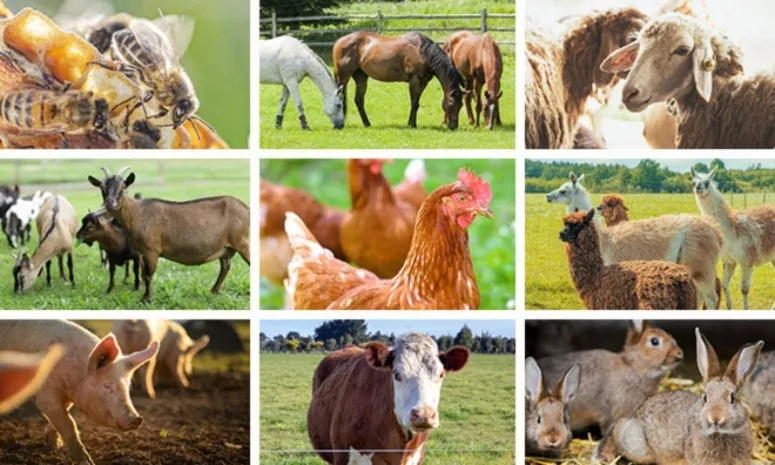
Livestock feed production is one of the most strategically important agribusiness sectors in Nigeria because it sits at the center of all animal protein production systems. Unlike crop farming, which is seasonal and climate-dependent, feed production operates as an industrial, year-round demand-driven business where revenue is generated continuously as long as livestock production exists.
- Feed is required daily in livestock production systems
- Demand is not seasonal but continuous
- Industry is linked to poultry, fish, pigs, and cattle
- High dependency creates stable cashflow cycles
Nigeria’s livestock industry is expanding rapidly due to population growth, urbanization, and increasing demand for affordable protein sources. However, feed accounts for up to 60–70% of total livestock production cost, making it the most critical input in the entire value chain.
- Feed is the highest cost in livestock production
- Any efficiency gain directly impacts farmer profitability
- High demand ensures consistent market absorption
- Feed mills act as backbone of livestock ecosystem
1. Understanding the Livestock Feed Industry in Nigeria
The livestock feed industry in Nigeria is a multi-billion-naira ecosystem powered by poultry farms, fish farms, piggery operations, and emerging commercial livestock enterprises. It operates as a supply chain network where raw agricultural materials are converted into scientifically balanced nutrition for animals.
- Industry is demand-driven not speculative
- Poultry dominates feed consumption market
- Aquaculture is fastest-growing segment
- Feed demand increases with livestock expansion
The industry is structured into three major levels: small-scale farm mixing units, medium-scale commercial feed mills, and large industrial manufacturers. Each level serves a different customer base but relies on the same raw material ecosystem.
- Small scale: local farm production
- Medium scale: regional distribution
- Large scale: national supply chains
- All levels depend on grain and protein inputs
2. Types of Livestock Feeds and Market Segments
Feed formulation varies based on animal species and growth stage. Each segment has unique nutritional requirements and cost structures, which influence pricing and profitability.
Poultry Feed
Poultry feed is the largest segment and includes starter, grower, finisher, and layer formulations. It is highly protein-dependent and sensitive to quality variations.
- Highest demand segment in Nigeria
- Requires balanced protein-energy ratio
- Includes broilers and layers categories
- Fast turnover and repeat purchases
Fish Feed
Fish feed is the fastest-growing segment driven by aquaculture expansion. It requires high protein density and floating pellet technology.
- High growth aquaculture demand
- Requires extrusion technology
- Protein-intensive formulation
- Premium pricing market segment
Ruminant Feed
Cattle, sheep, and goat feed focuses more on fiber and energy balance rather than high protein content.
- Lower cost formulation
- High volume rural demand
- Feed supplement-based system
- Stable but lower margin market
3. Market Demand and Industry Opportunity
Nigeria produces millions of tons of livestock feed annually, yet demand still exceeds supply due to rapid growth in livestock farming. This structural gap creates strong opportunities for new feed mill investors.
- Demand exceeds local production capacity
- Import substitution opportunity exists
- Poultry farms are expanding rapidly
- Fish farming is scaling nationally
Feed demand is directly proportional to livestock population growth. As more farmers enter poultry and aquaculture, feed consumption increases automatically, making it a recession-resistant industry.
- Demand grows with population growth
- Food security drives expansion
- Urbanization increases protein consumption
- Stable long-term demand structure
4. Business Setup and Regulatory Structure
Starting a feed production business requires proper registration with the Corporate Affairs Commission (CAC) and compliance with regulatory bodies such as NAFDAC and SON depending on scale and distribution network.
- Legal registration is mandatory
- Compliance ensures market credibility
- Regulation improves trust with buyers
- Industrial certification may be required
A strong business structure includes sourcing strategy, production planning, pricing model, distribution channels, and working capital management.
- Raw material sourcing strategy is critical
- Pricing must reflect input volatility
- Distribution determines market reach
- Cashflow management ensures survival
5. Raw Materials and Supply Chain System
Feed production depends on agricultural raw materials such as maize, soybean meal, wheat offal, palm kernel cake, fish meal, bone meal, limestone, and vitamin premixes.
- Maize provides energy base
- Soybean provides protein structure
- Fish meal increases protein density
- Premix ensures micronutrient balance
Raw material pricing is highly volatile and directly affects feed profitability. Successful feed mills establish long-term supply contracts or backward integration strategies.
- Price volatility affects margins
- Bulk buying reduces cost
- Seasonal sourcing improves efficiency
- Integration reduces risk exposure
6. Feed Formulation Science and Economics
Feed formulation is a scientific process of balancing nutrients to achieve optimal animal growth at the lowest possible cost. It is the core profitability driver in feed production.
- Balancing protein and energy is essential
- Amino acids determine feed quality
- Cost optimization increases margins
- Small errors reduce livestock performance
Professional feed mills use formulation software to optimize cost per kilogram while maintaining nutritional standards required for livestock performance.
- Software improves precision
- Reduces formulation errors
- Improves profit margins
- Enhances production consistency
7. Equipment and Production Infrastructure
A feed mill requires machinery such as grinders, mixers, pelletizers, conveyors, weighing systems, and packaging machines. The scale of operation determines equipment complexity.
- Grinding machines process raw grains
- Mixers ensure nutrient uniformity
- Pelletizers improve feed efficiency
- Packaging ensures market readiness
Industrial feed mills require automation systems that reduce human error and increase production efficiency.
- Automation improves consistency
- Reduces labor dependency
- Increases production capacity
- Supports scalability
8. Production Process Flow System
- Raw material sourcing and inspection
- Weighing according to formulation
- Grinding and size reduction
- Mixing of all ingredients
- Pelletizing or mash production
- Cooling and drying
- Packaging and distribution
Each stage affects final feed quality. Weak control at any stage reduces animal performance and damages brand reputation.
---9. Quality Control and Production Standards
Quality control is the backbone of any successful livestock feed production business. Without strict quality assurance systems, even a well-formulated feed can fail in the market due to inconsistency, contamination, or poor nutritional performance.
- Quality determines brand trust in feed industry
- Inconsistent feed leads to livestock losses
- Contamination reduces market credibility
- Standards improve long-term customer retention
Quality control begins from raw material inspection and continues through grinding, mixing, pelletizing, packaging, and storage. Each stage must be monitored to ensure uniformity and safety.
- Raw material inspection prevents contamination
- Moisture control prevents mold formation
- Mixing accuracy ensures nutrient balance
- Final testing ensures feed consistency
10. Cost Structure and Financial Planning
Understanding cost structure is essential for feed mill profitability. Costs are typically divided into fixed costs (equipment, rent, infrastructure) and variable costs (raw materials, labor, transportation).
- Raw materials account for highest cost share
- Equipment requires high initial capital
- Labor cost increases with scale
- Transport affects distribution margins
Feed production profitability is highly sensitive to raw material price fluctuations, especially maize and soybean meal. Efficient procurement strategies directly influence margins.
- Bulk buying reduces unit cost
- Seasonal purchasing improves profitability
- Supplier contracts stabilize pricing
- Inventory management reduces losses
A well-managed feed mill can achieve profit margins between 10% and 35%, depending on scale, efficiency, and sourcing strategy.
---11. Profitability Analysis and Revenue Streams
Feed production is a high-volume, medium-margin business model. Profit is driven by sales volume rather than high unit pricing. This makes scale a critical success factor.
- Revenue depends on production capacity
- Margins improve with scale
- Repeat customers stabilize income
- Brand trust increases sales velocity
Additional revenue streams include contract manufacturing, private labeling, and distribution partnerships with agro-dealers.
- Private labeling increases margins
- Contract production ensures steady demand
- Distributor networks expand reach
- Bulk supply contracts stabilize cashflow
12. Marketing and Distribution Strategy
Marketing in the feed industry is relationship-driven rather than mass advertising-driven. Farmers and livestock producers rely heavily on trust and consistent performance.
- Trust is more important than branding
- Performance drives repeat purchases
- Distributor relationships are critical
- Farmer feedback influences growth
Distribution channels include direct farm sales, agro-dealer networks, cooperatives, and institutional buyers such as large poultry and fish farms.
- Direct sales increase profit margins
- Agro-dealers improve market coverage
- Cooperatives ensure bulk demand
- Institutions provide large contracts
13. Scaling Strategy and Expansion Model
Scaling a feed production business requires moving from manual or semi-manual systems into fully automated industrial production. Growth should be structured and capital-efficient.
- Scaling requires capital discipline
- Automation increases efficiency
- Production capacity drives revenue
- Reinvestment accelerates expansion
Successful scaling strategies include increasing production capacity, diversifying feed types, and integrating backward into raw material sourcing.
- Backward integration reduces cost
- Diversification expands market reach
- Capacity expansion increases revenue
- Systemization improves efficiency
14. Risk Analysis and Industry Challenges
Despite its profitability, feed production carries several risks including raw material price volatility, competition, quality control issues, and logistics challenges.
- Raw material prices fluctuate frequently
- Competition is increasing in urban markets
- Quality inconsistency affects brand trust
- Logistics affect delivery efficiency
Mitigating these risks requires strategic sourcing, strong supplier relationships, inventory management, and consistent quality assurance systems.
- Strategic sourcing reduces volatility risk
- Supplier diversification improves stability
- Inventory buffers reduce disruption
- Quality systems protect brand reputation
15. Technology and Innovation in Feed Production
Modern feed production is increasingly driven by technology including automated mixing systems, digital formulation software, and quality monitoring sensors.
- Automation improves production consistency
- Software reduces formulation errors
- Digital tracking improves efficiency
- Technology reduces operational waste
Feed mills that adopt technology early gain competitive advantage through improved efficiency, lower costs, and better product quality.
- Technology increases competitive advantage
- Reduces dependency on manual labor
- Improves scalability potential
- Enhances production accuracy
16. Final Industry Outlook and Investor Perspective
Livestock feed production in Nigeria represents one of the most stable agribusiness opportunities due to its direct link to food production systems. As long as livestock farming exists, feed demand will continue to grow.
- Demand is structurally permanent
- Industry grows with population growth
- Cashflow is recurring and predictable
- Scalability is virtually unlimited
Investors who understand the feed industry treat it not as a farming business but as an industrial manufacturing system tied to national food security.
- Feed industry is industrial, not agricultural
- Profit comes from scale and efficiency
- Long-term demand ensures stability
- Execution determines success
Feed production is not just manufacturing — it is a full industrial ecosystem involving procurement, production, logistics, marketing, and livestock economics.
- Quality control determines brand trust
- Distribution defines market penetration
- Marketing builds long-term demand
- Scaling requires capital discipline
Successful feed companies operate like industrial manufacturers rather than traditional farmers, focusing on efficiency, consistency, and scale.
---Final Investor Insight
Livestock feed production is one of the most stable and scalable agribusiness models in Nigeria because it is tied directly to food security systems. Unlike crop farming, demand is recurring, predictable, and expanding with population growth.
- Demand is structural not seasonal
- Revenue is recurring and scalable
- Industry is recession-resistant
- Scale determines long-term wealth
Need Expert Guidance?
Ask a Farmer
