Ultra Premium Commodity Intelligence Hub
Advanced insights into global, African, and Nigerian commodity systems — covering agriculture, metals, energy, and digital assets.
Global Commodity Intelligence
Commodities are the backbone of the global economy, representing essential raw materials traded across international markets. These include agricultural products, energy resources, and metals. The global commodity ecosystem is highly interconnected and responds rapidly to geopolitical events, climate conditions, and macroeconomic trends.
Market Structure
Commodity markets operate through spot and futures contracts, enabling hedging and price discovery.
Key Drivers
Supply-demand balance, inflation, currency fluctuations, and global conflicts influence prices.
Risk Factors
Volatility, supply chain disruptions, and political instability create uncertainty in pricing.
Precious metals like gold act as safe-haven assets during economic downturns. Energy commodities drive industrialization, while agricultural commodities remain sensitive to climate variability.
Africa Commodity Landscape
Africa holds some of the largest natural resource reserves globally. The continent plays a critical role in supplying oil, minerals, and agricultural commodities to the world.
Resource Wealth
Oil (Nigeria, Angola), gold (Ghana), and copper (Zambia) dominate African exports.
Economic Impact
Commodities drive GDP growth, foreign exchange, and employment across Africa.
Challenges
Infrastructure gaps, raw material export dependency, and limited industrialization.
Africa’s future depends on value addition, industrialization, and improved supply chain systems.
Nigeria Commodity System
Nigeria’s economy is deeply commodity-driven, with crude oil dominating exports. Agriculture provides employment, while digital assets and minerals are emerging sectors.
Energy Dominance
Oil accounts for the majority of export earnings and foreign exchange.
Agriculture Power
Millions depend on farming for food and income.
Emerging Markets
Crypto and solid minerals are gaining momentum.
Agriculture: Deep Sector Analysis
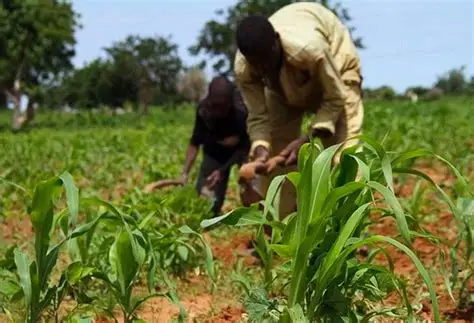
Agriculture in Nigeria is a multi-layered system involving crop production, livestock, fisheries, and agro-processing. It supports over 60% of the population directly or indirectly.
Production Systems
Subsistence and commercial farming coexist, with smallholder farmers dominating production.
Value Chain
The agricultural value chain includes production, storage, processing, transportation, and distribution.
Market Dynamics
Prices vary based on seasonality, rainfall, transportation, and market access.
Opportunities
Agri-tech, export markets, and mechanization offer major growth potential.
Risks
Climate change, insecurity, and lack of infrastructure impact productivity.
Future Outlook
With policy support and technology adoption, Nigeria can become a global food supplier.

Metals & Mining Intelligence
Metals are critical for industrialization, construction, and technology development.
Resource Base
Nigeria contains gold, iron ore, tin, and rare minerals with global demand.
Industrial Use
Metals are essential in construction, electronics, and manufacturing sectors.
Investment Potential
The sector offers opportunities for both local and foreign investors.
Constraints
Regulatory issues and lack of infrastructure slow sector development.
Outlook
Strong growth potential with proper reforms and investment.
Energy Market Analysis
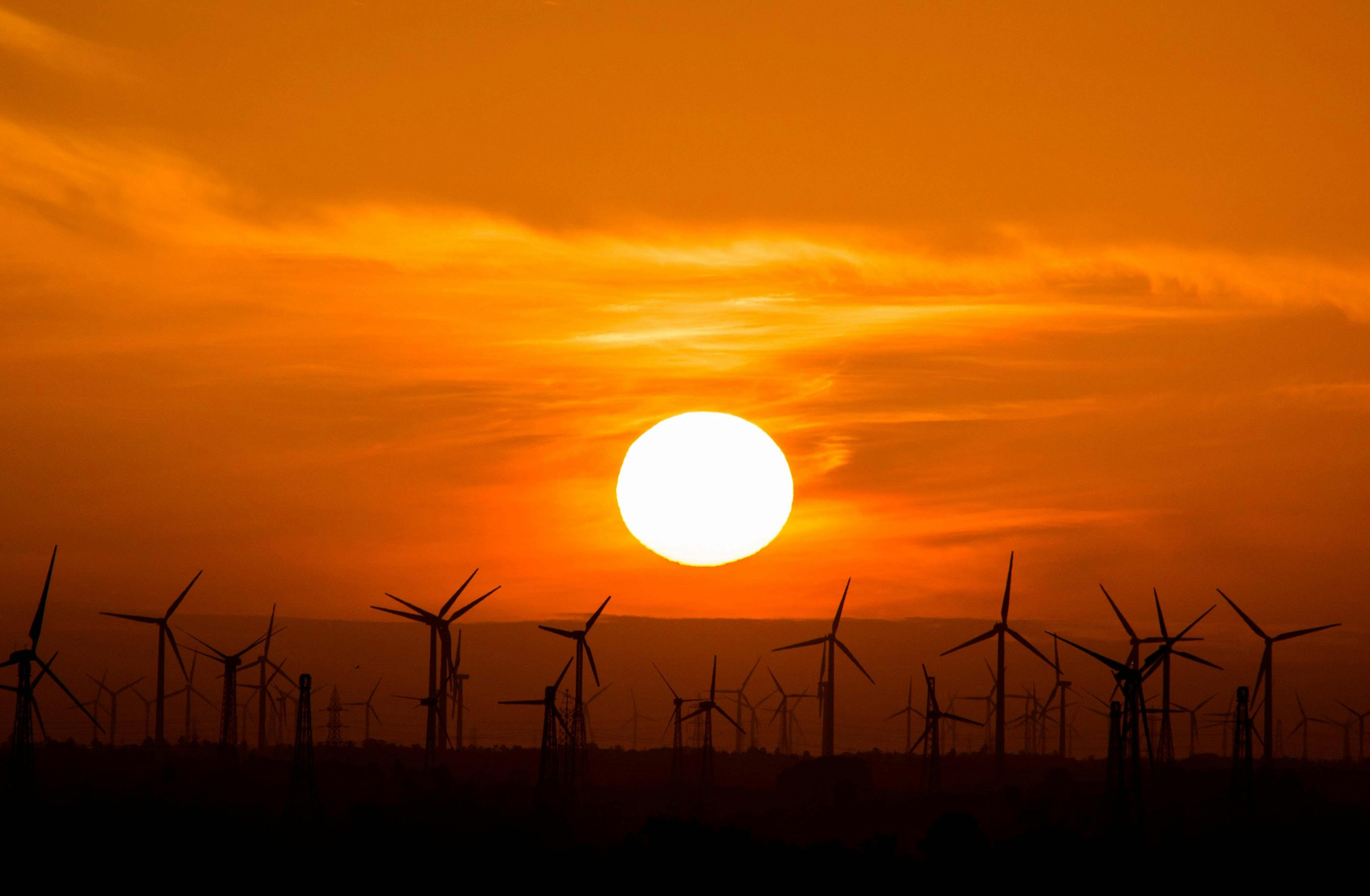
Energy commodities drive the global economy and Nigeria’s fiscal stability.
Oil Market
Oil prices depend on OPEC decisions, global demand, and geopolitical tensions.
Domestic Impact
Fuel prices influence inflation, logistics, and consumer purchasing power.
Challenges
Refining capacity, subsidy issues, and infrastructure gaps.
Transition
Renewable energy is becoming more important globally and locally.
Future
Energy diversification is key to long-term economic stability.
Digital Commodity Revolution
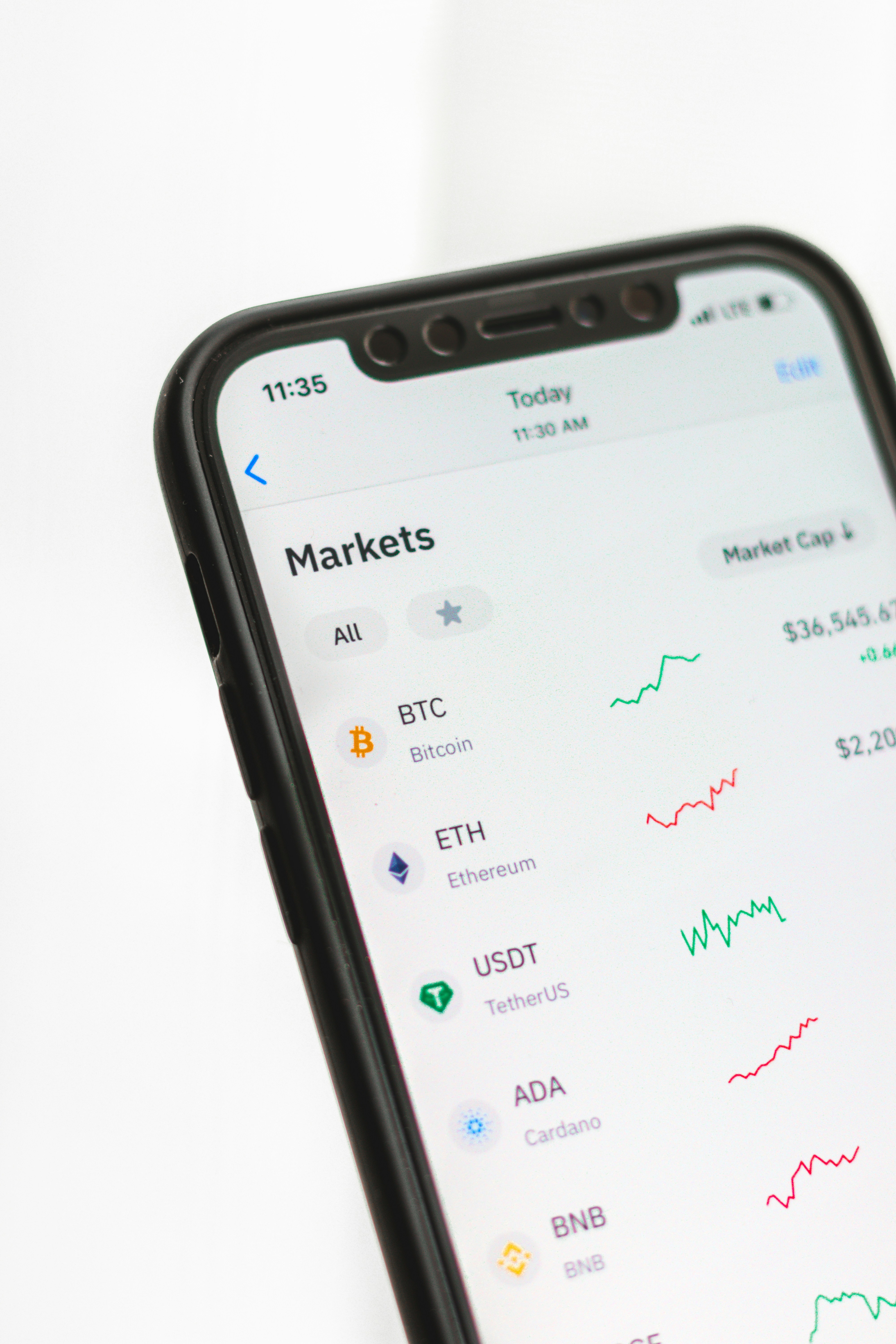
Cryptocurrency is transforming global finance with decentralized systems.
Adoption
Nigeria is among the top crypto-adopting countries globally.
Use Cases
Trading, remittances, payments, and inflation hedging.
Risks
Volatility, scams, and regulatory uncertainty.
Future
Digital assets will play a key role in the future financial system.
