
Abia State Agriculture & Commodity Market Intelligence
Crop farming, cassava processing, oil palm cultivation, livestock production, and fisheries development across Nigeria’s South-East agricultural economy.
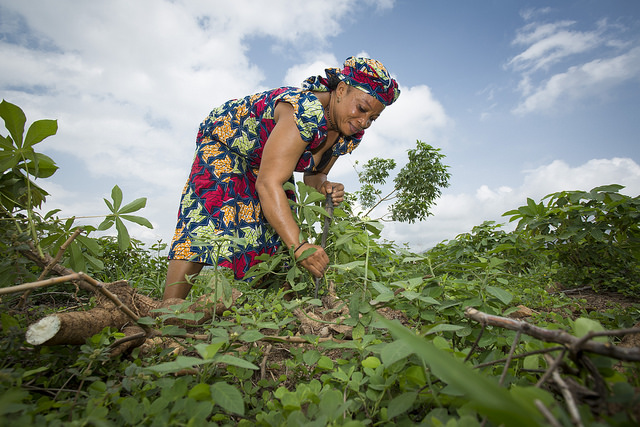
Overview of Agriculture in Abia State
Abia State, located in Nigeria’s South-East geopolitical zone, is widely recognized for its vibrant agricultural economy and commercial activities. The state capital, Umuahia, together with Aba — one of Nigeria’s most important trading cities — forms a strong economic hub that supports agricultural trade, agro-processing industries, and rural livelihoods.
Agriculture remains a vital source of employment and income for a large proportion of the state’s population. Smallholder farmers dominate the sector, cultivating a wide range of food crops and cash crops that supply both local and regional markets across southeastern Nigeria.
The state benefits from fertile tropical soils, adequate rainfall, and a favorable humid climate that allows year-round farming activities. Rivers such as the Imo River and Aba River further support irrigation, fisheries, and aquaculture activities in many communities.
Abia Agriculture Snapshot
Staple Crops
Cassava, Yam, Maize, Rice, Cocoyam, Plantain
Cash Crops
Oil Palm, Rubber, Cocoa
Fisheries & Aquaculture
Freshwater Fish Production
Livestock & Poultry
Goats, Poultry, Pigs
Major Crops Produced
Abia State produces a diverse range of staple food crops that play an important role in the food supply chain of southeastern Nigeria. Cassava is the most widely cultivated crop and serves as the foundation of many local food products such as garri, fufu, starch, and cassava flour.
Other important staple crops grown across the state include yam, maize, rice, cocoyam, and plantain. These crops are cultivated in both subsistence farms and commercial agricultural operations.
In addition to staple crops, Abia farmers cultivate several valuable cash crops. Oil palm plantations are particularly important, supplying raw materials for palm oil production, palm kernel processing, and other agro-industrial uses. Rubber and cocoa farming also provide export opportunities and additional income sources for farmers.
Livestock & Poultry Production
Livestock farming is an important complementary agricultural activity across Abia State. Many rural households raise animals such as goats, pigs, and poultry as part of mixed farming systems.
Poultry farming is particularly popular due to the high demand for eggs and poultry meat in urban markets such as Aba and Umuahia. Small-scale poultry farms supply local markets while larger commercial farms distribute products to neighboring states.
Pig farming has also gained popularity due to its relatively fast growth cycle and strong market demand. These livestock enterprises contribute significantly to rural income generation, household nutrition, and employment opportunities.
Fisheries & Aquaculture Development
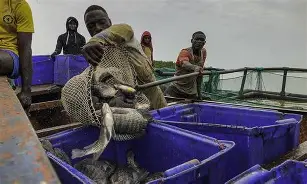
Abia State possesses several rivers, streams, and wetlands that support both artisanal fishing and aquaculture development. Fish farming has grown steadily over the years as farmers increasingly invest in fish ponds and modern aquaculture systems.
Popular fish species cultivated in the state include catfish and tilapia, which are widely consumed across Nigeria. Fish farming offers significant income potential for entrepreneurs and contributes to improving food security by providing affordable sources of animal protein.
Agricultural Markets & Trade Networks
Agricultural products produced in Abia State are distributed through an extensive network of local markets and regional trading centers. Major agricultural markets in Aba, Umuahia, Bende, and Ohafia serve as important hubs where farmers, traders, processors, and wholesalers exchange commodities.
These markets connect agricultural producers with buyers from neighboring states such as Rivers, Imo, Akwa Ibom, and Anambra. The presence of Aba as a commercial hub significantly strengthens the state’s agricultural trade and agro-processing industries.
Agricultural Development & Investment Opportunities
Abia State presents numerous opportunities for investors interested in agriculture, agro-processing, and commodity value chains. Investment in cassava processing facilities, rice mills, oil palm processing plants, fish farms, and livestock infrastructure can significantly increase the value of agricultural production within the state.
Government programs and private sector initiatives are increasingly encouraging mechanized farming, improved seed varieties, irrigation development, and agro-industrial processing. These efforts aim to boost agricultural productivity, create jobs, and strengthen food security.
Cassava & Rice Processing
Garri, Flour, Fufu Production
Oil Palm & Cocoa
Palm Oil & Agro-industrial Products
Fisheries
Freshwater Fish Supply
Livestock Infrastructure
Goats, Poultry, Pigs
Agricultural Seasons & Production Cycle
Abia State experiences a humid tropical climate characterized by distinct rainy and dry seasons. The rainy season typically begins around March and lasts until October, providing ideal conditions for crop cultivation and pasture growth.
During the dry season, farmers often engage in post-harvest processing, storage, livestock production, and fish farming activities. This climate pattern enables continuous agricultural activity throughout the year and supports multiple cropping cycles for certain crops.
Major Commodity Prices in Abia State
| Commodity | Average Price | Market Trend |
|---|---|---|
| Cassava | ₦25,000 / Bag | Stable |
| Yam | ₦30,000 / Bag | High Demand |
| Oil Palm | ₦55,000 / 25 Litres | Growing |
| Ice Fish | ₦60,000 / Carton | High Demand |
