
Fish Farming (Aquaculture) in Nigeria
Fish farming, also known as aquaculture, is one of Nigeria’s fastest-growing livestock subsectors and a critical solution to the country’s protein deficit.
Introduction
Nigeria is one of Africa’s largest consumers of fish, yet domestic production has historically fallen short of demand, leading to significant fish imports. Aquaculture has emerged as a strategic sector aimed at closing this supply gap and strengthening food security.
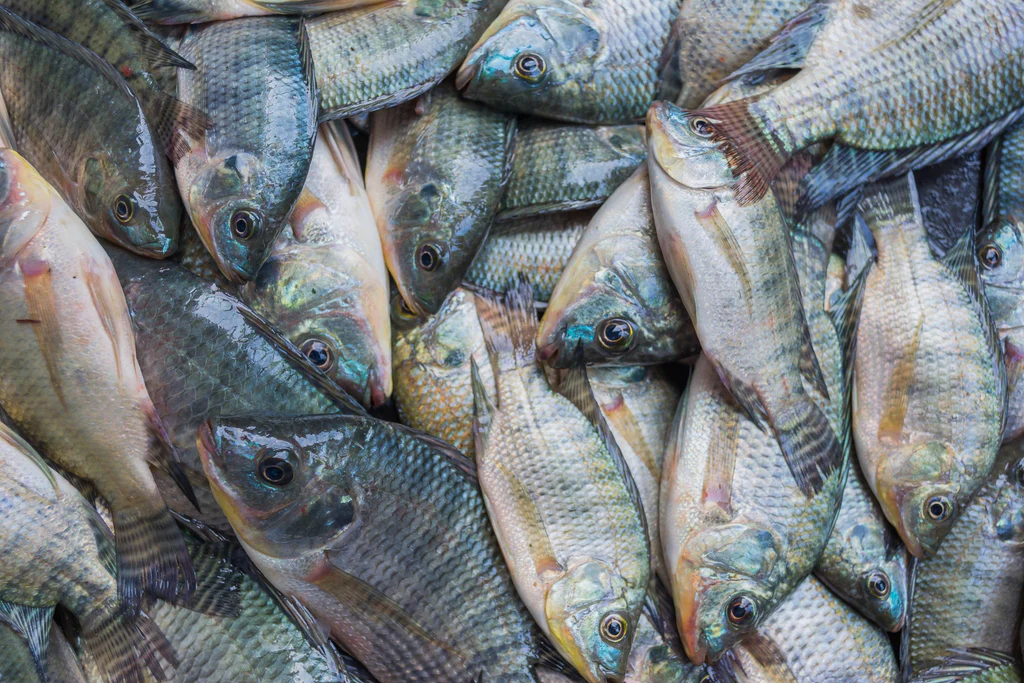
Catfish dominates Nigeria’s aquaculture industry, followed by tilapia production. Fish farming is practiced in earthen ponds, concrete tanks, and increasingly in recirculatory aquaculture systems (RAS). The sector provides employment for hatchery operators, feed producers, fish farmers, processors, and retailers.
Major Producing States
- Lagos
- Ogun
- Oyo
- Delta
- Rivers
- Anambra
- Kaduna
Market Demand and Consumption
Fish is widely consumed across all regions of Nigeria and is often more affordable than beef or mutton. Urban demand for fresh and smoked catfish continues to expand, especially in restaurants and fast-food outlets.
Despite rapid growth, Nigeria still imports large volumes of frozen fish annually, indicating strong unmet domestic demand and clear room for expansion.
Economic Importance
Aquaculture contributes significantly to agricultural GDP and offers relatively quick production cycles compared to other livestock sectors. With proper feed management and water quality control, fish farming can yield multiple harvest cycles annually.
Challenges
- High cost of fish feed
- Water quality management issues
- Limited cold-chain infrastructure
- Access to finance constraints
Investment Opportunities
Feed production, hatchery expansion, cold storage systems, fish processing plants, export-oriented aquaculture, and integrated fish farming systems represent major growth areas.
