
How to Start Palm Oil Production in Nigeria
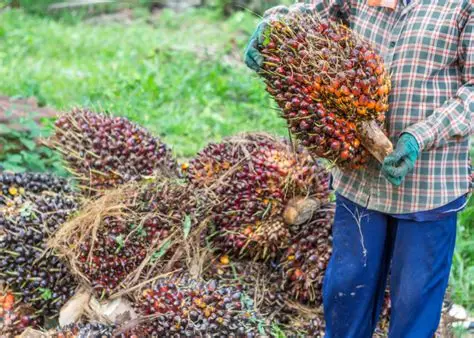
Palm oil production remains one of the most powerful agribusiness opportunities in Nigeria today. With rising food demand, expanding industrial use, and increasing global consumption, palm oil continues to dominate both local and international markets. Nigeria is one of the largest consumers of palm oil in the world, yet the country still imports significant quantities to meet domestic demand. This supply gap creates a massive opportunity for farmers, investors, and agripreneurs who are willing to enter the industry strategically.
Historically, Nigeria was once a global leader in palm oil production before the oil boom shifted attention away from agriculture. Today, there is a renewed focus on agriculture as a key driver of economic diversification. Palm oil sits at the center of this revival because of its versatility, profitability, and long-term sustainability. From food processing to cosmetics and biofuel production, palm oil is deeply integrated into everyday life and industrial systems.
Understanding the Palm Oil Value Chain
Before starting palm oil production, it is essential to understand the full value chain. This includes nursery establishment, plantation management, harvesting, processing, and marketing. Each stage presents unique opportunities for profit, and many successful agribusiness owners focus on multiple stages to maximize income.
For instance, some farmers specialize only in selling seedlings, while others focus on processing fresh fruit bunches into crude palm oil. Advanced investors go further into refining, packaging, and exporting finished products. Understanding where you want to position yourself in this value chain is critical to your long-term success.
Climate and Soil Requirements
Oil palm thrives in humid tropical climates with consistent rainfall and warm temperatures. Regions in southern Nigeria such as Edo, Delta, Cross River, and Akwa Ibom are particularly suitable for large-scale plantations. However, with irrigation and proper soil management, oil palm can also be cultivated in other regions.
The ideal soil type is deep, well-drained loamy soil rich in organic matter. Soil testing is highly recommended before planting, as it helps determine nutrient levels and guides fertilizer application. Poor soil management is one of the leading causes of low yield among farmers.
Step 1: Land Preparation and Nursery Establishment
The journey begins with land acquisition and preparation. Clearing, ploughing, and proper layout design are essential to ensure efficient plantation management. After preparing the land, the next step is establishing a nursery.
High-yield hybrid seedlings should always be sourced from certified research institutes such as NIFOR (Nigerian Institute for Oil Palm Research). These improved varieties produce significantly higher yields compared to traditional seedlings.
Nursery management involves regular watering, shading, and protection from pests. This stage lasts approximately 9 to 12 months before transplanting.
Step 2: Transplanting Oil Palm Seedlings
Transplanting is a critical stage that determines the future productivity of your plantation. Seedlings are planted at a spacing of 9 meters in a triangular pattern, allowing optimal sunlight penetration and airflow.
Proper planting techniques, including correct hole depth and fertilizer application, significantly influence early growth. Farmers must also ensure adequate watering during the early stages to prevent transplant shock.
Step 3: Plantation Management
Managing a palm plantation requires consistent effort and attention to detail. This includes weed control, fertilizer application, pruning, and pest management. Integrated pest management techniques are recommended to minimize chemical use while maintaining plant health.
Fertilizer application should be guided by soil test results. Both organic manure and inorganic fertilizers are used to maintain soil fertility and ensure steady growth.
Step 4: Harvesting Palm Fruits
Oil palm trees begin producing fruit after about three to four years. The fruits grow in bunches known as fresh fruit bunches (FFB). Harvesting is done using specialized tools to cut the bunches without damaging the tree.
Timely harvesting is essential because overripe fruits lose oil quality, while underripe fruits produce less oil. Skilled labor is often required for efficient harvesting operations.
Step 5: Palm Oil Processing
Processing transforms harvested fruits into crude palm oil. The process involves sterilization, threshing, digestion, pressing, clarification, and drying. Modern processing equipment significantly improves oil extraction efficiency compared to traditional methods.
Investing in mechanized processing can increase oil yield by up to 40%, making it a worthwhile investment for serious agripreneurs.
Marketing and Profit Opportunities
Palm oil has a ready market across Nigeria. Buyers include households, food manufacturers, soap makers, and export companies. Prices fluctuate depending on season and demand, but palm oil remains consistently profitable.
Value addition such as packaging, branding, and refining can significantly increase profit margins. Entrepreneurs who go beyond raw sales often earn substantially higher returns.
How Much Can You Make?
Profitability depends on scale, management quality, and market access. A well-managed plantation can produce several tons of palm oil annually, generating millions of naira in revenue. While initial investment may be high, the long-term returns are substantial because oil palm trees remain productive for over 20 years.
Final Thoughts
Palm oil production is not a get-rich-quick venture, but it is one of the most stable and rewarding agribusinesses in Nigeria. With proper planning, patience, and execution, it can provide consistent income for decades.
