
How to Start Soybean Farming in Nigeria.
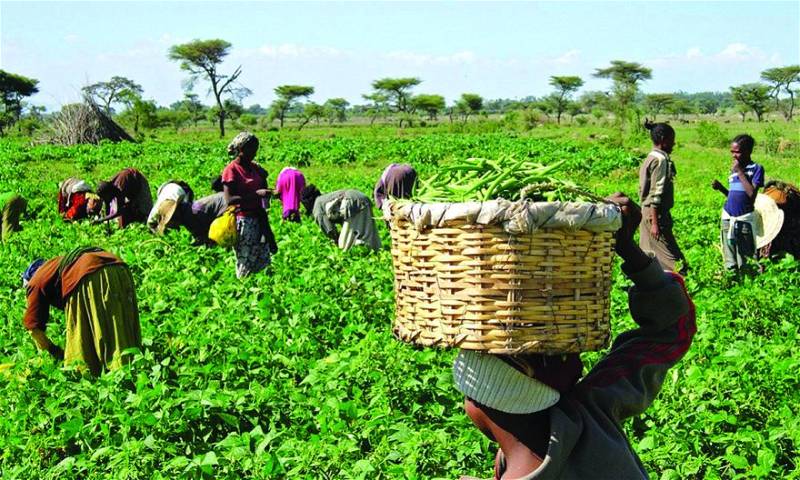
Soybean farming in Nigeria has evolved from a traditional smallholder crop into a highly strategic agribusiness asset driven by rising demand in livestock feed production, edible oil processing, and global protein markets. Unlike many crops that rely only on food consumption, soybean sits at the intersection of agriculture, nutrition, and industrial manufacturing.
This makes soybean not just a farm product but a **multi-industry raw material** powering poultry farms, fish feed production, soybean oil companies, and food processing industries. Its high protein content (up to 40%) positions it as one of the most valuable crops in modern agribusiness systems.
1. The Soybean Opportunity in Nigeria
Nigeria’s soybean demand is structurally driven by the rapid expansion of livestock production, especially poultry, which consumes the largest share of soybean meal in feed formulation. As protein demand increases nationally, soybean remains one of the most stable and scalable cash crops.
- Strong linkage to poultry and feed industry
- Stable year-round industrial demand
- Import substitution opportunity
- High scalability for investors
The soybean value chain includes seed production, cultivation, aggregation, crushing, oil extraction, and meal production. Farmers who integrate into aggregation or processing capture significantly higher margins than those who only produce raw beans.
- Multiple profit layers in value chain
- Processing increases income per ton
- Aggregation improves bargaining power
- Storage enables price optimization
2. Climate, Soil & Production Reality
Soybeans require moderate tropical conditions with well-distributed rainfall. However, yield performance is determined more by soil fertility and management practices than climate alone.
- Rainfall requirement: 500–900mm
- Temperature range: 20–30°C
- Excess moisture reduces yield
- Drought reduces pod formation
Soils must be well-drained, slightly acidic to neutral, and rich in organic matter. Unlike maize, soybean has nitrogen-fixing ability but still depends heavily on phosphorus for root development.
- Loamy soils are ideal
- pH range: 5.8–7.0
- Phosphorus drives productivity
- Soil testing improves efficiency
3. Land Preparation System
Land preparation determines early crop establishment success. Poor soil structure reduces germination rates and leads to uneven crop emergence, which directly reduces final yield.
- Direct impact on germination rate
- Improves root development
- Reduces early weed pressure
- Ensures uniform plant growth
Mechanized preparation is preferred for commercial farms due to efficiency, consistency, and scalability advantages.
- Mechanization reduces labor cost
- Improves planting accuracy
- Supports large-scale farming
- Enhances productivity consistency
4. Seed Selection & Genetic Advantage
Improved soybean varieties significantly increase yield and disease resistance. Certified seeds ensure uniform germination and reduce variability in crop performance.
- Certified seeds improve yield stability
- Hybrid varieties increase productivity
- Better disease resistance
- Improved maturity cycles
Popular varieties such as TGX 1448-2E are widely used due to their adaptability across Nigerian agro-ecological zones.
- Variety must match location
- Genetics determine yield ceiling
- Seed quality affects profitability
- Recycled seeds reduce output
5. Planting & Crop Establishment
Proper planting timing ensures maximum germination success. Soybean should be planted at the onset of rainfall for optimal moisture availability.
- Timing affects germination success
- Spacing improves yield efficiency
- Uniform planting reduces disease
- Early establishment improves output
6. Fertilizer & Nutrient Strategy
Although soybean fixes nitrogen naturally, phosphorus remains critical for root development and yield formation. Balanced nutrient management is essential for commercial success.
- Phosphorus drives root development
- Inoculation improves nitrogen fixation
- Balanced nutrition increases yield
- Soil fertility determines output
7. Weed Management System (Critical Yield Protection Stage)
Weed control is one of the most important determinants of soybean yield in Nigeria. Soybeans are particularly vulnerable during the early growth stage because weeds compete aggressively for nutrients, sunlight, and moisture. If not properly managed within the first 3–6 weeks, yield losses can be severe and irreversible.
- Early weed control determines final yield outcome
- Weeds compete for nutrients and water
- First 6 weeks are most critical period
- Poor weed control can reduce yield by up to 50%
Farmers typically adopt three systems: manual weeding, chemical herbicides, and integrated weed management. Commercial farms combine pre-emergence herbicides with selective manual control to ensure optimal field cleanliness.
- Manual weeding is labor intensive but effective
- Herbicides are efficient for large-scale farms
- Integrated systems give best long-term results
- Clean fields improve fertilizer efficiency
8. Pest and Disease Management (Risk Control Layer)
Soybean crops in Nigeria face pest pressures such as aphids, pod borers, and armyworms. These pests can significantly reduce both yield and grain quality if not controlled early. Disease outbreaks such as rust, bacterial blight, and mosaic virus also pose major risks.
- Aphids weaken plant structure and reduce yield
- Pod borers directly destroy harvest output
- Diseases reduce grain quality and market value
- Early detection is essential for control
Integrated Pest Management (IPM) is the most effective approach, combining resistant seed varieties, field monitoring, biological controls, and targeted chemical application.
- Resistant varieties reduce vulnerability
- Field monitoring ensures early detection
- Chemical control must be timely and precise
- IPM reduces long-term production risk
9. Irrigation and Climate Risk Management
Although soybean is relatively drought-tolerant compared to other crops, water stress during flowering and pod filling stages can significantly reduce yield. Supplemental irrigation improves consistency and reduces climate-related risks.
- Flowering stage is most sensitive to water stress
- Drought reduces pod formation
- Irrigation stabilizes yield output
- Rain-fed farming carries climate risk
Modern climate-smart agriculture also includes mulching, moisture retention practices, and staggered planting systems to reduce exposure to rainfall variability.
- Mulching reduces soil moisture loss
- Staggered planting reduces risk exposure
- Climate variability affects yield stability
- Water management improves resilience
10. Growth Cycle and Development Stages
Soybean development occurs in structured biological stages: germination, vegetative growth, flowering, pod formation, and maturity. Each stage requires specific management decisions in terms of nutrients, water, and field maintenance.
- Each stage has unique nutrient demand
- Vegetative stage builds plant structure
- Flowering determines yield potential
- Pod filling determines final harvest weight
Understanding these stages allows farmers to optimize input timing, reduce waste, and maximize yield efficiency. Poor timing of fertilizer or water application can significantly reduce productivity.
- Stage-based management increases efficiency
- Timing affects nutrient absorption
- Stress during flowering reduces yield
- Proper timing improves profitability
11. Harvesting and Post-Harvest Handling
Harvesting must be done when soybean pods turn brown and moisture content is low. Delayed harvesting increases losses due to pod shattering, while early harvesting reduces grain quality.
- Harvest timing affects grain quality
- Delayed harvest increases field losses
- Early harvest reduces maturity quality
- Proper timing minimizes wastage
After harvesting, soybeans must be properly dried to 12–14% moisture content. Improper drying leads to mold development, fungal contamination, and reduced market value.
- Drying prevents mold formation
- Moisture control preserves quality
- Poor handling reduces market price
- Post-harvest loss is a major risk factor
12. Storage, Processing & Value Chain Integration
Storage is a major profit multiplier in soybean farming. Farmers who store their produce instead of selling immediately after harvest often benefit from seasonal price increases of 20–60%.
- Storage enables price arbitrage
- Off-season prices are higher
- Proper storage reduces spoilage
- Timing increases profitability
Modern storage systems include hermetic bags, silos, and controlled warehouses. These systems reduce pest infestation, moisture absorption, and quality degradation.
- Hermetic storage improves preservation
- Silos support large-scale operations
- Traditional storage has higher losses
- Storage = profit optimization tool
Beyond storage, soybean processing into oil, flour, soy milk, and animal feed creates additional revenue streams. Investors who integrate processing capture significantly higher margins than raw producers.
- Processing increases revenue per ton
- Value addition multiplies profit potential
- Industrial buyers pay premium prices
- Vertical integration improves stability
Weed control, pest management, irrigation, harvesting, processing, and marketing must operate as one integrated system. Weakness in any stage reduces overall profitability regardless of yield.
- Farming is a connected system
- Post-harvest losses reduce income
- Timing affects profit more than yield
- Storage enables market control
For example, farmers who harvest correctly but fail to dry and store properly lose significant value due to spoilage or forced sales during low-price periods.
- Post-harvest handling is critical
- Storage increases profitability
- Market timing is a profit lever
- Efficiency determines returns
Final Investor Insight
Soybean farming is not simply crop production—it is an integrated agribusiness system connected to livestock, food processing, and industrial supply chains. Investors who understand this system achieve significantly higher and more stable returns.
- Think in systems, not farming cycles
- Profit comes from structure + timing
- Value chain participation is key
- Scaling requires discipline
Need Expert Agricultural Guidance?
Ask a Farmer
