
How to Start Maize Farming in Nigeria.
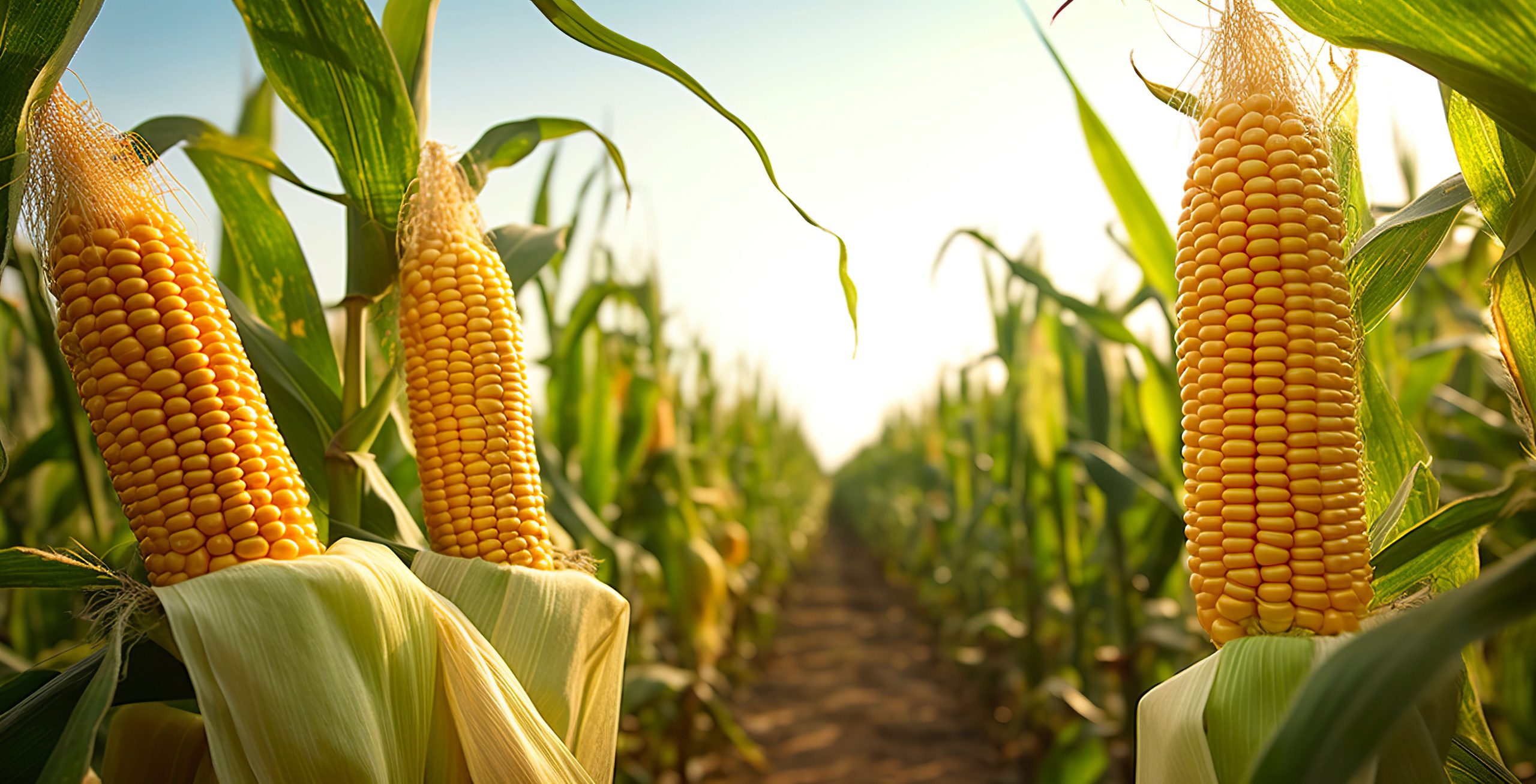
Maize farming in Nigeria is one of the most strategically important agricultural investments due to its deep integration into food systems, livestock production, and industrial manufacturing. It is not just a staple crop—it is a multi-sector commodity that supports poultry feed production, brewery operations, starch industries, and human consumption markets. This makes maize one of the most liquid and consistently demanded agricultural commodities in West Africa.
- High demand across food and industrial sectors
- Core ingredient in livestock feed production
- Short production cycle (90–120 days)
- Multiple harvest opportunities per year
Despite its importance, Nigeria continues to face a structural supply gap driven by population growth, urbanization, and expanding animal protein industries. This imbalance between demand and supply creates a consistent opportunity for both smallholder farmers and large-scale agribusiness investors who understand production efficiency and market timing.
- Demand consistently exceeds local production
- Price volatility creates trading opportunities
- Strong scalability potential
- Storage increases profitability significantly
1. Understanding the Maize Farming Opportunity
Maize is one of the most commercially versatile crops in Nigeria because it connects directly to multiple high-value industries. Unlike crops that rely solely on human consumption, maize is embedded in industrial supply chains that ensure year-round demand stability.
- Dual demand: food + industrial use
- Strong link to poultry and livestock feed sector
- Stable consumption across seasons
- High liquidity in grain markets
The maize value chain extends from seed production to cultivation, aggregation, storage, milling, and industrial processing. Farmers who understand this chain can significantly increase profitability by participating beyond just production—especially in aggregation and storage where price differentials are highest.
- Multiple income points along value chain
- Aggregation increases bargaining power
- Storage creates seasonal price advantage
- Processing multiplies value per ton
2. Climate and Soil Requirements
Maize thrives in tropical climates with moderate rainfall and warm temperatures. However, optimal production depends more on soil fertility and structure than climate alone. Ideal rainfall ranges between 500mm and 1100mm per season.
- Rain-fed farming dominates production
- Climate determines planting season
- Excess rain reduces yield quality
- Drought significantly affects output
The best soils for maize farming are well-drained sandy loam soils rich in organic matter. Soil fertility directly influences yield potential, especially nitrogen availability, which is essential for vegetative growth and grain formation.
- Sandy loam is most suitable soil type
- Soil fertility determines yield ceiling
- Nitrogen is the most critical nutrient
- Soil testing improves productivity accuracy
3. Land Preparation (Yield Foundation Stage)
Land preparation is one of the most important determinants of maize yield because it sets the foundation for germination, root development, and weed suppression. Poor land preparation leads to uneven crop emergence and reduced yield potential.
- Affects germination success rate
- Controls early weed competition
- Improves soil aeration
- Determines planting uniformity
Mechanized ploughing and harrowing are recommended for commercial farming operations because they ensure uniform soil structure and reduce labor inefficiencies. Proper land leveling also improves water distribution and fertilizer absorption.
- Mechanization improves efficiency
- Uniform soil structure increases yield
- Reduces labor dependency
- Enhances large-scale scalability
4. Improved Seed Selection
Seed selection is one of the most important investment decisions in maize farming. Hybrid seeds outperform local varieties in yield, disease resistance, and maturity rate, making them essential for commercial production.
- Hybrid seeds increase productivity
- Better disease resistance
- Shorter maturity cycles
- Higher grain quality
Popular varieties such as SAMMAZ and Oba Super are widely used due to their adaptability and high yield potential across different ecological zones in Nigeria.
- Varieties must match agro-zone
- Drought-resistant seeds reduce risk
- Certified seeds ensure uniformity
- Research-backed hybrids perform best
5. Planting System and Density Optimization
Planting density directly affects maize yield. Overcrowding leads to competition for nutrients, while low density reduces land productivity. Proper spacing ensures optimal resource utilization.
- Spacing affects yield per hectare
- Proper density improves efficiency
- Timing affects germination success
- Uniform planting increases output
| Factor | Recommendation |
|---|---|
| Spacing | 75cm × 25cm |
| Population | 53,000–66,000 plants/ha |
| Depth | 3–4 cm |
6. Fertilizer Strategy (Profit Determinant)
Fertilizer management is the most important driver of maize productivity after seed selection. Nitrogen plays a critical role in vegetative growth and directly influences final yield output.
- Nitrogen drives leaf development
- Phosphorus supports root growth
- Potassium improves grain quality
- Timing improves absorption efficiency
7. Weed Control Strategies (Yield Protection Stage)
Weed control is one of the most underestimated factors in maize farming, yet it can determine up to 50% of final yield outcomes. Weeds compete directly with maize plants for nutrients, sunlight, and water during the most sensitive early growth stages.
- Weeds reduce nutrient availability to maize plants
- Early-stage control is most critical
- Delays in weeding reduce yield significantly
- Herbicide timing affects effectiveness
Farmers typically adopt three approaches: manual weeding, chemical herbicides, and integrated weed management. The most effective commercial farms combine herbicide application with selective manual control to ensure field cleanliness during early growth stages.
- Manual weeding is labor-intensive but effective
- Herbicides save time on large farms
- Integrated systems improve efficiency
- Clean fields improve fertilizer performance
8. Pest and Disease Management (Risk Control Stage)
Pest and disease pressure is one of the most significant threats to maize production in Nigeria. The most damaging pest in recent years is the Fall Armyworm, which can destroy entire fields within days if not properly controlled.
- Fall Armyworm is the most destructive pest
- Stem borers reduce plant strength
- Diseases affect grain quality and yield
- Early detection reduces losses
Integrated Pest Management (IPM) is the most effective approach. It combines resistant varieties, regular field monitoring, biological control, and approved chemical treatments to reduce crop damage.
- Resistant varieties reduce vulnerability
- Monitoring helps early detection
- Chemical control must be timely
- IPM reduces long-term risk exposure
9. Irrigation and Water Management
Although maize is primarily rain-fed in Nigeria, supplemental irrigation significantly improves yield stability, especially during flowering and grain filling stages where water stress can reduce yield by up to 30%.
- Water stress reduces grain formation
- Flowering stage is most sensitive
- Irrigation stabilizes production
- Rain-fed farming carries climate risk
Efficient water management ensures that crops receive consistent moisture without waterlogging, which can damage root systems and reduce nutrient uptake efficiency.
- Balance between water and drainage is critical
- Overwatering reduces oxygen supply to roots
- Supplemental irrigation improves consistency
- Climate adaptation improves resilience
10. Growth Cycle and Development Stages
Maize development occurs in clearly defined stages: germination, vegetative growth, flowering, and grain filling. Each stage requires specific nutrient and water management strategies to maximize yield potential.
- Growth stages require different inputs
- Vegetative stage builds plant structure
- Flowering determines yield potential
- Grain filling determines final weight
Understanding these stages allows farmers to optimize fertilizer application and irrigation scheduling, which directly improves production efficiency.
- Stage-based management improves yield
- Timing fertilizer improves absorption
- Stress during flowering reduces output
- Proper timing increases profitability
11. Harvesting and Post-Harvest Handling
Harvesting is a critical stage where many farmers lose potential income due to poor timing or improper handling. Maize must be harvested at the correct moisture level to avoid spoilage and post-harvest losses.
- Harvest timing affects grain quality
- Early harvest reduces maturity
- Late harvest increases field losses
- Moisture control is essential
After harvesting, maize must be properly dried to reduce moisture content to 12–14% before storage. Failure to do this leads to mold growth and aflatoxin contamination, which reduces market value significantly.
- Drying prevents mold formation
- Aflatoxin reduces market price
- Proper handling improves storage life
- Post-harvest losses are avoidable
12. Storage Systems and Preservation
Storage is one of the most powerful profit optimization tools in maize farming. Farmers who store maize instead of selling immediately after harvest often achieve significantly higher profit margins.
- Storage enables price arbitrage
- Off-season prices are higher
- Proper storage reduces spoilage
- Hermetic systems improve preservation
Modern storage solutions such as hermetic bags and silos protect maize from pests and moisture damage. Traditional storage systems are less effective and often result in higher post-harvest losses.
- Hermetic bags improve grain protection
- Silos allow large-scale storage
- Traditional methods have higher losses
- Storage = profit multiplier
13. Cost and Profit Analysis (1 Hectare Model)
Maize farming profitability depends heavily on yield per hectare, input efficiency, and market timing. A well-managed farm can significantly outperform average national yields through improved inputs and timing.
- Yield determines revenue ceiling
- Input efficiency reduces cost
- Market timing increases profit
- Scale improves margins
| Item | Estimated Cost (₦) |
|---|---|
| Land Preparation | 150,000 |
| Seeds | 80,000 |
| Fertilizer | 200,000 |
| Labor | 120,000 |
| Total | 550,000 |
14. Marketing and Value Chain Opportunities
Maize marketing extends beyond farm gate sales. Farmers can sell to feed mills, grain aggregators, breweries, and food processing companies. Each market segment offers different pricing structures and demand stability.
- Feed mills offer stable demand
- Aggregators buy in bulk
- Breweries pay premium prices
- Direct sales increase margin
Value addition through milling and processing significantly increases profitability, transforming maize from a raw commodity into a higher-value product.
- Processing increases revenue per ton
- Value-added products earn more
- Industrial buyers pay premium rates
- Market diversification reduces risk
15. Scaling Strategy (From Smallholder to Commercial Farm)
Scaling maize farming requires transitioning from manual production to mechanized and system-driven operations. Expansion should be gradual and based on operational efficiency rather than emotional decision-making.
- Scaling must be systematic
- Mechanization improves productivity
- Reinvestment accelerates growth
- Systems reduce operational risk
Successful commercial farms integrate irrigation, mechanization, storage, and structured marketing systems to achieve consistent output and predictable income streams.
- Integrated systems improve stability
- Mechanization reduces labor cost
- Storage enables market control
- Structure ensures scalability
Weed control, pest management, irrigation, harvesting, storage, marketing, and scaling must function as a unified system. Weak performance in any stage reduces total profitability regardless of yield.
- Farming is a connected system
- Post-harvest losses reduce profit
- Market timing affects income more than yield
- Storage creates price advantage
For example, farmers who harvest at the right time but fail to dry and store properly often lose 20–30% of potential income due to spoilage or forced early sales. Conversely, farmers with storage capacity often earn significantly more without increasing production.
- Post-harvest handling is critical
- Storage reduces market pressure
- Timing determines profit margin
- Efficiency matters more than size
Final Investor Insight
Maize farming should be viewed as an integrated agribusiness system rather than a seasonal farming activity. Investors who combine production efficiency with storage, timing, and value chain participation consistently outperform traditional farmers.
- Think in systems, not seasons
- Profit comes from structure, not effort
- Storage = hidden profit multiplier
- Scaling requires discipline
