
How to Start Tomato Farming in Nigeria
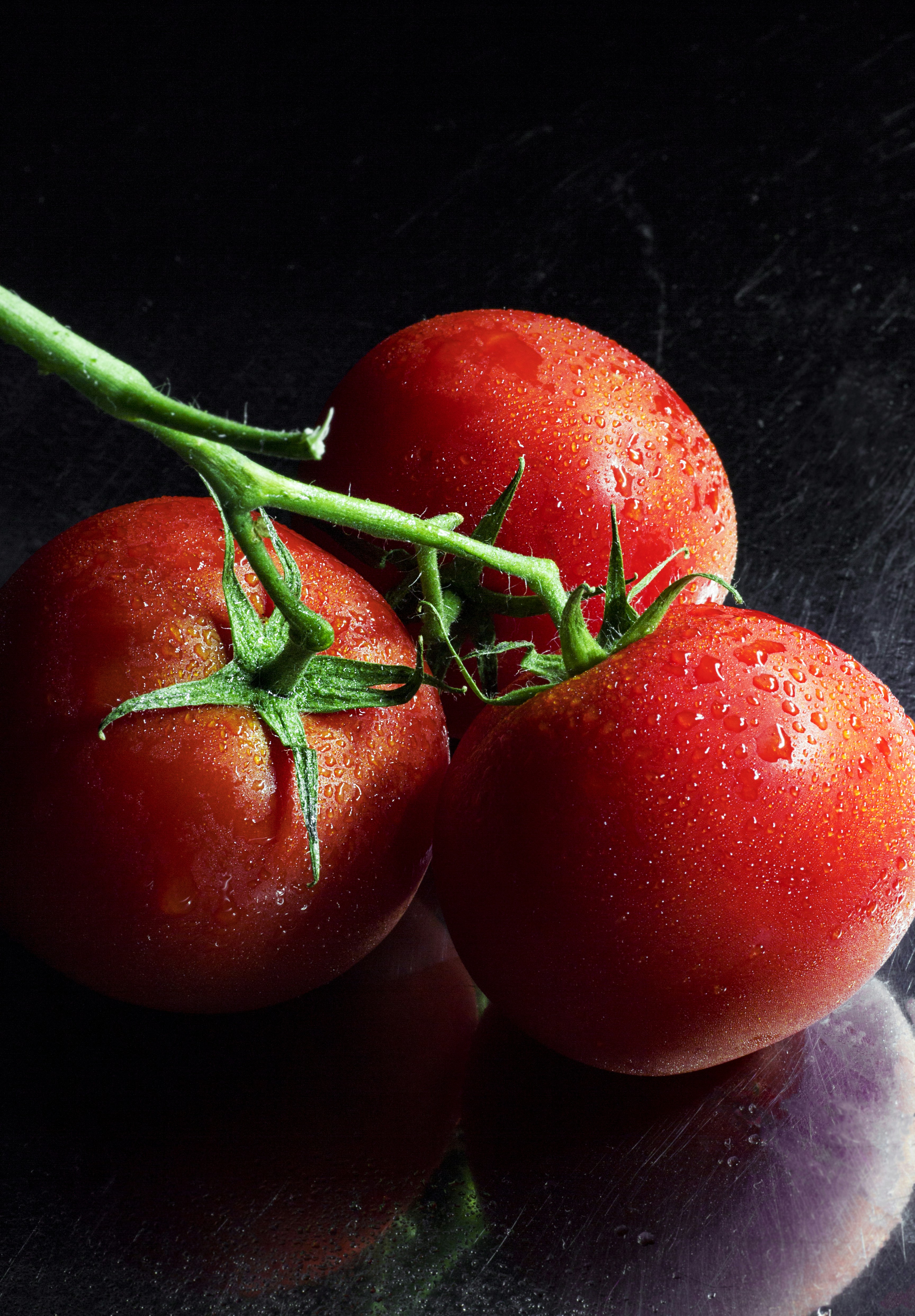
Tomato farming in Nigeria is one of the most economically significant horticultural enterprises due to its daily consumption demand, industrial processing value, and role in national food security. Tomatoes are a foundational ingredient in virtually every Nigerian household meal, making them a crop with consistent year-round demand. This demand stability makes tomato farming one of the most attractive short-cycle agribusiness ventures in the country.
However, tomato production is also one of the most technically sensitive farming systems because the crop is highly vulnerable to pests, diseases, temperature fluctuations, and post-harvest losses. For this reason, successful tomato farming requires more than just planting seeds — it requires an integrated understanding of agronomy, irrigation science, pest management, and market timing strategies.
1. Understanding Tomato Farming in Nigeria
Tomato farming is practiced across both smallholder and commercial scales in Nigeria, with production concentrated in northern states such as Kano, Katsina, Kaduna, and Plateau due to favorable climate conditions. These regions provide the dry-season production advantage that helps stabilize supply during periods when southern production declines.
The crop can be cultivated using open-field systems, irrigated dry-season farming, or greenhouse production systems. Each system has its own cost structure, risk level, and productivity potential. Open-field farming is the most common due to lower capital requirements, but it is also the most exposed to environmental risks such as excessive rainfall and pest infestation.
Greenhouse tomato farming is increasingly becoming popular due to its ability to control environmental conditions. It allows farmers to regulate temperature, humidity, irrigation, and pest exposure, resulting in higher yields and better-quality fruits. However, it requires higher initial investment and technical knowledge.
2. Climate and Soil Requirements
Tomatoes thrive in warm climates with temperatures ranging between 21°C and 30°C. Temperatures above this range can lead to flower drop, poor fruit formation, and reduced yields. Similarly, very low temperatures can slow plant growth and delay maturity.
The crop requires well-distributed sunlight for at least 6–8 hours daily. Insufficient sunlight reduces photosynthesis efficiency, resulting in weak plants and poor fruit quality. Excess humidity, however, increases fungal disease pressure, particularly blight infections that can destroy entire farms.
Soil quality is equally important. Tomatoes grow best in sandy loam soils rich in organic matter because these soils provide a balance of drainage and moisture retention. The ideal pH range is between 6.0 and 7.0. Soils outside this range may require liming or acidification to optimize nutrient availability.
3. Seed Selection and Nursery Management
Seed selection determines up to 40% of total tomato yield potential. Farmers must select certified hybrid seeds or improved open-pollinated varieties sourced from reputable agricultural suppliers or research institutes.
Popular varieties in Nigeria include Roma VF, UC82B, Tylka, and other heat-tolerant hybrids designed for tropical conditions. These varieties are preferred due to their disease resistance, uniform fruit size, and market acceptability.
Seeds are first planted in a nursery system where they remain for 4–6 weeks before transplanting. During this stage, seedlings require consistent watering, partial shade, and protection from pests such as cutworms and aphids. Proper nursery management ensures strong root development and healthy transplant survival rates.
4. Land Preparation and Soil Conditioning
Land preparation begins with clearing vegetation, removing weeds, and eliminating debris that may interfere with crop establishment. Proper land preparation improves soil aeration and reduces pest habitats.
Ploughing and harrowing are essential steps that break soil compaction and create a fine seedbed suitable for transplanting. This process also improves water infiltration and root penetration.
Farmers are encouraged to incorporate organic manure such as poultry droppings or compost during soil preparation. This improves soil fertility, microbial activity, and long-term productivity of the farm.
5. Transplanting and Field Establishment
Transplanting should be done when seedlings are 4–6 weeks old and strong enough to survive field conditions. The process should ideally be done in the early morning or late evening to reduce transplant shock.
Spacing is critical for proper plant development. Recommended spacing ranges between 60–90 cm between rows and 45–60 cm between plants. This ensures adequate airflow and reduces disease pressure within the crop canopy.
Proper field establishment also includes immediate watering after transplanting to help seedlings adjust to the new environment and reduce transplant mortality rates.
6. Fertilizer and Nutrient Management
Tomatoes are nutrient-demanding crops requiring balanced application of nitrogen, phosphorus, and potassium throughout their growth cycle. Nutrient deficiency directly impacts yield, fruit size, and plant health.
NPK fertilizers are typically applied after transplanting to support vegetative growth. Later, nitrogen-based fertilizers such as urea are applied to support flowering and fruit development stages.
Organic fertilizers improve soil structure and long-term fertility. Combining organic and inorganic fertilizers often produces the best results in commercial tomato farming systems.
7. Irrigation and Water Management
Tomatoes require consistent soil moisture but do not tolerate waterlogging. Irregular watering can cause physiological disorders such as fruit cracking and blossom end rot.
Drip irrigation is the most efficient system because it delivers water directly to the root zone, minimizes evaporation, and reduces fungal disease spread caused by wet foliage.
During dry seasons, irrigation should be done early in the morning or late in the evening to improve water absorption efficiency and reduce heat stress.
8. Pest and Disease Management
Tomatoes are highly susceptible to pests such as whiteflies, aphids, thrips, and fruit borers. These pests damage leaves, stems, and fruits, significantly reducing yield and market value.
Major diseases include early blight, late blight, fusarium wilt, and bacterial wilt. These diseases spread rapidly under humid conditions and can destroy entire fields if not controlled early.
Integrated Pest Management (IPM) strategies combining resistant varieties, crop rotation, field sanitation, and approved chemical control are essential for sustainable production.
9. Staking and Pruning
Staking is used to support tomato plants and prevent fruits from touching the ground, which reduces rot and pest attacks. It also improves air circulation within the plant canopy.
Pruning removes excess vegetative growth and redirects plant energy toward fruit production. This improves fruit size, quality, and uniformity.
Both practices significantly increase yield efficiency and are essential in commercial tomato farming systems.
10. Harvesting
Tomatoes are ready for harvest between 8–12 weeks after transplanting depending on variety and environmental conditions. Harvesting should be done carefully to avoid bruising.
Fruits should be harvested at the breaker stage or full ripeness depending on market requirements. Early harvesting allows longer shelf life, while full ripeness improves taste.
Proper handling during harvesting ensures minimal post-harvest losses and higher market value.
11. Post-Harvest Handling
Post-harvest handling is one of the most critical stages in tomato production due to its highly perishable nature. Poor handling can lead to losses exceeding 30–50% in some cases.
Sorting and grading ensure uniform quality and improve market pricing. Damaged or diseased fruits should be removed immediately.
Storage in cool, ventilated environments helps extend shelf life. Processing into puree, paste, or dried products adds value and reduces waste.
12. Marketing and Profitability
Tomato marketing depends heavily on timing, quality, and supply-demand dynamics. Prices fluctuate significantly based on seasonality and regional supply levels.
Farmers can sell directly to wholesalers, retailers, food vendors, and processing companies. Off-season production often yields significantly higher profits due to reduced supply.
Value addition through processing increases profitability and reduces dependency on fresh market sales.
Conclusion
Tomato farming in Nigeria is a highly profitable agribusiness when managed correctly. Success depends on proper planning, improved seed selection, irrigation control, pest management, and efficient post-harvest handling.
With rising demand and expanding food processing industries, tomato farming remains one of the most promising agricultural investments in Nigeria.
