Agricultural Mechanisation Key to Food Security, Economic Growth – Agcoms
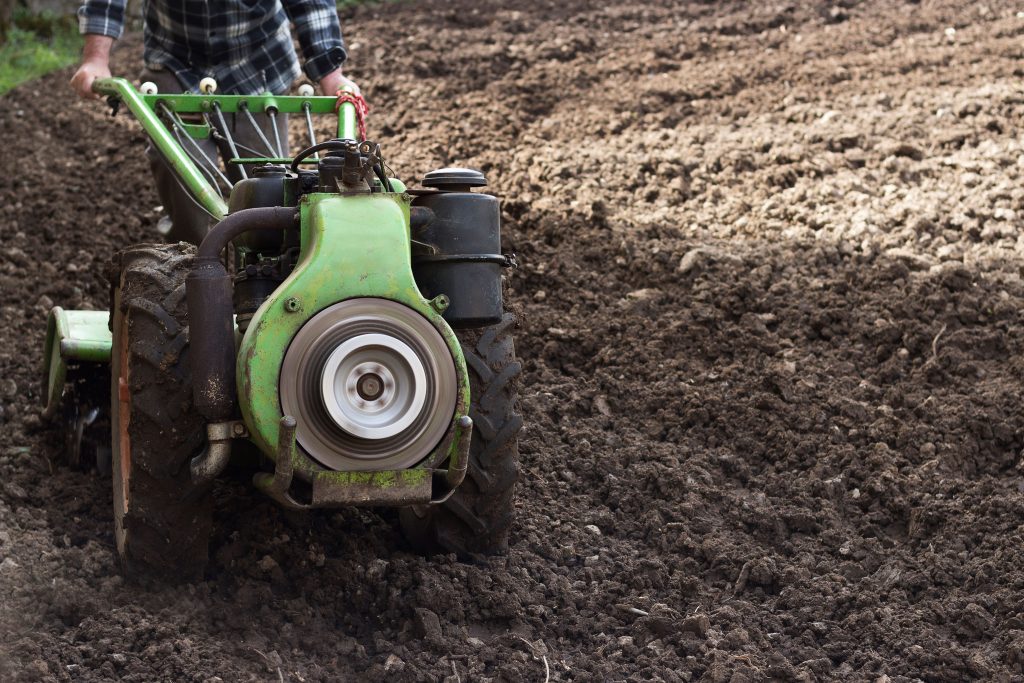
Agricultural equipment provider, Agcoms International Trading Limited, has reaffirmed the importance of agricultural mechanisation in achieving Nigeria’s food security objectives, describing modern farm equipment as a critical tool for increasing productivity, improving rural livelihoods and driving economic growth.
The company’s Chief Executive Officer, Okoli Chijioke, made the remarks while expressing support for the Federal Government’s ongoing efforts to modernise agriculture under President Bola Tinubu’s food security agenda.
According to Chijioke, expanding access to mechanised farming equipment remains one of the fastest and most effective ways to transform Nigeria’s agricultural sector, improve efficiency across the value chain and attract younger generations into farming.
He noted that the government’s commitment to agricultural mechanisation has gained significant traction in recent months, particularly following the announcement of a major partnership between the National Agricultural Development Fund (NADF) and Agcoms.
The agreement, valued at approximately $70 million, involves the supply of 2,000 tractors, 100 combine harvesters and other mechanised farming equipment aimed at boosting agricultural productivity across the country.
Agcoms, which serves as an authorised dealer for John Deere equipment and a partner of NADF, stated that the initiative aligns with the government’s broader strategy to increase food production, strengthen food security and modernise farming practices nationwide.
Chijioke disclosed that the mechanisation programme has been recognised among the notable achievements recorded under the current administration’s agricultural development agenda.
Beyond supplying equipment, he explained that the initiative includes plans for local assembly of agricultural machinery within Nigeria, a move expected to create employment opportunities, support technology transfer and build local technical capacity.
According to him, establishing local assembly operations will help reduce dependence on imported equipment while developing the skills needed to support long-term mechanisation growth in the country.
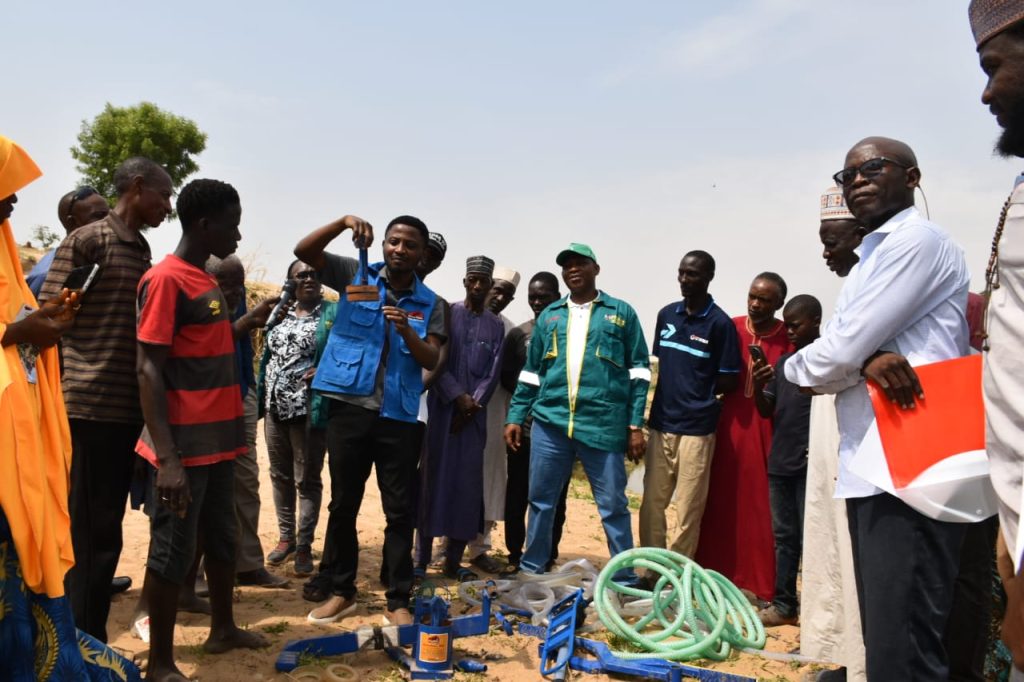
The programme also incorporates operator training, equipment maintenance, technical support and after-sales services designed to ensure farmers maximise the value of the machinery and maintain productivity over time.
Chijioke stressed that successful mechanisation goes beyond simply distributing tractors and equipment. He argued that long-term success depends on the availability of skilled operators, maintenance infrastructure, spare parts, financing options and technical support systems.
“Mechanisation is one of the most important drivers of productivity in modern agriculture. However, sustainable results can only be achieved when equipment deployment is supported by training, maintenance and effective service delivery systems,” he said.
He added that a comprehensive mechanisation framework would help farmers improve efficiency, expand cultivated land, reduce labour constraints and increase crop yields.
The company recalled that the government’s mechanisation programme was first highlighted during President Bola Tinubu’s Independence Day address in October 2024, when approval was announced for the establishment of local assembly facilities for tractors, combine harvesters, ploughs, ridgers and other agricultural equipment.
The initiative forms part of broader efforts to modernise Nigeria’s agricultural sector, increase domestic food production and improve food security outcomes.
Agcoms further stated that its role extends beyond equipment sales to include technical training, spare parts supply, maintenance services and farmer support programmes aimed at improving operational efficiency.
The company noted that through its partnerships and technical network, it remains committed to supporting efforts to strengthen agricultural productivity and promote the adoption of modern farming technologies across Nigeria.
Industry stakeholders believe that increased mechanisation could play a significant role in helping Nigeria overcome some of its biggest agricultural challenges, including low productivity, labour shortages, rising production costs and post-harvest losses.
As the country seeks to expand food production and reduce food inflation, experts continue to identify mechanisation as one of the key pillars required to transform agriculture from subsistence-based production into a commercially competitive sector.
Commodity.ng Insight / Digest
The growing focus on mechanisation reflects a broader recognition that Nigeria cannot achieve food security through manual farming alone.
Despite being one of Africa’s largest agricultural producers, Nigeria’s mechanisation rate remains among the lowest globally. Most smallholder farmers still rely heavily on manual labour and rudimentary tools, limiting productivity and restricting the scale of operations.
The proposed deployment of 2,000 tractors and 100 combine harvesters represents a positive step, but the country’s mechanisation gap remains substantial. With millions of farmers cultivating vast agricultural land, experts argue that Nigeria will require sustained investments in machinery, training, maintenance infrastructure and financing solutions to achieve meaningful transformation.
One notable aspect of the initiative is the emphasis on local assembly. If successfully implemented, local manufacturing and assembly could reduce equipment costs, create jobs, improve spare-parts availability and support the development of a domestic agricultural machinery industry.
What This Means for Commodity Markets
- Increased mechanisation could boost production of key crops such as maize, rice, soybean, cassava and wheat.
- Improved farm efficiency may lower production costs and increase profitability for farmers.
- Larger cultivated areas could translate into higher crop output and improved food availability.
- Better harvesting equipment may help reduce post-harvest losses, a major challenge across agricultural value chains.
- Stronger domestic production could support efforts to moderate food inflation and reduce import dependence.
Bottom Line
Mechanisation remains one of the most critical ingredients for transforming Nigerian agriculture. While equipment supply is important, long-term success will depend on training, financing, maintenance support and the development of local technical capacity. If properly executed, Nigeria’s mechanisation drive could significantly improve productivity, strengthen food security and unlock new opportunities across the agricultural economy.
Discover more from Commodity Nigeria
Subscribe to get the latest posts sent to your email.