Amaechi Calls for Greater Investment in Agriculture to Strengthen Nigeria’s Food Security
Former Minister of Transportation, Rotimi Amaechi, has called for increased investment in Nigeria’s agricultural sector, stressing that sustainable food security can only be achieved through deliberate support for farming, agribusiness and rural development.
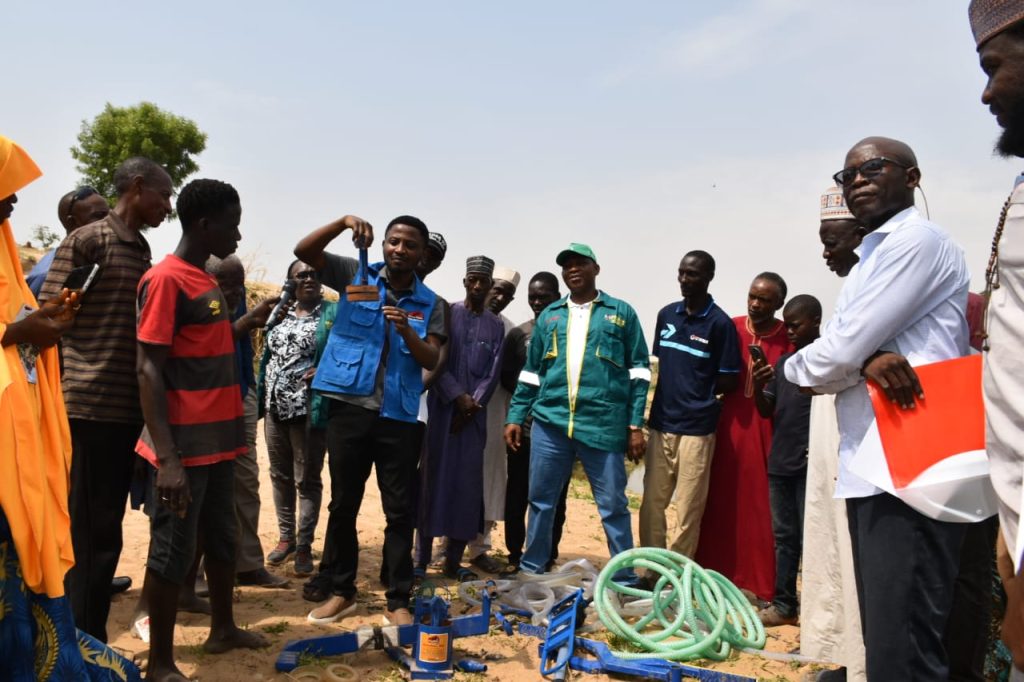
Amaechi made the call during a visit to the Maraba Gaate Settlement Farm Gate in Nasarawa State on Tuesday, where he underscored the need for Nigeria to prioritise agriculture as a strategic tool for economic growth, job creation and national stability.
According to him, agriculture remains one of Nigeria’s most strategic economic sectors and possesses enormous potential to create jobs, stimulate industrial growth and diversify the country’s economy beyond oil.
He urged both the public and private sectors to increase investments across the agricultural value chain, noting that strengthening farming would improve food production, reduce dependence on imported food and enhance the livelihoods of millions of Nigerians.
Mechanisation Key to Agricultural Transformation
Amaechi emphasised that Nigeria must move away from traditional, low-productivity farming methods and embrace modern agricultural technologies and mechanised farming systems capable of significantly increasing output.
According to him, transitioning from subsistence agriculture to commercial, technology-driven farming is essential for improving productivity, ensuring food security and building a more competitive agricultural sector.
“The focus on farming should be to enhance food production, reduce reliance on imports and create jobs,” he said.
He maintained that modern farming practices, including mechanisation and improved technologies, would enable farmers to produce more efficiently while reducing labour constraints and increasing profitability.
Agriculture Can Help Address Insecurity
Amaechi also linked agricultural development to Nigeria’s security challenges, arguing that expanding investment in farming could contribute significantly to reducing unemployment, poverty and insecurity.
“The best way to fight insecurity in the country is to invest in agriculture,” he stated.
He explained that creating more opportunities within the agricultural sector would provide productive employment for young people, stimulate rural economic activities and reduce the socio-economic conditions that often fuel insecurity.
He reiterated that modernising agriculture should form part of Nigeria’s broader economic and security strategy.
Commends Farm Project, Pledges Investment
During his visit to the Maraba Gaate Settlement Farm Gate, Amaechi expressed satisfaction with the progress recorded at the facility and commended those driving the initiative.
He encouraged greater commitment to similar agricultural projects across the country, describing them as practical examples of how investment can improve food production and create sustainable livelihoods.
The former minister also pledged to invest personally in agriculture, revealing plans to replicate initiatives similar to the Songhai Farms project established in Rivers State during his tenure as governor.
He noted that the Songhai model demonstrated the potential of integrated, technology-driven agriculture to create employment, enhance food production and stimulate rural development.
Investment Critical to Nigeria’s Food Future
Amaechi’s remarks come at a time when Nigeria continues to face rising food prices, insecurity in farming communities, climate-related production challenges and increasing pressure to strengthen domestic food production.
Agricultural experts have consistently advocated increased investment in mechanisation, irrigation, improved seed varieties, extension services, agro-processing, storage infrastructure and agricultural financing as essential components of a resilient food system.
Stakeholders also argue that improving transportation networks, rural roads, commodity markets and logistics infrastructure would reduce post-harvest losses, improve market access and increase farmer incomes.
Amaechi maintained that agriculture should remain a national development priority, stressing that a productive and modern agricultural sector would not only improve food security but also drive economic diversification, create employment opportunities and contribute to long-term national development.
Commodity.ng Insight
Amaechi’s comments reinforce a growing consensus among policymakers, agribusiness leaders and development experts that agriculture must move beyond subsistence farming if Nigeria is to achieve food security. While the country has abundant arable land and a large agricultural workforce, low levels of mechanisation and limited investment continue to constrain productivity.
His emphasis on mechanisation is particularly significant, as Nigeria’s mechanisation rate remains among the lowest globally, with many farmers still relying on manual labour. Expanding access to tractors, irrigation, precision farming technologies and modern equipment could dramatically increase yields while making farming more attractive to young people.
Why This Matters
- Mechanised farming can significantly increase productivity and reduce production costs.
- Greater investment in agriculture can create millions of jobs across farming, processing and logistics.
- Modern farming technologies will help reduce Nigeria’s dependence on food imports.
- Expanding commercial agriculture can strengthen rural economies and improve food availability.
- Agricultural development can also serve as a long-term strategy for addressing unemployment and insecurity.
Bottom Line
Sustainable food security requires more than increasing cultivated land—it demands strategic investment in modern farming systems, mechanisation, infrastructure and agribusiness. As Nigeria seeks to diversify its economy, agriculture remains one of the country’s strongest opportunities for creating jobs, reducing poverty and building long-term economic resilience.
Discover more from Commodity Nigeria
Subscribe to get the latest posts sent to your email.