
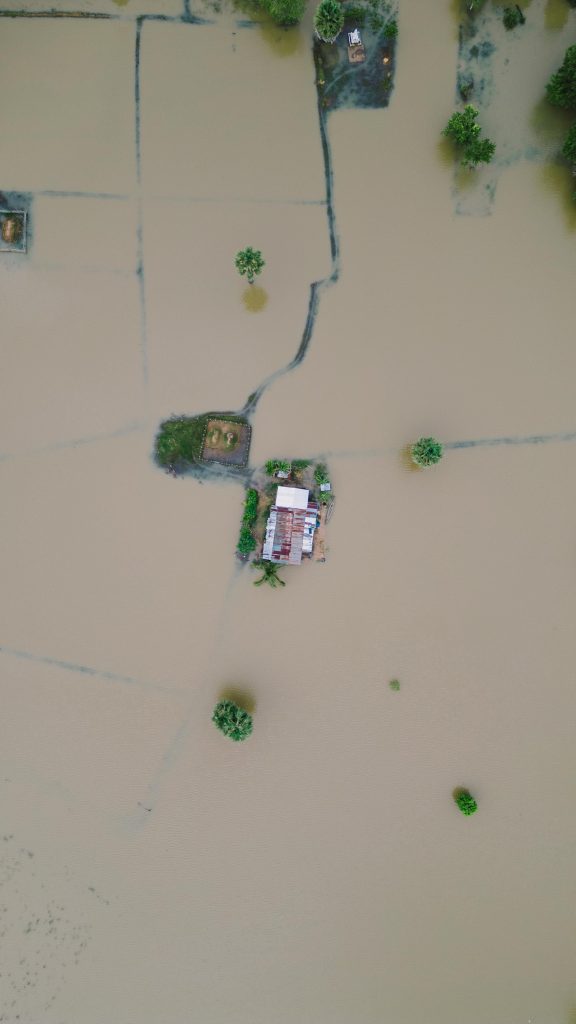
Lagos Flood: How Farmers Can Protect Their Crops and Livestock During the Rainy Season
The recent flooding triggered by days of heavy rainfall across several parts of Lagos has once again highlighted the growing threat extreme weather poses to agriculture in Nigeria. The floods submerged roads, disrupted businesses, displaced residents and brought economic activities to a standstill in many communities, underscoring the vulnerability of low-lying areas during the peak of the rainy season.
While Lagos is largely known as Nigeria’s commercial hub, the state also has a vibrant agricultural sector, particularly in areas such as Epe, Badagry, Ikorodu, Ibeju-Lekki and other peri-urban communities where thousands of farmers produce vegetables, poultry, fish, cassava, maize and fruits. Flooding in these areas can destroy months of hard work within a matter of hours.
Across Nigeria, flooding has become an increasingly frequent occurrence as climate change combines with poor drainage systems, blocked waterways and rapid urbanisation. Agriculture remains one of the sectors most exposed to these weather-related disasters, with farmers often suffering heavy losses in crops, livestock and farm infrastructure.
How Flooding Affects Farming
Floodwater can wash away newly planted crops, destroy mature fields ready for harvest and cause severe soil erosion that strips away fertile topsoil needed for future cultivation.
For crops such as maize, rice, vegetables, tomatoes and peppers, prolonged waterlogging reduces oxygen in the soil, causing root rot, stunted growth and eventual crop failure.
Floods also increase the spread of fungal diseases, bacterial infections and insect pests that thrive in wet conditions.
Livestock farmers face similar challenges.
Poultry houses can become flooded, exposing birds to diseases such as coccidiosis and fowl cholera. Dairy and beef cattle grazing on flooded pastures may suffer from foot rot, parasitic infections and contaminated drinking water.
Fish farmers are equally at risk as overflowing ponds may result in massive fish escape, water contamination and disease outbreaks.
Steps Farmers Should Take Before Heavy Rainfall
Preparation remains the best defense against flooding.
Farmers should regularly monitor weather forecasts and flood advisories during the rainy season to make informed decisions on planting, harvesting and livestock management.
Drainage channels around farms should be cleared frequently to allow rainwater flow freely.
Blocked drains caused by weeds, refuse or sediment significantly increase flooding risks.
Where possible, farmers should construct raised beds for vegetable production and plant on ridges to reduce waterlogging.
Those operating in flood-prone areas should avoid planting highly sensitive crops in low-lying sections of their farms.
Protecting Crops During Floods
Farmers can reduce flood damage by adopting several practical measures.
Mulching helps reduce soil erosion while improving water infiltration.
Cover crops also minimize runoff and help preserve soil structure.
Where irrigation canals exist, proper maintenance allows excess water to drain more efficiently.
For commercial farms, raised nurseries and elevated seedbeds provide additional protection for young seedlings.
Harvesting mature crops before forecasted heavy rainfall can also prevent significant losses.
Farmers cultivating fruits and vegetables should prioritize harvesting produce that is close to maturity whenever prolonged rainfall is predicted.
Protecting Livestock
Livestock should never be left in flood-prone pens during periods of intense rainfall.
Farmers are advised to construct elevated housing for poultry and small ruminants while ensuring adequate drainage around livestock facilities.
Feed should be stored above ground level in waterproof storage facilities to prevent contamination.
Clean drinking water must remain available throughout flooding periods because contaminated water increases the risk of disease outbreaks.
Livestock vaccinations and deworming programmes should also be maintained, as wet conditions often encourage the spread of infectious diseases.
Fish Farmers Must Take Extra Precautions
Fish farmers should reinforce pond embankments before peak rainfall begins.
Installing overflow outlets and protective nets around ponds helps reduce fish losses during heavy flooding.
Water quality should be monitored closely after floods because sudden changes in oxygen levels, pH and contamination can affect fish survival.
Protect Farm Equipment and Inputs
Floodwaters can damage expensive farm machinery, fertilisers, seeds and agrochemicals.
Farmers should store equipment in elevated structures whenever possible.
Seeds, fertilisers and pesticides should be kept in waterproof storage facilities to maintain their quality.
Important farm records, insurance documents and financial records should also be protected from water damage by storing digital copies or placing physical documents in waterproof containers.
Consider Agricultural Insurance
Climate-related disasters are becoming more frequent across Nigeria.
Agricultural insurance can help farmers recover financially after flood damage by covering losses to crops, livestock and farm infrastructure.
Although insurance uptake remains relatively low, experts continue to encourage farmers to explore available insurance products as part of broader risk management strategies.
Embrace Climate-Smart Agriculture
Long-term resilience requires farmers to adopt climate-smart farming practices.
These include improved drainage systems, flood-tolerant crop varieties, efficient water management, agroforestry, conservation agriculture and better land-use planning.
Technology is also playing an increasingly important role.
Satellite weather forecasts, mobile advisory services and digital farm management platforms now provide farmers with early warnings that can help minimise losses before disasters occur.
Commodity.ng Insight
The recent flooding in Lagos serves as another reminder that climate change is no longer a future threat—it is already reshaping agricultural production across Nigeria. Extreme weather events are becoming more frequent, making preparedness just as important as production.
For Nigerian farmers, protecting crops and livestock can no longer depend on experience alone. Investing in proper drainage, climate-smart farming practices, resilient infrastructure, weather monitoring and agricultural insurance will become increasingly essential for safeguarding livelihoods.
As Nigeria pursues greater food security, governments, development partners and the private sector must also strengthen early warning systems, improve rural drainage infrastructure and expand farmers’ access to climate adaptation technologies. Building a resilient agricultural sector will require not only increased production but also better preparedness for the growing risks posed by extreme weather.
Discover more from Commodity Nigeria
Subscribe to get the latest posts sent to your email.



As a Vietnamese player I really appreciate how smoothly this platform handles local payment methods. Transferring funds through ZaloPay and bank apps takes zero hassle and the UI switches to Vietnamese perfectly. I tried the live craps tables and the dealers were incredibly professional. Fast cashouts and zero hidden fees make this my top pick for evening sessions. vnbij88