
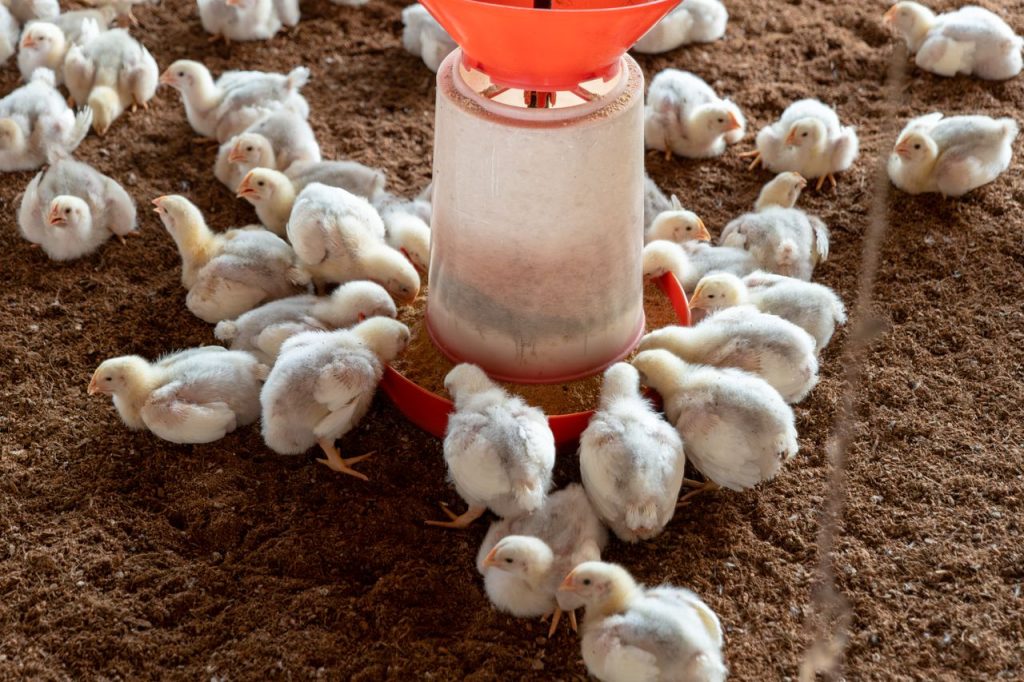
Cost-Effective Ways of Running a Poultry Farm in Nigeria
Poultry farming remains one of the most profitable agribusinesses in Nigeria, providing a reliable source of income, employment, and high-quality animal protein for millions of households. Whether raising broilers for meat production or layers for egg production, poultry offers attractive returns when managed efficiently and professionally.
However, rising feed prices, disease outbreaks, inflation, unstable energy costs, and fluctuating market prices have significantly increased the cost of production. For many poultry farmers, profitability now depends not on how much they spend, but on how wisely they manage their resources.
Running a successful poultry enterprise today requires careful planning, efficient management, proper record-keeping, and the adoption of modern technologies that reduce waste while improving productivity.
Start with a Realistic Business Plan
Every profitable poultry farm begins with a well-thought-out business plan. Many farmers make the mistake of investing heavily in expensive poultry houses and equipment before understanding the market, production costs, and expected returns.
Starting with a manageable flock allows new farmers to gain practical experience while reducing financial risks. As profits grow, expansion becomes easier and more sustainable.
A comprehensive business plan should clearly outline:
- Production objectives
- Capital requirements
- Operating expenses
- Marketing strategy
- Risk management plans
- Expected cash flow and profits
Planning helps farmers avoid unnecessary expenses and make informed financial decisions.
Build Functional, Not Expensive, Housing
A good poultry house does not have to be luxurious.
The primary purpose of poultry housing is to provide:
- Adequate ventilation
- Protection from predators
- Proper drainage
- Comfortable temperature
- Sufficient space for birds
Farmers can significantly reduce construction costs by using durable locally available materials without compromising bird welfare.
Maintaining the recommended stocking density is equally important. Overcrowding increases stress, disease transmission, poor feed conversion, and reduced egg production.
Reduce Feed Costs Through Smart Feeding
Feed represents approximately 60–70 percent of poultry production costs, making it the single largest expense on any poultry farm.
Farmers can reduce feeding costs by:
- Purchasing feed ingredients during harvest seasons when prices are lower
- Buying in bulk through cooperatives
- Properly storing feed to prevent spoilage
- Formulating balanced feeds under the guidance of poultry nutrition experts
- Using high-quality ingredients
Large-scale poultry farms may benefit from establishing small feed mills to formulate their own feed using maize, soybean meal, groundnut cake, fish meal, wheat offal, and vitamin premixes.
However, poorly formulated feed often causes slower growth and poor egg production, making professional guidance essential.
Prevent Feed Wastage
Reducing feed wastage can significantly improve profitability.
Simple practices include:
- Properly adjusting feeder height
- Avoiding overfilling feeders
- Cleaning feeders regularly
- Preventing rodents and wild birds from contaminating feed
Every kilogram of wasted feed directly reduces farm profits.
Providing clean drinking water at all times also improves feed conversion efficiency, allowing birds to gain weight faster while consuming less feed.
Buy Healthy Chicks
The quality of day-old chicks determines the success of the entire production cycle.
Healthy chicks:
- Grow faster
- Have lower mortality
- Require fewer medications
- Produce better meat or eggs
Although quality chicks may cost slightly more, they are far more economical over the long term than cheaper birds with poor genetics or health problems.
Always buy chicks from reputable hatcheries with proven vaccination programmes.
Prioritise Disease Prevention
Preventing diseases is far cheaper than treating outbreaks.
Strong biosecurity measures should include:
- Restricting visitor access
- Disinfecting equipment regularly
- Footbaths at poultry house entrances
- Regular cleaning
- Proper litter management
- Isolation of sick birds
- Strict vaccination schedules
Disease outbreaks can wipe out an entire flock within days, making prevention one of the most cost-effective investments any poultry farmer can make.
Train Workers Properly
Human error accounts for many avoidable farm losses.
Workers should understand:
- Bird handling
- Feeding schedules
- Cleaning procedures
- Disease identification
- Record keeping
- Egg collection
- Mortality management
Well-trained staff improve productivity while reducing unnecessary losses.
Invest in Simple Automation
Automation does not necessarily mean spending millions.
Affordable technologies such as:
- Nipple drinkers
- Automatic feeders
- Egg collection systems
- Temperature sensors
- Water storage systems
can reduce labour costs while improving production efficiency.
As farms grow larger, automation becomes increasingly valuable.
Cut Energy Costs
Electricity remains one of the biggest operational challenges for poultry farmers in Nigeria.
Solar-powered systems are becoming an increasingly attractive solution for:
- Lighting
- Water pumps
- Ventilation fans
- Security systems
Although the initial investment may appear high, solar energy significantly reduces fuel and electricity costs over the long term.
Keep Accurate Farm Records
Many poultry farmers lose money simply because they do not know where their money is going.
Every successful poultry farm should maintain records covering:
- Feed purchases
- Feed consumption
- Vaccinations
- Medication
- Mortality
- Egg production
- Labour costs
- Utility bills
- Daily sales
- Customer information
- Profit and loss
Good records help farmers identify inefficiencies, control costs, forecast cash flow, and make better business decisions.
Without proper bookkeeping, managing a poultry farm becomes largely guesswork.
Secure Buyers Before Production Ends
Marketing should begin before birds are ready for sale.
Waiting until harvest often forces farmers to sell at unfavourable prices.
Potential buyers include:
- Supermarkets
- Hotels
- Restaurants
- Bakeries
- Wholesalers
- Retailers
- Schools
- Hospitals
- Food processors
Long-term supply agreements and contract farming arrangements provide greater income stability.
Diversify Farm Income
Successful poultry farms generate income beyond meat and eggs.
Additional revenue sources include:
- Poultry manure for organic fertiliser
- Compost production
- Sale of spent layers
- Sale of empty feed bags
- Sale of feathers for industrial use
- Poultry consultancy
- Hatchery services
These additional income streams improve overall farm profitability.
Embrace Digital Agriculture
Technology is helping poultry farmers become more efficient.
Today, farmers can use mobile applications to:
- Monitor disease outbreaks
- Access vaccination schedules
- Learn feed formulation
- Receive weather forecasts
- Monitor market prices
- Keep digital farm records
- Advertise products online
Social media and digital marketplaces also allow farmers to sell directly to consumers, reducing dependence on middlemen and improving profit margins.
Join Cooperatives and Poultry Associations
Membership of poultry associations offers numerous benefits.
Farmers can:
- Buy feed ingredients in bulk
- Access government interventions
- Receive extension services
- Attend training programmes
- Obtain affordable financing
- Share technical knowledge
- Strengthen bargaining power
Working collectively often reduces operating costs and opens up new business opportunities.
Continue Learning
The poultry industry continues to evolve rapidly.
Farmers who invest in continuous education remain more competitive.
They should regularly:
- Attend agricultural exhibitions
- Participate in poultry workshops
- Learn modern management practices
- Follow veterinary updates
- Adopt climate-smart farming methods
- Network with successful poultry producers
Knowledge remains one of the most valuable investments in agriculture.
Conclusion
Successful poultry farming is not determined by how much money is invested but by how efficiently resources are managed.
Careful planning, proper housing, smart feed management, disease prevention, accurate record-keeping, energy efficiency, modern technology, and strong marketing strategies are the pillars of a profitable poultry enterprise.
As Nigeria’s population continues to grow and demand for eggs and poultry meat increases, farmers who embrace cost-effective management practices will be better positioned to reduce production costs, maximise profits, withstand economic shocks, and build sustainable businesses.
In today’s competitive agricultural environment, every naira saved through efficient management is a naira added to profit. Cost-conscious poultry farmers who continuously improve their operations will not only achieve long-term business success but will also contribute significantly to Nigeria’s food security, employment generation, and economic growth.
Discover more from Commodity Nigeria
Subscribe to get the latest posts sent to your email.