
Uzbekistan’s Strong Wheat Harvest Highlights Progress Toward Climate-Resilient Agriculture
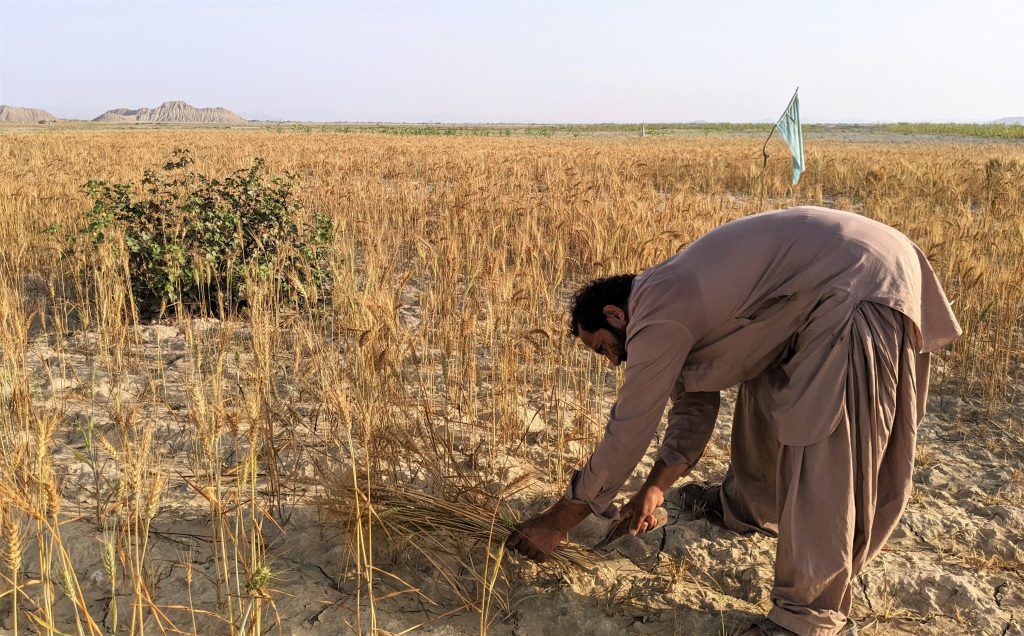
Uzbekistan has recorded a remarkable improvement in its 2026 wheat harvest, demonstrating how sustained investment in climate-smart agriculture, modern farming technologies and improved crop management can significantly increase food production and strengthen national food security.
The country achieved an average wheat yield of 9.57 tonnes per hectare, representing an increase of approximately 1.1 to 1.5 tonnes per hectare compared to the previous season. The milestone reflects years of agricultural reforms aimed at modernising production systems, improving farmer productivity and building resilience against the growing impacts of climate change.
According to agricultural stakeholders, the improved harvest was driven by the widespread adoption of high-yielding wheat varieties, quality seed systems, improved land preparation, efficient irrigation infrastructure, water-saving technologies and better agronomic practices.
The Food and Agriculture Organization (FAO) has played a key role in supporting Uzbekistan’s agricultural transformation by partnering with the government to promote climate-smart farming practices, integrated pest management, sustainable land and water management, digital agriculture and improved resource efficiency.
These interventions have helped farmers produce more food while conserving water, protecting soil health and reducing the environmental impact of agricultural production.
Strengthening Regional Food Security
Uzbekistan’s success also underscores the strategic importance of wheat production across Central Asia, where the crop remains a staple food and a critical pillar of regional food security.
To further strengthen the sector, the FAO has launched the Central Asia Breadbasket Initiative, a regional programme designed to improve the entire wheat value chain—from seed development and farm production to storage, transportation, processing and market access.
The initiative promotes improved seed systems, modern mechanisation, efficient irrigation, post-harvest management, better logistics, stronger market information systems and enhanced regional cooperation among Central Asian countries.
It also encourages greater investment in agricultural innovation, climate adaptation and sustainable natural resource management to help farmers respond to challenges such as water scarcity, land degradation, climate variability and market volatility.
A Model for Climate-Smart Agriculture
Uzbekistan’s record wheat harvest demonstrates how long-term planning, supportive government policies, scientific research and international collaboration can transform agricultural productivity.
The country’s experience highlights the value of combining improved technologies with farmer education, efficient water management and sustainable production practices to build more resilient food systems capable of withstanding climate-related shocks.
As global agriculture faces increasing pressure from changing weather patterns, rising input costs and growing food demand, Uzbekistan’s approach provides a practical example of how climate-smart agriculture can enhance productivity while protecting natural resources.
Commodity.ng Insight
Uzbekistan’s achievement offers valuable lessons for Nigeria and other African countries seeking to improve food security. Higher agricultural productivity is rarely the result of a single intervention; rather, it comes from coordinated investments in improved seeds, irrigation, mechanisation, farmer training, digital agriculture, research, extension services and climate-smart farming practices.
For Nigeria, where wheat production remains below national demand, adopting similar integrated approaches could help reduce dependence on imports, improve yields, strengthen resilience to climate change and increase farmer incomes. Building sustainable agricultural systems that combine innovation, efficient resource management and strong public-private partnerships will be essential to securing long-term food security and transforming agriculture into a more competitive and resilient sector.
Discover more from Commodity Nigeria
Subscribe to get the latest posts sent to your email.


After getting burned by a few platforms I decided to test this one and the experience has been refreshing. The welcome package actually matches the advertised terms and I got free spins working right away. Payouts go out without any unnecessary paperwork and the support chat is available around the clock. It feels like a place that truly respects its players. rmexbetcasino