Ostrich Farming in Nigeria: A Practical Guide to Breeding, Housing, Feeding, Cost, Profit and Market
Ostrich farming is one of the less common but potentially interesting livestock businesses in Nigeria. Unlike conventional poultry farming, which is dominated by chickens, turkeys and ducks, ostrich farming operates in a specialised market with opportunities in meat, leather, feathers, eggs and breeding stock.
The ostrich is the world’s largest living bird. It is native to Africa and is capable of adapting to different environments when provided with appropriate housing, nutrition and management. Its size, distinctive products and commercial potential make it an interesting option for agricultural entrepreneurs seeking opportunities beyond conventional livestock production.
However, ostrich farming is not a business to enter without proper preparation. It requires substantial space, specialised knowledge, suitable breeding stock and access to customers willing to purchase its products. For Nigerian investors, the most important question is not simply whether ostriches can survive in the country, but whether the entire business can operate profitably.
Understanding Ostrich Farming
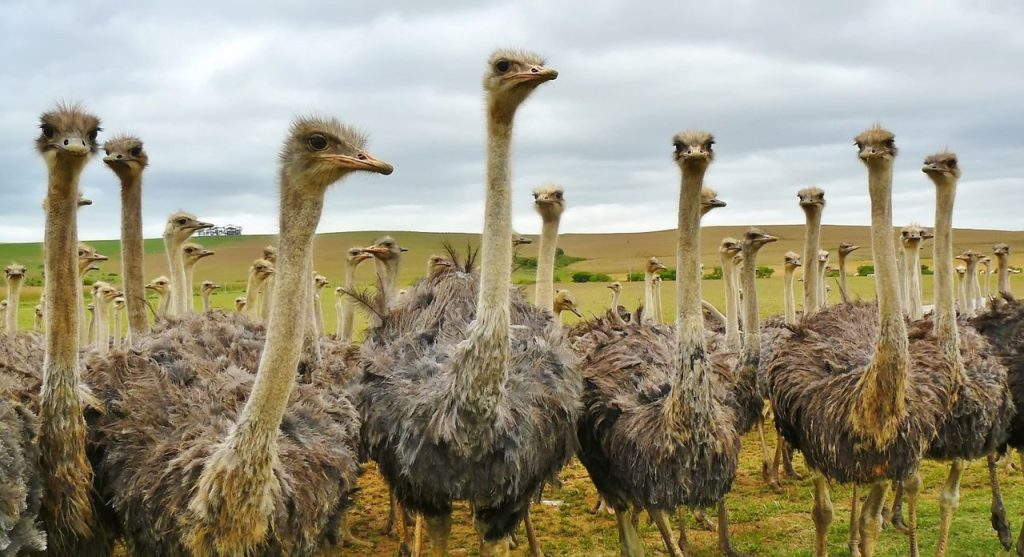
Ostrich farming involves raising ostriches (Struthio camelus) under controlled conditions for commercial purposes. Unlike chickens, ostriches are large, flightless birds that require considerably more land and stronger fencing.
The business offers several potential income streams.
Ostrich meat: Ostrich meat is a red meat that is relatively lean and can appeal to consumers seeking alternatives to conventional beef and other meats. Restaurants, hotels, specialist meat retailers and health-conscious consumers may represent potential customer groups.
Ostrich leather: Ostrich skin is valued in the leather industry, particularly for premium fashion accessories, footwear and other leather products. However, commercial leather production requires appropriate processing facilities and established buyers.
Feathers: Ostrich feathers have decorative and commercial applications, including fashion, costumes and certain cleaning products.
Eggs and breeding stock: Ostrich eggs can be sold for hatching, breeding or decorative purposes, subject to the applicable market and food-safety requirements. Healthy young birds and established breeding pairs can also provide revenue for farms supplying other investors.
A commercial farm should identify its primary source of income before purchasing birds. Producing meat, selling breeding stock and supplying leather processors require different facilities, expertise and marketing arrangements.
Housing and Land Requirements
Housing is one of the most important considerations in ostrich farming. These birds are large, powerful and active. They need adequate space to walk, run and exercise, making small backyard poultry structures unsuitable for commercial production.
A suitable ostrich farm should have spacious paddocks, secure fencing, well-drained ground, access to clean water and sheltered areas for protection against extreme weather. The farm should also be located away from excessive noise and disturbances.
Fencing must be strong enough to contain the birds and protect them from predators and unauthorised access. Sharp edges, exposed wires and poorly designed gates can cause injuries. Farmers should avoid fencing arrangements that create unnecessary risks when birds move around the enclosure.
Breeding birds require separate, carefully managed paddocks, while chicks need protected areas where they can be monitored and kept away from larger birds. Feeders and drinkers should be positioned to allow easy access without creating competition or overcrowding.
There are three broad production systems:
- Extensive production: Birds are raised in larger outdoor areas with relatively lower stocking density.
- Semi-intensive production: Birds have access to outdoor paddocks but receive more controlled feeding and management.
- Intensive production: Birds are managed under more controlled conditions with greater dependence on prepared feed, housing and routine supervision.
The most suitable system depends on available land, capital, feed costs, climate and the farmer’s technical capacity. The Food and Agriculture Organization’s review of ostrich production systems provides useful information on these approaches.
For Nigerian farmers, land selection should also consider access roads, water supply, security, electricity and proximity to potential markets.
Feeding and Nutrition
Feeding is a major operating expense in ostrich farming. Although ostriches naturally consume a mixture of vegetation, seeds and other food materials, farmed birds require carefully balanced nutrition to support growth, reproduction and general health.
A suitable feeding programme may include grasses, forage, legumes and formulated commercial or farm-mixed feed. Ingredients such as maize, soybean meal, wheat bran and suitable mineral supplements may be incorporated into rations, depending on the nutritional requirements of the birds.
Young chicks, growing birds and breeding adults have different nutritional needs. Chicks require particular attention because inadequate nutrition during early development can affect growth and survival. Breeding birds also need appropriate energy, protein, vitamins and minerals to support reproductive performance.
Farmers should not assume that feeding ostriches ordinary chicken feed will meet all their requirements. A ration should be formulated with the assistance of an animal nutritionist or livestock specialist familiar with ostrich production.
Clean water must be available at all times. Feed should be stored in dry conditions and protected from mould, rodents and contamination. Farmers should also provide appropriate grit and mineral sources where recommended by their nutrition adviser.
A major lesson from research on ostrich management in northern Nigeria is the importance of improving feeding and housing practices. A study covering farms in Kano, Kaduna and Plateau States identified shortcomings in stocking density, feeding practices and the provision of suitable facilities.
Source: Ostrich Management Practices in Three States of Northern Nigeria.
Breeding and Reproduction
Ostrich breeding requires patience and careful selection. Unlike chickens, which can begin laying eggs within a few months, ostriches take considerably longer to reach reproductive maturity.
Females commonly reach sexual maturity at approximately two years of age, while males may mature around two to three years. Actual maturity depends on breed, nutrition, health and management.
A breeding programme should begin with healthy birds obtained from reputable farms. Farmers should examine their physical condition, age, breeding history and general health before purchasing them.
Ostriches are generally managed in pairs or small breeding groups. A common arrangement involves one male with two or three females, although the appropriate grouping depends on the birds, available space and the farm’s breeding strategy.
Female ostriches lay eggs during their breeding season. The number of eggs produced varies considerably with age, genetics, nutrition, environmental conditions and management.
Ostrich eggs are large and require careful handling. They are normally incubated for approximately 41–43 days under suitable conditions. Farmers may use natural incubation or artificial incubation in properly equipped machines.
Artificial incubation requires close monitoring of temperature, humidity, ventilation, egg turning and hygiene. Poor incubation management can result in embryo loss, weak chicks and low hatchability.
After hatching, chicks require suitable brooding conditions, balanced feed, clean water and close supervision. Young ostriches are vulnerable to poor nutrition, infections, unsuitable flooring and environmental stress.
For beginners, purchasing healthy young birds from established breeders may be more practical than immediately investing in an expensive breeding and incubation operation. Once the farm develops sufficient experience, breeding can become an additional source of revenue.
Health Management and Biosecurity
Ostriches require proper veterinary supervision, just like other farmed livestock. Their size does not make them immune to disease, parasites, nutritional deficiencies or injuries.
A good health-management programme should include routine observation, clean housing, appropriate feeding, parasite control and veterinary assessment when necessary.
Farmers should inspect birds regularly for changes in appetite, movement, droppings, body condition and general behaviour. Any bird showing signs of illness should be assessed promptly.
Newly purchased birds should be kept separate from existing stock for an appropriate observation period. The farm should also restrict unnecessary visitors, disinfect equipment where appropriate and maintain separate areas for different age groups.
Young birds require particular attention because they can be affected by nutritional problems and infections during early development. Farmers should establish a relationship with a veterinarian who understands ostrich management rather than relying entirely on advice designed for conventional poultry.
Good record-keeping is equally important. Information about mortality, treatment, breeding performance, egg production and feed consumption helps farmers identify problems and assess the overall performance of the operation.
How Much Does It Cost to Start Ostrich Farming in Nigeria?
Ostrich farming generally requires more initial capital than small-scale poultry enterprises because of the cost of acquiring birds, securing suitable land, constructing strong fencing and providing specialised facilities.
The actual investment depends on the number of birds, their age and quality, land availability, housing design and whether the farmer intends to focus on breeding, meat production or multiple products.
A startup budget should cover:
- Acquisition of healthy ostriches from reputable and legally authorised sources.
- Land purchase or lease, where necessary.
- Construction of secure paddocks and fencing.
- Shelters, feeding equipment and watering facilities.
- Feed, forage and mineral supplements.
- Veterinary care and biosecurity materials.
- Brooding and incubation equipment, if breeding is planned.
- Labour, transportation, electricity and water.
- Working capital for unexpected expenses and the period before commercial sales begin.
Farmers should also budget for professional training and technical advice. Ostrich farming is specialised, and mistakes in housing, breeding or nutrition can be expensive.
Before investing, obtain quotations from established breeders and equipment suppliers. Confirm the birds’ age, health, source and breeding history. Also verify any applicable wildlife, animal-health, movement and environmental requirements with the relevant authorities before acquiring or transporting birds.
A sensible approach is to begin with a properly designed pilot operation rather than purchasing a large number of birds without first understanding the production cycle and market.
Is Ostrich Farming Profitable in Nigeria?
Ostrich farming has several potential revenue streams, but profitability depends on whether a farmer can develop a reliable value chain around the birds.
The commercial value of an ostrich is not limited to its meat. Its skin, feathers, eggs and breeding potential can contribute to total revenue. However, these products do not automatically have ready buyers in every Nigerian market.
One of the biggest challenges is the relatively limited development of the domestic ostrich industry compared with conventional poultry and livestock production.
A Nigerian study published in Veterinary World examined ostrich farms in Kano, Kaduna and Plateau States. It found that commercial ostrich production existed in the locations studied, but also identified weaknesses in housing, stocking density and feeding practices. This demonstrates that the business has an established presence in Nigeria, while also highlighting the need for better production management.
A more recent Nigerian development reported in June 2026 was the exploration of commercial ostrich and crocodile farming by Ayobo-Ipaja Local Council Development Area in Lagos State. The initiative included stakeholder engagement on investment requirements, training, funding and regulatory considerations. This reflects growing interest in alternative livestock enterprises, although interest alone does not establish commercial profitability.
Source: Business Post Nigeria – Ayobo-Ipaja LCDA Explores Commercial Ostrich Farming.
Understanding the Profitability Equation
Consider a hypothetical farm that raises ostriches for meat and breeding stock. Its potential revenue may come from selling mature birds, young birds, fertile eggs and other commercially usable products.
However, the farmer must account for the long period required to raise breeding birds, the cost of maintaining adult stock, chick mortality, feed expenses, labour, veterinary services, processing and transportation.
Unlike broiler farming, where production and sales can occur within a relatively short period, ostrich farming requires a longer investment horizon. This means that cash-flow planning is particularly important.
The business should therefore be assessed using indicators such as:
- Cost of acquiring each bird.
- Feed cost per bird and per production cycle.
- Survival rate of chicks.
- Age and weight at sale.
- Number of eggs produced and successfully hatched.
- Revenue from meat, leather, feathers and breeding stock.
- Processing and transportation expenses.
- Profit per bird and return on total investment.
Farmers should not base an investment decision on advertised selling prices or claims of unusually high returns. They should first establish the actual prices buyers are willing to pay and whether suitable processing and distribution facilities are available.
Marketing Ostrich Products in Nigeria
Marketing is arguably one of the most important aspects of ostrich farming in Nigeria. Unlike chicken and turkey, ostrich meat is not yet a regular product in most Nigerian markets. This creates an opportunity for entrepreneurs willing to develop the market, but it also introduces commercial uncertainty.
Potential customers for ostrich meat include specialist restaurants, hotels, premium food retailers, meat distributors and consumers interested in alternative protein sources.
Ostrich leather may attract fashion designers, leather processors and manufacturers of premium accessories. However, selling leather requires access to proper slaughtering, skinning, preservation and processing facilities.
Feathers and eggs may also serve specialised markets, although demand, handling requirements and regulatory considerations should be established before production.
Farmers can explore partnerships with restaurants, food distributors, leather businesses and other agricultural entrepreneurs. They may also use digital marketing to educate potential customers about ostrich products and identify buyers.
The most important strategy is to develop the market before expanding production. A farmer who has confirmed buyers, agreed specifications and dependable distribution arrangements is in a stronger position than one who produces first and searches for customers afterwards.
Major Challenges in Ostrich Farming
Despite its potential, ostrich farming comes with considerable challenges.
High initial investment: Suitable land, fencing, breeding stock and specialised equipment require substantial capital.
Limited technical expertise: Ostrich production requires specialised knowledge of nutrition, breeding, incubation, chick management and veterinary care.
Market development: Many Nigerian consumers are more familiar with conventional poultry and red meat. Creating demand for ostrich products requires education, product availability and dependable distribution.
Feed and operating costs: Maintaining large birds can be expensive, especially when feed ingredients and transportation costs rise.
Long production cycle: Breeding maturity and the time required to raise birds for commercial purposes can delay returns.
Processing infrastructure: Meat and leather production require suitable processing facilities and compliance with relevant standards. Without these facilities, farmers may struggle to capture the full value of the birds.
These challenges make proper feasibility studies essential. Ostrich farming should be treated as a specialised agribusiness investment rather than an ordinary poultry project.
Frequently Asked Questions About Ostrich Farming
Can ostriches survive in Nigeria?
Yes. Ostriches are native to Africa, and research has documented their farming in Nigerian states including Kano, Kaduna and Plateau. However, successful production requires suitable land, housing, nutrition and veterinary management.
How long does it take an ostrich to mature?
Females generally reach sexual maturity at around two years, while males may take approximately two to three years. Growth and maturity depend on genetics, feeding and management.
How many eggs does an ostrich lay?
Egg production varies significantly depending on the bird’s age, breed, nutrition, health and environmental conditions. Farmers should obtain realistic production estimates from experienced breeders before making financial projections.
How long does it take ostrich eggs to hatch?
Ostrich eggs generally require approximately 41–43 days of incubation under suitable conditions.
Can ostriches be raised on a small piece of land?
Ostriches require considerably more space than conventional poultry. A small backyard or ordinary poultry pen is generally unsuitable for commercial production. Farmers should consult experienced specialists when planning paddock size and stocking density.
What products can be obtained from ostriches?
The major commercial products include meat, leather, feathers, eggs and breeding stock. The economic value of each product depends on quality, processing facilities and market demand.
Is ostrich farming better than poultry farming?
Not necessarily. Conventional poultry has a much more established market and generally allows faster production cycles. Ostrich farming offers specialised opportunities but requires more space, technical expertise and patience. The appropriate investment depends on the farmer’s capital, experience and access to buyers.
Commodity.ng Insight: The Importance of Building a Market Before Production
Ostrich farming illustrates an important principle in modern agriculture: production capacity does not automatically translate into profitability.
A farmer may have healthy birds, suitable land and good breeding facilities but still struggle financially if there are no dependable buyers for the products. This is particularly important for specialised livestock enterprises whose markets are not yet fully developed.
Commodity.ng promotes agricultural market intelligence, price discovery and digital trading infrastructure to help farmers, traders, processors and investors make better-informed decisions.
For ostrich farmers, useful market information includes demand for ostrich meat, prices offered by specialist buyers, availability of leather processors, breeding-stock prices, feed costs and the cost of transporting products to market.
Such information can help investors determine where to establish farms, which products to prioritise and whether the expected returns justify the capital required.
The future of ostrich farming in Nigeria will depend not only on raising the birds successfully but also on developing the supporting value chain. This includes breeding expertise, veterinary services, processing facilities, product distribution, consumer awareness and access to reliable market information.
For investors willing to approach the business with proper research, patience and a clear commercial strategy, ostrich farming presents an opportunity to explore a specialised segment of Nigeria’s livestock industry. The priority, however, should always be to establish a viable market before committing substantial capital.
Discover more from Commodity Nigeria
Subscribe to get the latest posts sent to your email.